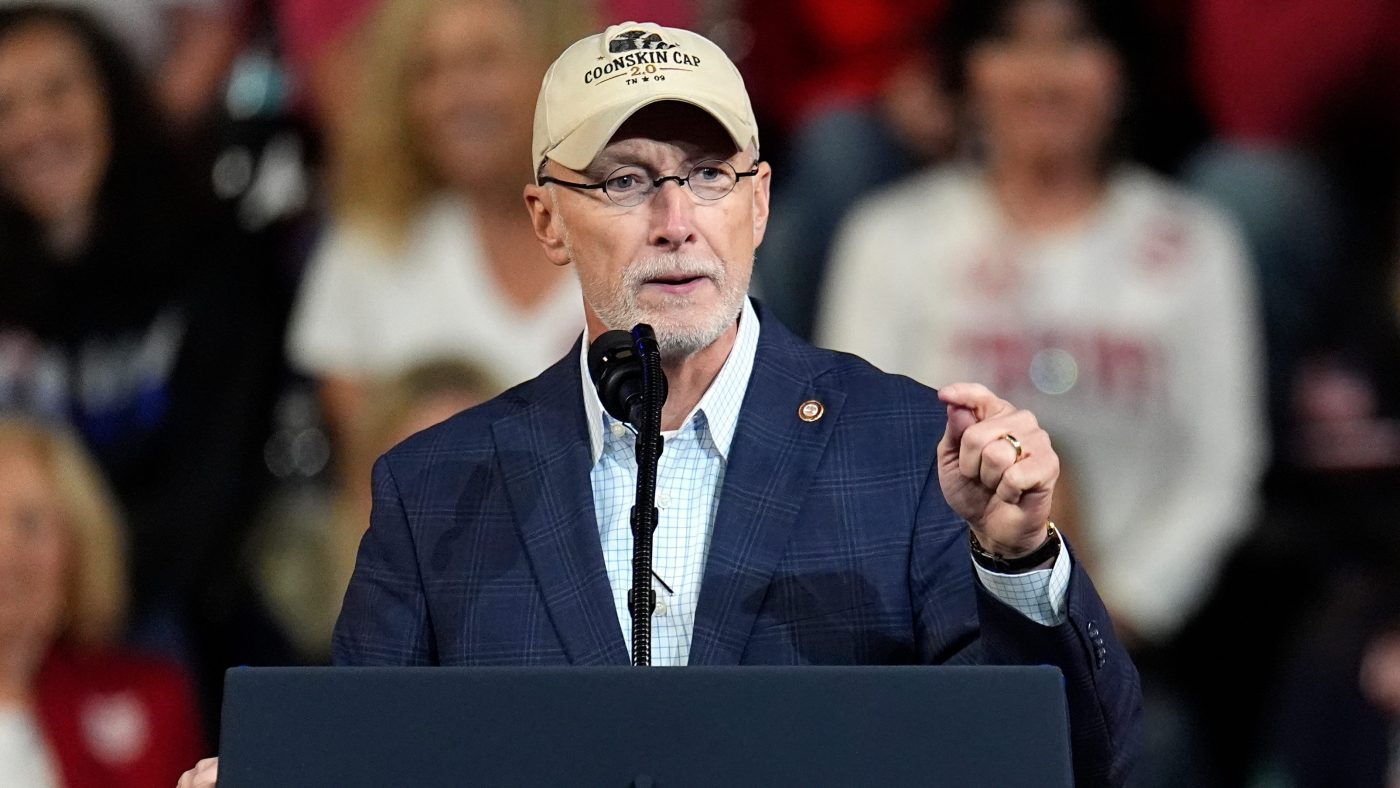
Democrat Matt Little is projected to win Minnesota's 2nd Congressional District, according to Decision Desk HQ (DDHQ), defeating Republican state Sen. Eric Pratt in the race to succeed retiring Rep. Angie Craig (D-Minn.).
With 69 percent of the vote counted as of 11:05 p.m. EST Tuesday, Little led Pratt 59.8 percent to 40.2 percent, a margin that underscores the district's recent leftward shift. The seat became open when Craig opted to run for the U.S. Senate, a bid that ended in a Democratic primary loss to Lt. Gov. Peggy Flanagan.
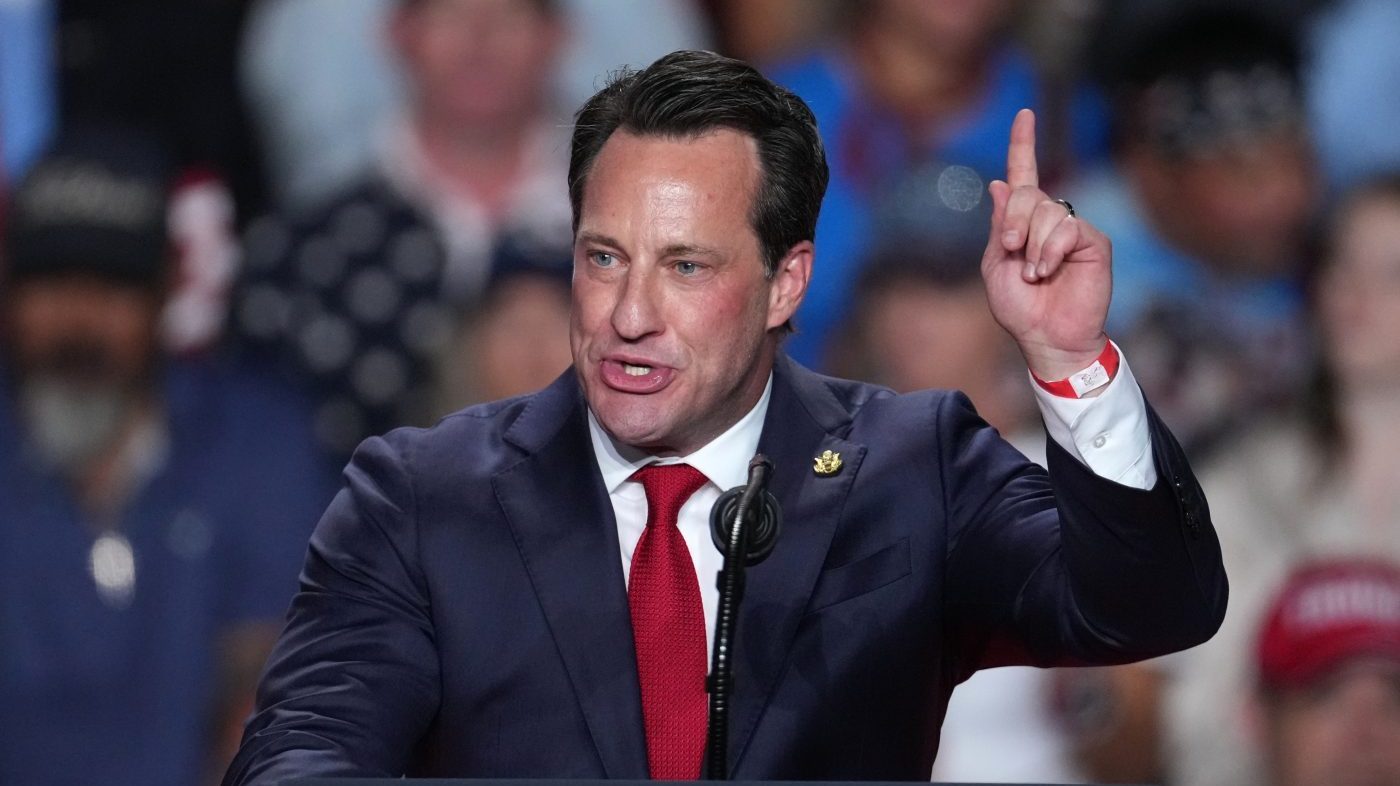
Little, a former state senator and Lakeville mayor, ran on a progressive platform that included support for "Medicare for All," changes to federal immigration enforcement, and a moratorium on new data centers. He also criticized President Trump's handling of the Iran conflict, arguing the U.S. should withdraw from the war.
DDHQ's pre-election forecast gave Little a 96 percent chance of winning, compared with Pratt's 4 percent, but the Republican sought to cast himself as an independent voice who could work across party lines. Pratt, a four-term state senator, emphasized lowering healthcare costs, cutting government waste, and leaving decisions about data center development to local officials.
The two former legislative colleagues clashed during an October debate over healthcare policy, Trump's foreign policy moves, and their respective records in the Minnesota Legislature. Little's victory continues a trend in the 2nd District, which has moved steadily toward Democrats in recent cycles despite GOP attempts to appeal to suburban voters in the North Star State.
Little's win adds to a broader Democratic wave on Tuesday, as the party also seized control of the U.S. Senate, blunting Trump's legislative agenda. In other races, Democrats flipped Republican-held seats, including California's 48th District and Arizona's 6th District, boosting the party's House hopes.
Little's campaign focused on local issues as well, arguing that his experience as mayor and state senator made him best equipped to represent the district's mix of suburbs and rural areas. He pledged to work on infrastructure, education, and economic development, while also taking a firm stance against federal overreach in immigration and energy policy.
Pratt, meanwhile, had hoped to capitalize on dissatisfaction with Democratic leadership in Washington, but the district's changing demographics and Little's strong ground game proved decisive. The result is a blow to Republicans, who had targeted the seat as a potential pickup opportunity in their effort to chip away at the Democratic majority.
Little's victory also sets the stage for a new generation of Democratic leadership in Minnesota, as the party looks to build on its gains in the new Senate majority and beyond.