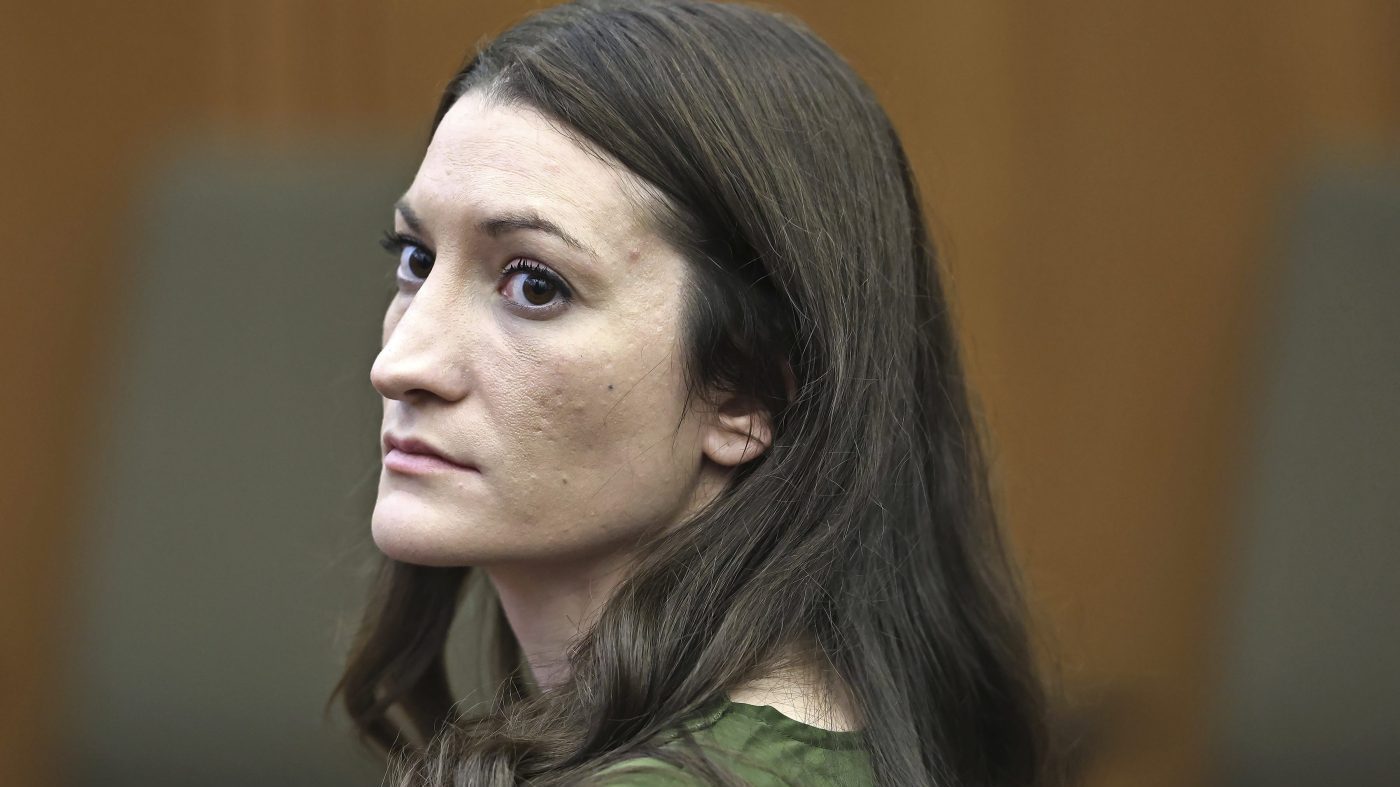
DEDHAM, Mass. — Lindsay Clancy, the Massachusetts mother accused of killing her three young children, will stand trial again beginning March 29, 2027, a judge ruled Monday in Norfolk Superior Court.
Judge William Sullivan set the new date during a brief hearing, over a year after a jury deadlocked in September, prompting him to declare a mistrial. Clancy, 36, appeared in court but did not speak.

The Plymouth County District Attorney's Office has not specified which charges Clancy will face in the retrial. One prosecutor indicated the case would be presented to a jury, but it remains unclear whether the state will pursue the same charges or a lesser count. Clancy's defense attorney, Kevin Reddington, said the scheduling "all but confirms they intend to retry first-degree murder."
Last week, Sullivan rejected a defense motion to dismiss the charges. Clancy's lawyers argued that the judge should have removed a single holdout juror who favored conviction and allowed deliberations to continue, rather than declaring a mistrial when the panel could not reach a unanimous verdict. Sullivan disagreed, stating he had no alternative but to declare a mistrial.
The case has drawn intense attention in Massachusetts and beyond, raising complex questions about mental health, criminal responsibility, and the legal standards for postpartum psychosis. Clancy does not dispute that she strangled her three children with exercise bands in January 2023 at the family's Duxbury home. Her defense contends she was suffering from postpartum psychosis and could not control her actions.
Prosecutors allege the killings were deliberate. The victims were 5-year-old Cora, 3-year-old Dawson, and 7-month-old Callan. Cora and Dawson were pronounced dead at a hospital; Callan died days later after being hospitalized.
After the killings, Clancy jumped from a second-story window in an apparent suicide attempt. She survived but sustained a severe spinal cord injury and is paralyzed from the waist down.
The retrial is expected to hinge on dueling expert testimony about Clancy's mental state at the time of the deaths. Her defense is likely to argue she was experiencing a severe psychiatric episode, while the prosecution may contend she was aware of her actions. The outcome could set a precedent for how Massachusetts courts handle postpartum psychosis in criminal cases.
Legal observers note that the lengthy delay until 2027 will give both sides time to prepare and potentially seek new evidence or expert witnesses. The case has also sparked broader debates about maternal mental health and the availability of treatment, with some advocates pointing to the need for systemic reforms. In the meantime, Clancy remains in custody.
As the retrial approaches, the case will continue to be closely watched by legal experts and the public alike. For now, the families involved are left to await another chapter in a tragedy that has already spanned years.