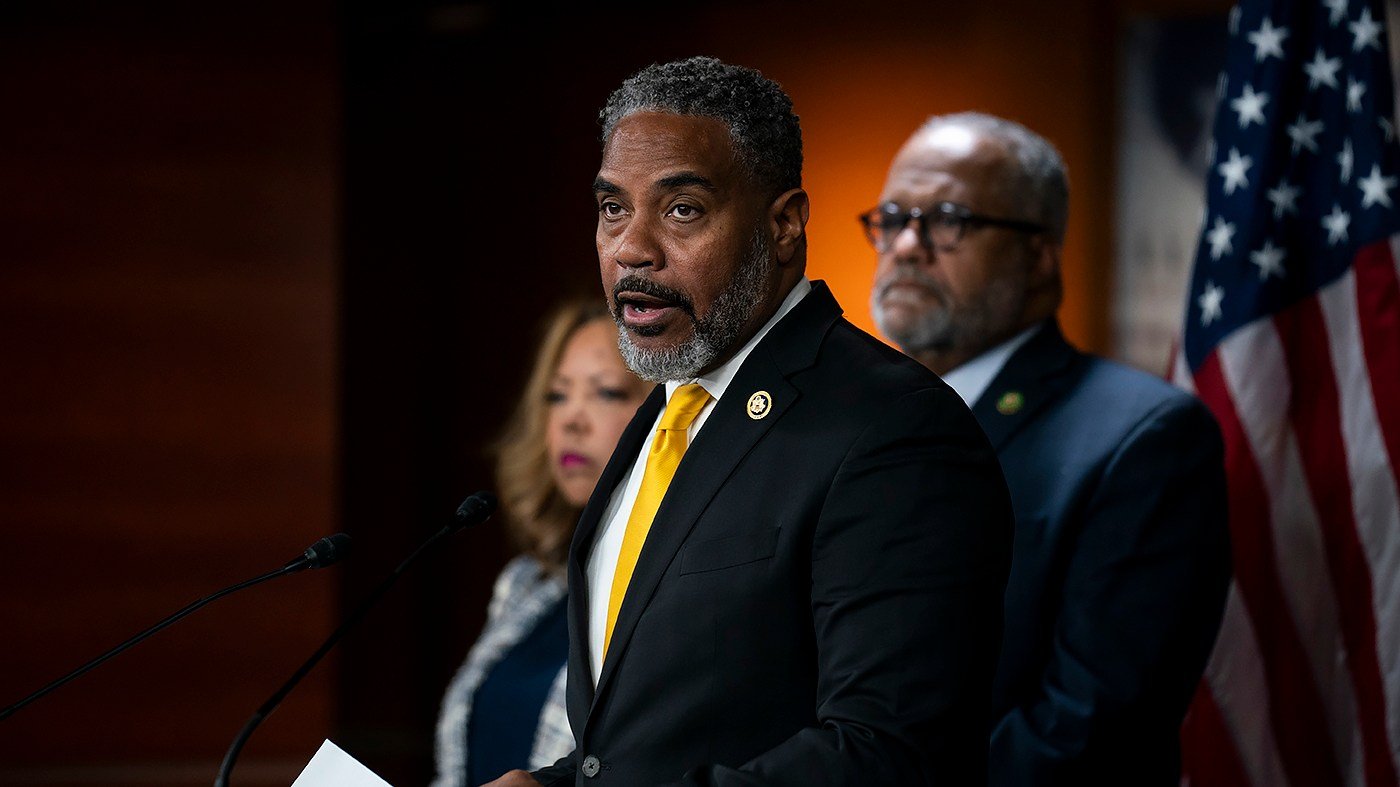
A bipartisan coalition of 119 lawmakers, led by Rep. Steven Horsford (D-Nev.) and Sen. Elizabeth Warren (D-Mass.), is challenging Google's proposed $10 million acquisition of Spirit Airlines' internal data for artificial intelligence training, warning that the deal could jeopardize the privacy of thousands of current and former employees.
In a letter to Google CEO Sundar Pichai and Spirit CEO Dave Davis, the lawmakers expressed alarm that the sale would involve roughly 100 million emails, 500 million Microsoft Teams messages, employee records, timecard and payroll data, tax information, and employment contracts. They described the arrangement as "uncharted territory" and argued that standard de-identification practices may be insufficient to shield personal details in the era of advanced AI.

"We are concerned that conventional de-identification safeguards may not be sufficient to protect employee privacy in the context of modern artificial intelligence," the lawmakers wrote, pointing to a National Institute of Standards and Technology report indicating that de-identified data can sometimes be re-identified using AI tools.
Google pushed back, with a spokesperson telling The Hill that the company is "not looking to buy any personal information from Spirit" and that any data would be either excluded or de-identified by an independent third party before reaching Google. A source familiar with the matter added that Google has no interest in obtaining personal information and is already cooperating with an appointed privacy ombudsman.
Horsford underscored the stakes in a press release Thursday: "Innovation cannot come at the expense of workers' privacy, and no employee data should move until real, enforceable safeguards are in place."
The lawmakers are asking the two companies to adopt six specific measures, including minimizing the inclusion of employee information, creating a de-identification protocol that affected employees accept, and ensuring robust protection of sensitive data once it is de-identified.
The letter reflects mounting anxiety on Capitol Hill over how major tech firms are developing and deploying AI. Last week, leadership from Google, OpenAI, SpaceXAI, and Anthropic were invited to the White House, where they signed a voluntary pledge to self-regulate AI development. Pichai later wrote on social media that Google is "focused on building the right way, with appropriate testing, evaluations, red-teaming, and other safeguards against misuse and misalignment."
Separately, Google has faced internal dissent over a deal with the Pentagon to supply its AI models for "any lawful governmental purpose," a Pentagon official told The Hill in April. Some employees objected, arguing that their work on the technology carries a responsibility to prevent unethical applications.
The Spirit data controversy also intersects with broader debates over privacy and corporate power. Lawmakers have recently pushed to rein in executive authority and have pressured other institutions on accountability, as seen in demands for answers from the AAU. The outcome of this dispute could set a precedent for how companies handle sensitive data in AI training, with implications for workers across industries.