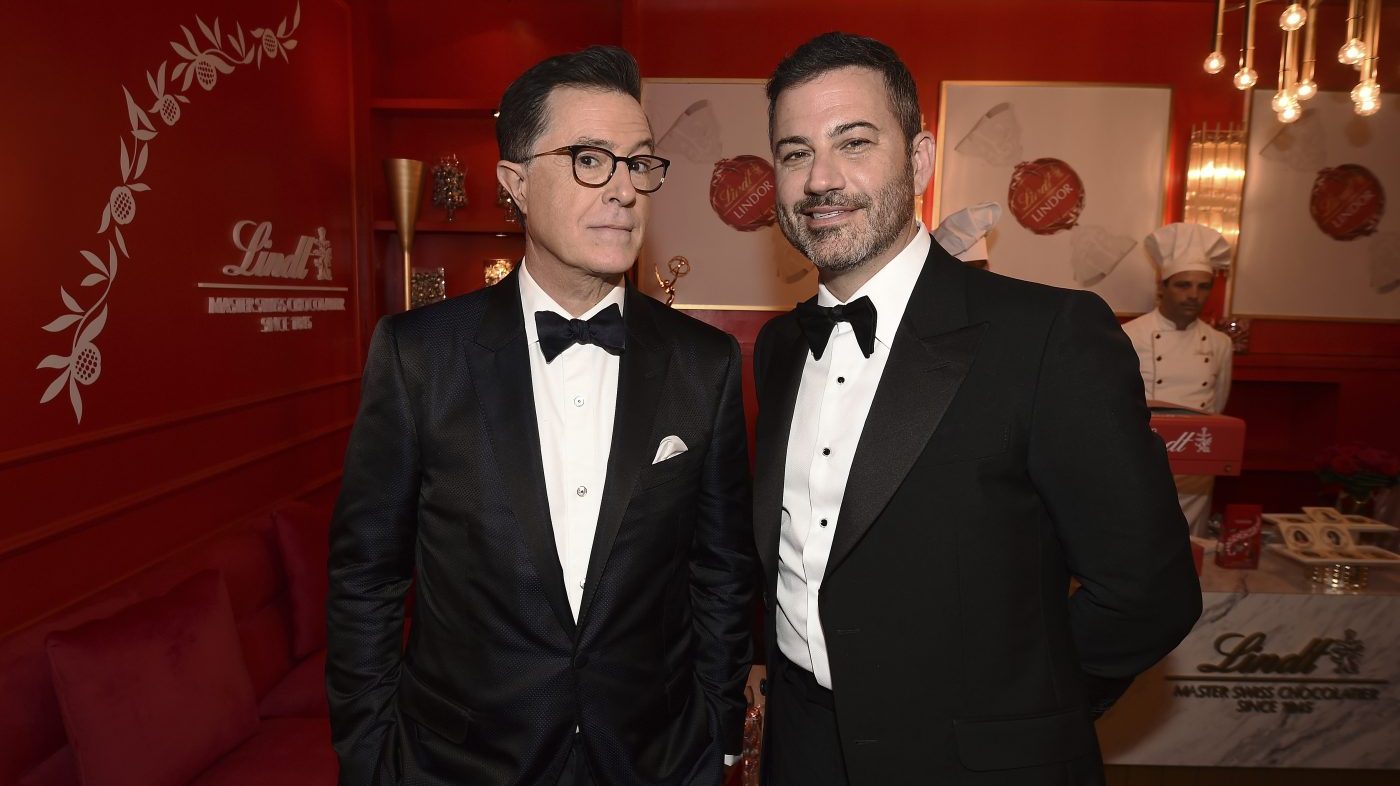
Jimmy Kimmel, the ABC late-night host, is voicing alarm over the cancellation of Stephen Colbert's CBS program, a move he believes could foreshadow a broader crackdown on outspoken hosts in the current political climate. In a profile released Monday by Vulture, Kimmel described the decision as a troubling sign for his own career.
“I feel a little bit defeated by it,” Kimmel said. “In a lot of ways, I feel like I’m looking at my own future.”
CBS announced last year it would end “The Late Show with Stephen Colbert” and the entire late-night franchise, citing financial strain. The show aired its finale on May 21. The network insisted the move was purely economic, stating, “This is purely a financial decision against a challenging backdrop in late-night. It is not related in any way to the show’s performance, content or other matters happening at Paramount.”
Kimmel challenged that explanation, noting that CBS had reportedly offered Colbert a five-year contract before pulling the plug. “Why would the network offer him a five-year deal in the first place if the show were hemorrhaging money?” he asked. “Am I to believe that over the course of those two years, they suddenly started losing $40 million a year? These are just made-up numbers.”
The cancellation came shortly after Paramount Global, CBS's parent company, agreed to settle a $16 million lawsuit filed by President Donald Trump over a “60 Minutes” interview with former Vice President Kamala Harris. The settlement coincided with a multibillion-dollar merger between Paramount and Skydance, a firm led by billionaires Larry and David Ellison, which required approval from the Federal Communications Commission. Colbert called the settlement a “big, fat bribe,” a sentiment echoed by hundreds of Hollywood figures, including actors Bryan Cranston, Glenn Close, and Ben Stiller, who signed an open letter opposing the merger.
Kimmel has a long-running feud with Trump, dating back to the then-candidate's 2015 appearance on his ABC show. The host remains wary that the president could pressure ABC over his program. Last year, ABC extended Kimmel's contract for just one year instead of the usual three, and negotiations for a new deal—normally underway by now—have not started. “I don’t know what ABC is going to want to do,” Kimmel told Vulture. “It’s an unusual position to be in, but I do still have a year left on my contract, and that’s what I agreed to.”
The uncertainty comes after Kimmel's show was temporarily pulled from the air last year following comments he made about the death of conservative activist Charlie Kirk. Trump celebrated that move and has repeatedly called for the show's removal. The broader context includes recent political developments, such as Trump hailing Colbert's exit as the 'beginning of the end' for late-night hosts, and Colbert's own farewell, which focused on humor rather than partisan attacks.
Kimmel's comments underscore a growing anxiety among late-night comedians about the sustainability of political satire in an era of corporate consolidation and political retaliation. As the landscape shifts, the future of the genre remains uncertain.