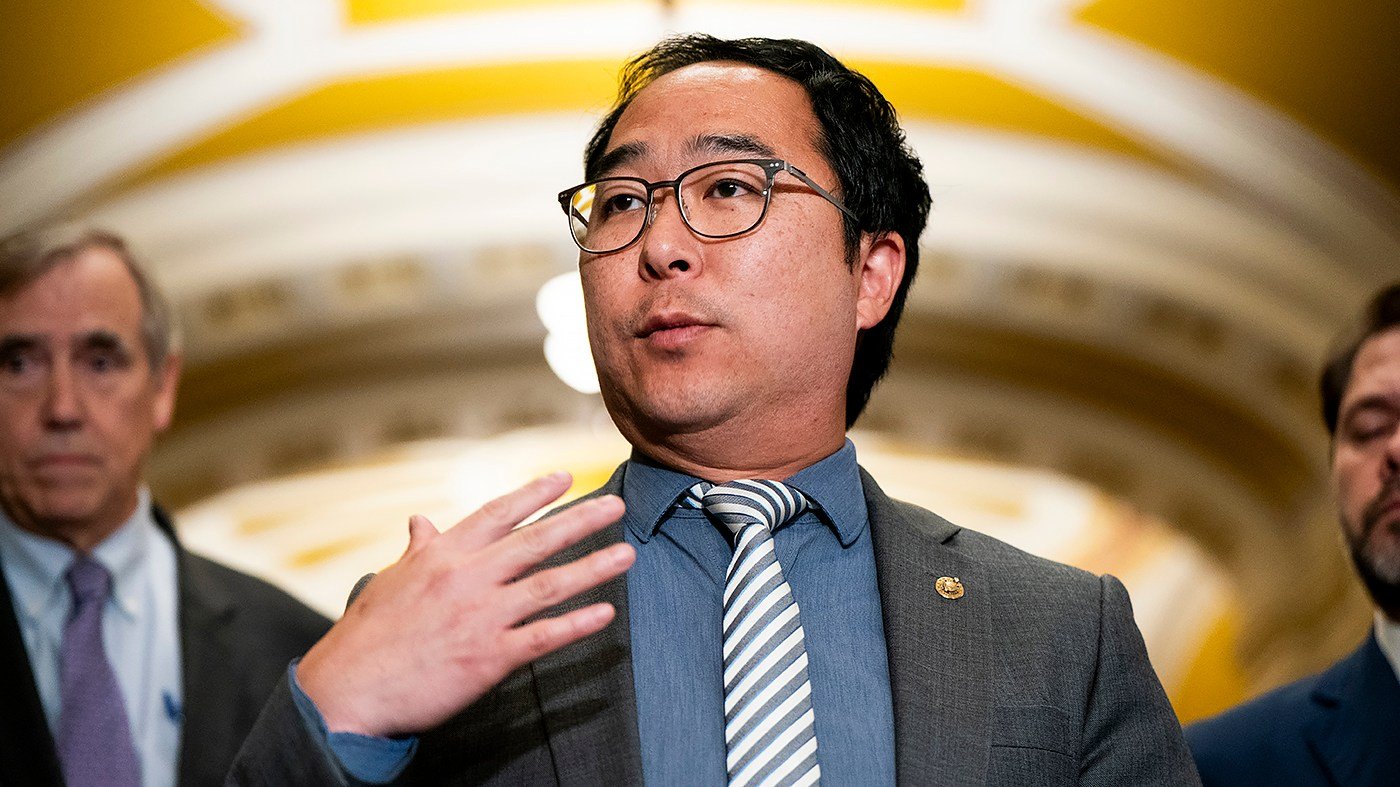
Sen. Andy Kim (D-N.J.) on Thursday unveiled legislation designed to eliminate the waiting periods that currently delay access to Social Security Disability Insurance (SSDI) and Medicare benefits for disabled Americans. The measure, titled the Stop the Wait Act, would phase out the five-month waiting period for SSDI benefits over the next five years and eliminate the 24-month wait for Medicare coverage for those on disability.
Kim's office pointed to a Government Accountability Office report showing that more than 100,000 people died between fiscal years 2008 and 2019 while awaiting a final ruling on their SSDI claims. That figure represents about 1.2% of all applicants who filed an appeal after an initial denial.

“It is horrifying that any American should be forced to endure months or even years of waiting for benefits they worked hard to earn,” Kim said in a statement. “Care cannot be put on hold. Congress needs to step up for our disability community and end these harmful waiting periods once and for all.”
The New Jersey Democrat's proposal follows a similar bill introduced last February by Rep. Lloyd Doggett (D-Texas), which has not advanced beyond the House Ways and Means Committee.
SSDI provides financial support to individuals who cannot work due to a medical condition expected to last at least one year or result in death. According to a 2024 Social Security Administration report, musculoskeletal and connective tissue diseases are the most common conditions among beneficiaries, accounting for roughly 65% of claims.
Kim's office noted that Congress has already acted to waive waiting periods in specific cases, such as for people diagnosed with amyotrophic lateral sclerosis (ALS). The new bill would extend similar relief to all disability applicants.
The legislation has drawn support from major health and disability advocacy groups, including the Federation of American Hospitals, the American Association of People with Disabilities, the Alzheimer's Association, Pandemic Patients, and the National Alliance on Mental Illness.
Supporters argue that the current system forces vulnerable individuals to navigate a complex and often lengthy process without the financial or medical support they need. The bill's backers see it as a necessary step toward a more responsive safety net.
Kim's move comes as lawmakers on both sides of the aisle have shown interest in reforming disability benefits, though the path forward remains uncertain. The bill is expected to be referred to the Senate Finance Committee, where it will face scrutiny over its cost and implementation.