Health Secretary Robert F. Kennedy Jr. has personally intervened to keep an American woman exposed to hantavirus in federal quarantine in Nebraska, overruling a medical review from the Centers for Disease Control and Prevention that said she could safely finish her isolation at home.
Angela Perryman, 47, was one of 18 passengers flown back from a cruise ship that experienced a hantavirus outbreak in April. She has been held at the National Quarantine Unit in Omaha since May 11. A CDC medical reviewer, Dr. Michael Bell, recommended in a June 11 document that her quarantine order be lifted so she could return to Florida for the remainder of the 42-day period under minimal supervision. But Kennedy signed an updated order Monday keeping her confined.
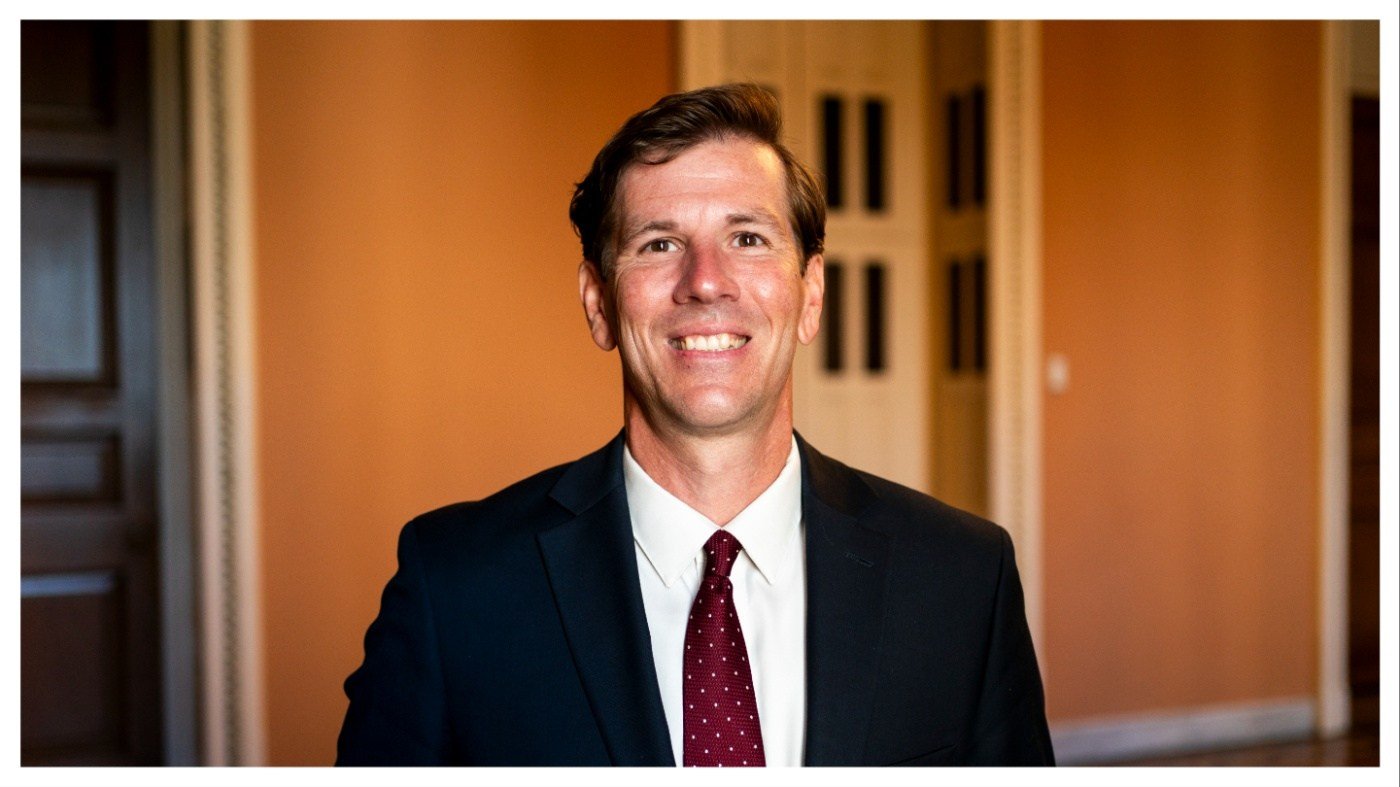
Perryman told The Hill she felt betrayed, learning of Kennedy’s decision only when a copy was slipped under her door. She said officials had originally promised passengers they could leave federal quarantine by the end of May and finish their 42-day watch at home. “I viewed public health the way you’re supposed to, that they’re working with you to keep everyone safe,” she said. “It was stressful to stay there even during the voluntary period, but I felt like I could do this if it might make the community safer.”
The decision highlights a striking contradiction in the Trump administration’s posture on health freedom. Kennedy and other officials have been vocal critics of COVID-era restrictions imposed under President Biden, but here they have imposed a more restrictive measure than the CDC itself deemed necessary. Meanwhile, 19 other Americans who disembarked the ship before the outbreak was known were allowed to quarantine at home without being forced into a facility.
Bell’s review concluded that home quarantine with remote monitoring would be sufficient to protect public health. “The intent of the order can be effectively and less restrictively met with home quarantine combined with direct or remote monitoring,” he wrote. He noted that the risk of transmission decreases over time and that several other exposed individuals had already been allowed to return home.
Perryman’s return was contingent on Florida’s health department agreeing to monitor her daily and provide 24-hour backup if she developed symptoms. According to federal officials, Florida was the only state that refused those conditions. HHS spokeswoman Courtney Spencer said Kennedy “specifically considered the medical recommendation before deciding to continue the current order,” adding that without proper state monitoring, the quarantine was necessary for both Perryman’s and the community’s safety.
Perryman said she now considers herself a detainee. She has had no symptoms since leaving the ship. The Andes virus, which causes hantavirus pulmonary syndrome, has a 40 percent case fatality rate and an incubation period of up to 42 days. Bell acknowledged she could still develop symptoms but said the likelihood is “progressively decreasing.”
The episode comes as broader debates over public health authority and federal overreach continue to roil American politics. A recent poll found a majority of Americans fear AI will cost them their jobs, reflecting a public anxious about rapid change and government responsiveness. Meanwhile, a federal judge has ordered the Trump administration to restore removed national park displays, another flashpoint in the ongoing clash between executive action and judicial oversight.
Perryman’s case is likely to fuel criticism that the administration’s health policies are inconsistent and arbitrary. For now, she remains in Omaha, under twice-daily temperature checks and reliant on staff for meals, while her home state refuses to take responsibility for monitoring her.