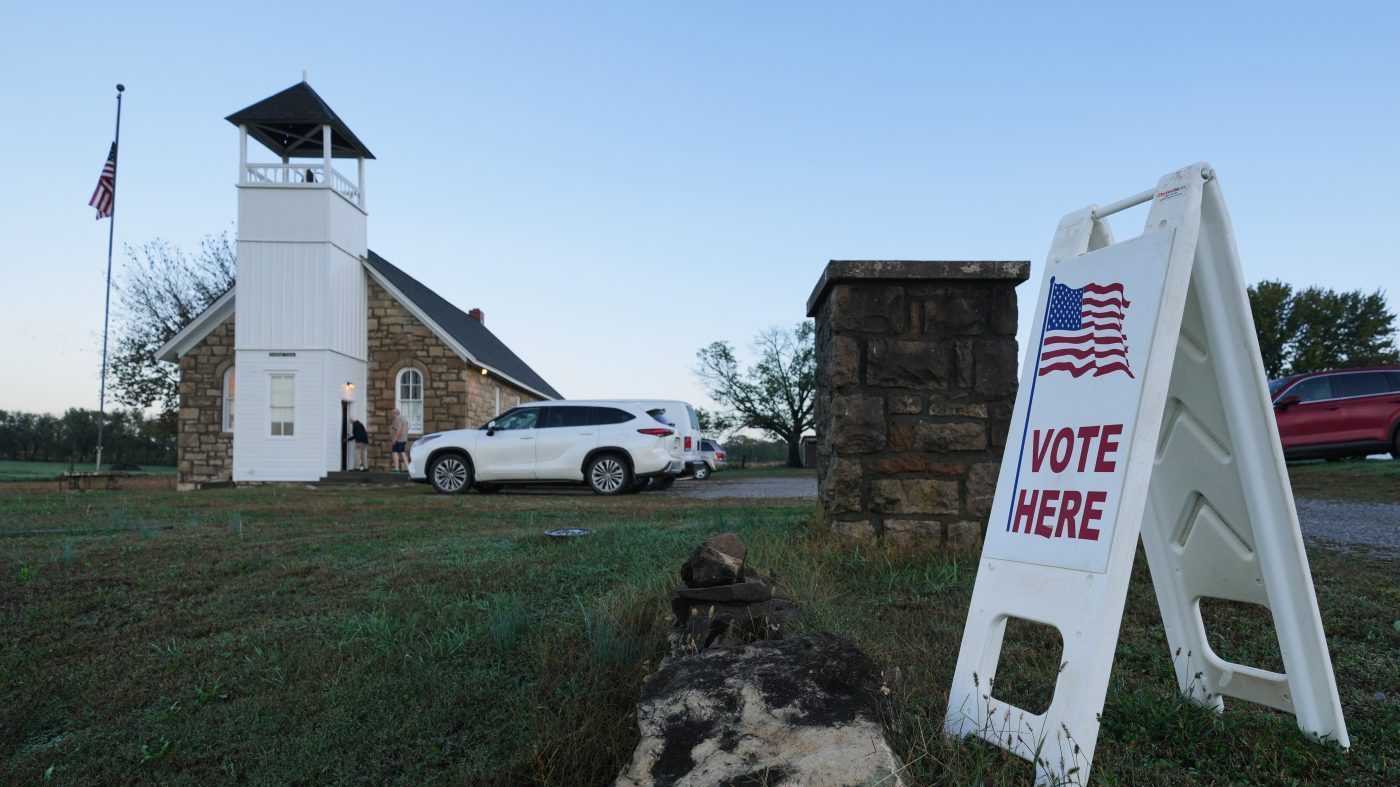
Kansas voters have approved a constitutional amendment that explicitly states only U.S. citizens are eligible to vote in the state, according to projections from Decision Desk HQ. The measure, which passed by a margin of nearly 25 percentage points with 90% of votes counted late Tuesday night, modifies the Kansas Constitution's language on voter qualifications.
The amendment changes the wording from "Every citizen of the United States" who is at least 18 and resides in the voting area to "No person shall be deemed a qualified elector unless such person" is a U.S. citizen, meets the age requirement, and lives in the jurisdiction. While the change is largely symbolic—Kansas law already makes it a crime for noncitizens to vote—supporters argue it makes the citizenship requirement unmistakable and less susceptible to legal challenges.
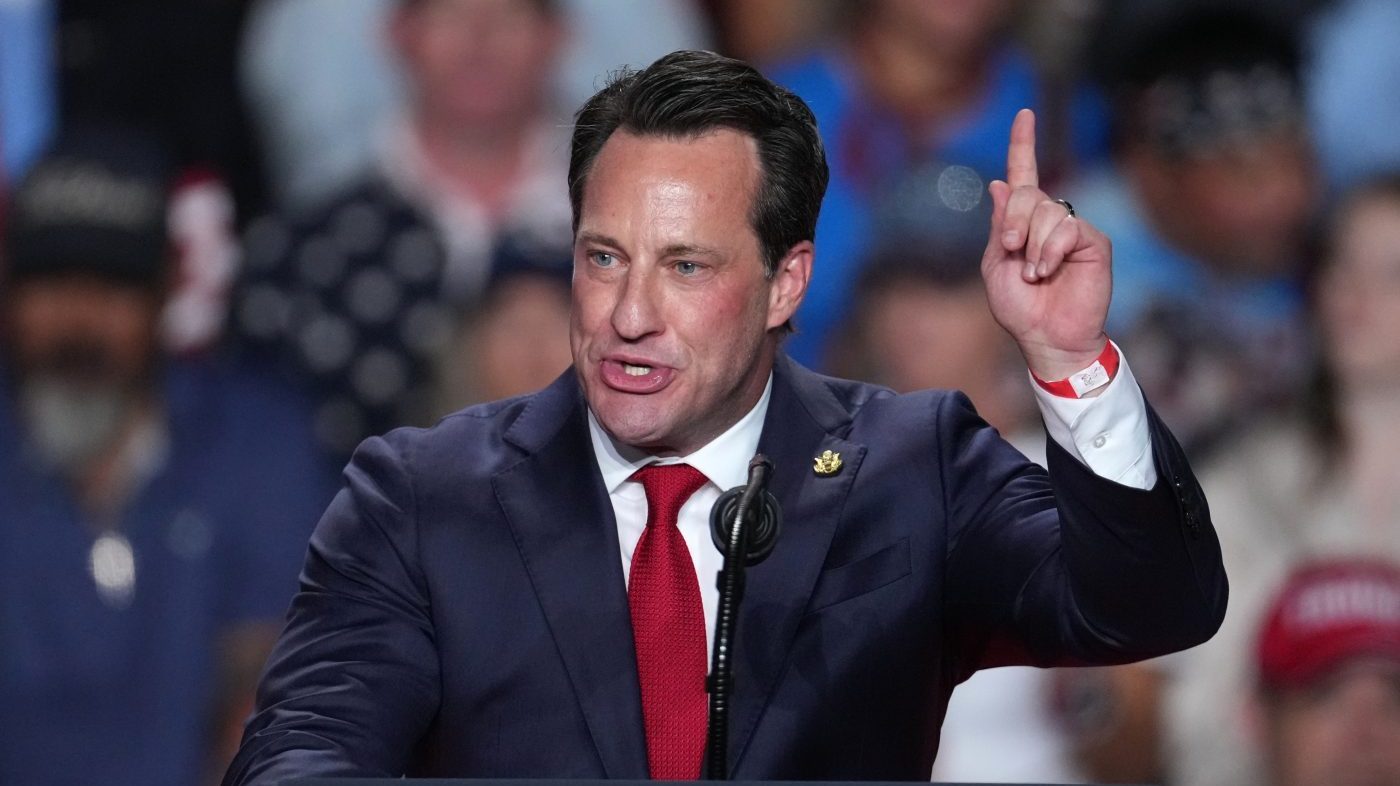
The approval comes as Republicans across the country have pushed for stricter voting rules, often citing unsubstantiated claims of widespread voter fraud. President Trump has repeatedly urged GOP lawmakers to require proof of citizenship for voter registration and photo ID at the polls, though such federal legislation has stalled. The Kansas measure reflects a state-level effort to embed citizenship requirements into the constitution, a move that some legal experts say could have implications for future voting rights cases.
Noncitizens are already barred from voting in federal elections, and only a handful of municipalities—plus Washington, D.C.—permit noncitizen voting in certain local contests, according to Ballotpedia. The Kansas amendment does not change those rules but adds a layer of constitutional clarity.
The vote in Kansas was one of several election-related ballot measures across the country. According to Ballotpedia, more than a dozen states are considering such measures, with six asking voters about citizenship requirements and six about voter ID laws. In neighboring states, similar efforts have faced mixed outcomes; for example, Arizona voters rejected a proposition that would have kept a noncitizen voting ban off the books, while other states have grappled with voting machine glitches that disrupted Election Day operations.
In Kansas, the amendment's passage was not the only political development. Voters also decided four House seats in a state where GOP redistricting efforts had failed, and a competitive Senate race drew national attention. The state's gubernatorial contest was also on the ballot, with voters choosing between Republican and Democratic candidates. These races, along with the constitutional amendment, underscore the state's role in the broader national debate over election integrity.
Critics of the amendment argue that it is unnecessary and could disenfranchise eligible voters if implemented carelessly, while supporters insist it is a common-sense safeguard. The measure's overwhelming approval suggests that Kansas voters were receptive to the message of election security, a theme that has resonated with Republican base voters in recent cycles.
As the results are certified, Kansas will join a growing list of states that have moved to explicitly codify citizenship voting requirements in their constitutions. The practical impact may be limited, but the political symbolism is significant, reflecting a partisan divide over how to ensure election integrity without suppressing voter participation.