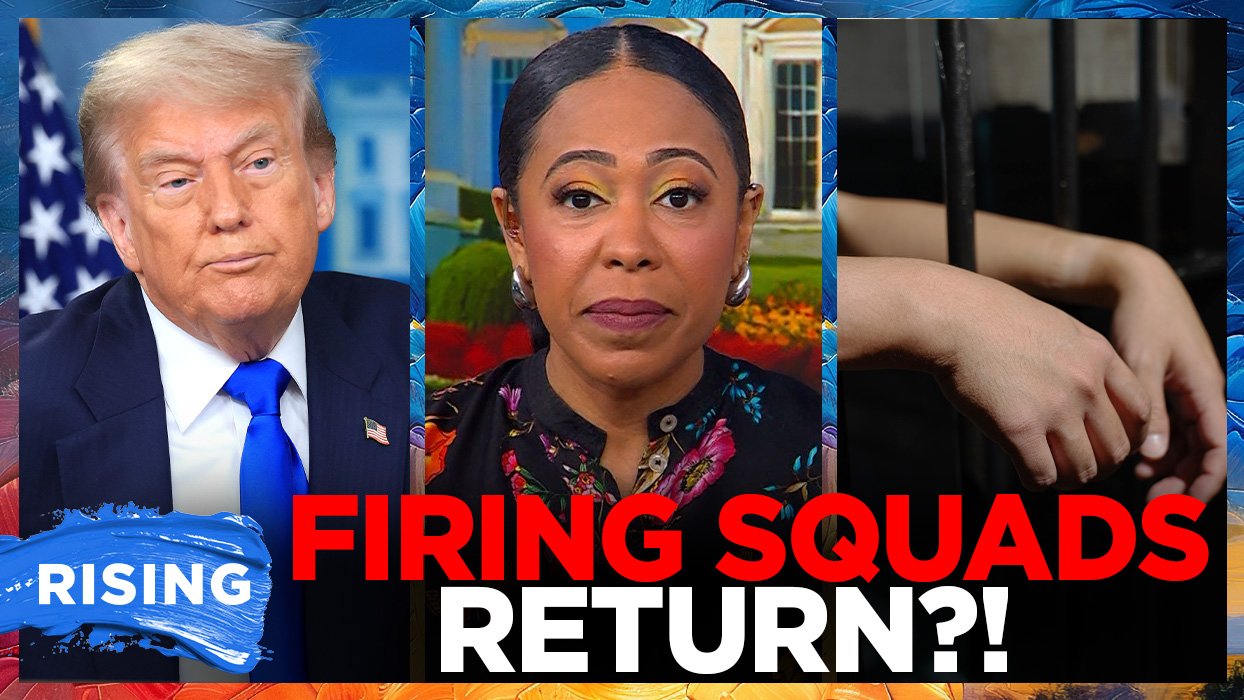
The Trump administration is pushing to reinstate execution by firing squad at the federal level, a move that goes beyond method to the very speed and fairness of capital punishment.
The Justice Department, under Attorney General William Barr, argues this is about enforcing the law and supporting victims. But the broader agenda includes not only expanding execution methods—lethal injection, electrocution, and now firing squads—but also shortening the time death row inmates have to appeal their sentences.
That's where the controversy deepens. Historically, the appeals process has served as a critical safeguard, catching wrongful convictions that would otherwise lead to irreversible tragedy. Consider Anthony Ray Hinton, who spent nearly 30 years on Alabama's death row for a crime he didn't commit, freed only after appeals revealed flawed ballistics evidence. Or Kirk Bloodsworth, a former Marine exonerated by DNA after nine years. Shortening that window would have sealed their fates.
The racial dimensions are stark. Black Americans make up about 13% of the U.S. population but account for roughly 42% of death row inmates. They are also more likely to be exonerated—but often only after lengthy appeals that the administration now seeks to curtail. When officials tout "efficiency," critics ask: efficiency for whom?
The firing squad itself raises serious questions about what constitutes humane execution. South Carolina, one of only five states that still allow it, saw a botched execution last year. In Mikal Mahdi's case, witnesses reported that the bullets mostly missed his heart, leaving him gasping and crying out for minutes before death. Lawyers argued this violated the constitutional ban on cruel and unusual punishment.
Public support for the death penalty has eroded significantly. A recent Gallup poll shows only about half of Americans now favor capital punishment, down from 80% in 1994. More people are questioning whether the system can be trusted with irreversible decisions, especially given the risk of executing the innocent.
Even religious leaders have weighed in. Pope Francis recently stated, "The dignity of the person is not lost even after various serious crimes are committed," and argued that effective detention systems can protect society without foreclosing redemption. That view, that justice and humanity can coexist, remains deeply contested but increasingly part of the national conversation.
The DOJ's push comes amid broader debates on criminal justice reform and executive power. The Trump administration has also used social media to amplify its law-and-order message, while pressing foreign leaders on security issues. But at home, the question of how—and how quickly—the state takes a life remains a flashpoint.