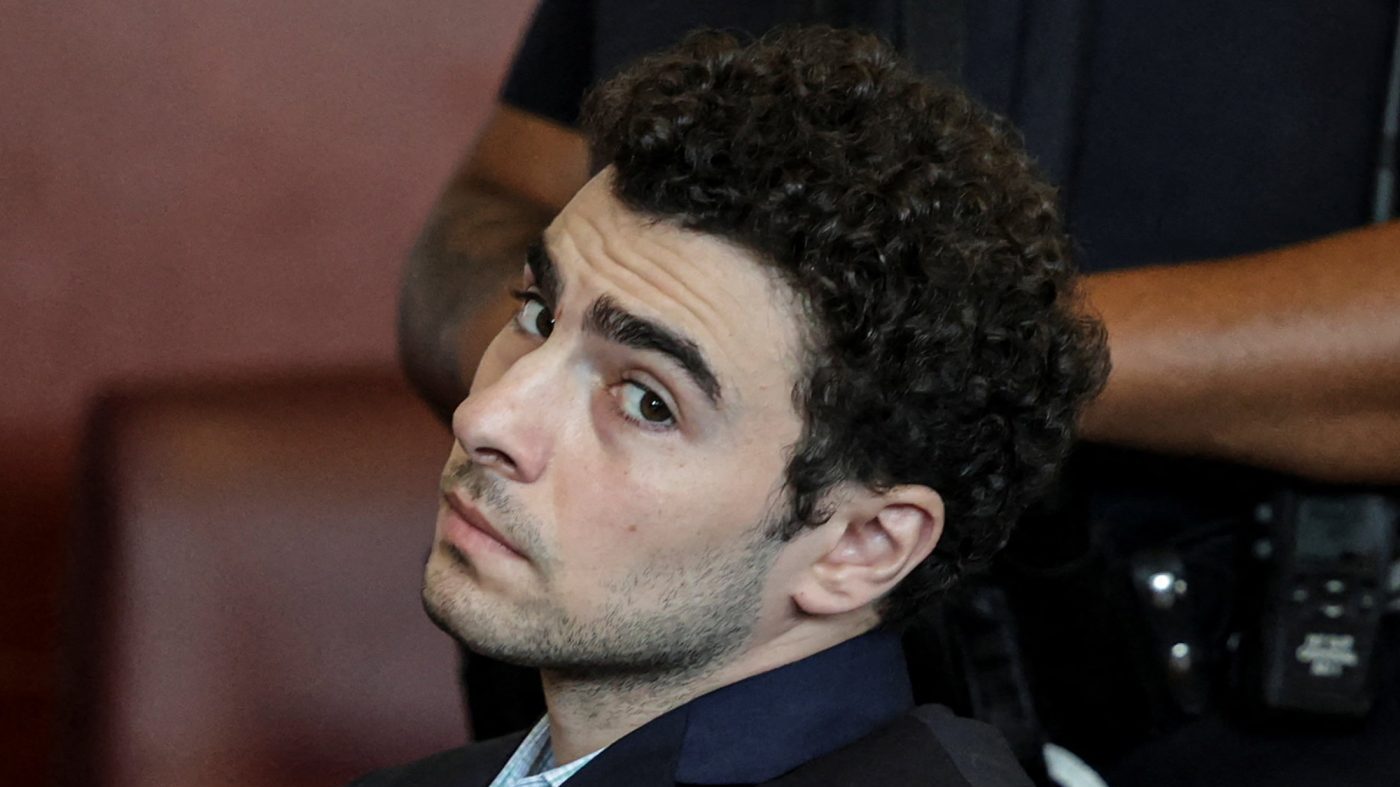
Luigi Mangione, the man accused of fatally shooting UnitedHealthcare CEO Brian Thompson, is fighting to ensure his trial is fully open to the public, including live broadcast coverage. In a recent court filing, his attorneys argued that any restrictions on media access would be unjust and undermine the transparency of the proceedings.
The defense team explicitly stated they are not questioning the professionalism of the journalists selected to cover the trial. Instead, they object to a process that would allow only a small fraction of reporters seeking to attend, especially one in which their client had no input. The filing reads: “To be clear, the defense is not impugning the objectivity or independence of the reporters chosen to cover the trial. Rather, the defense objects to any process, and certainly one in which he had no involvement, where a small percentage of reporters seeking to cover the proceedings are permitted to do so.”
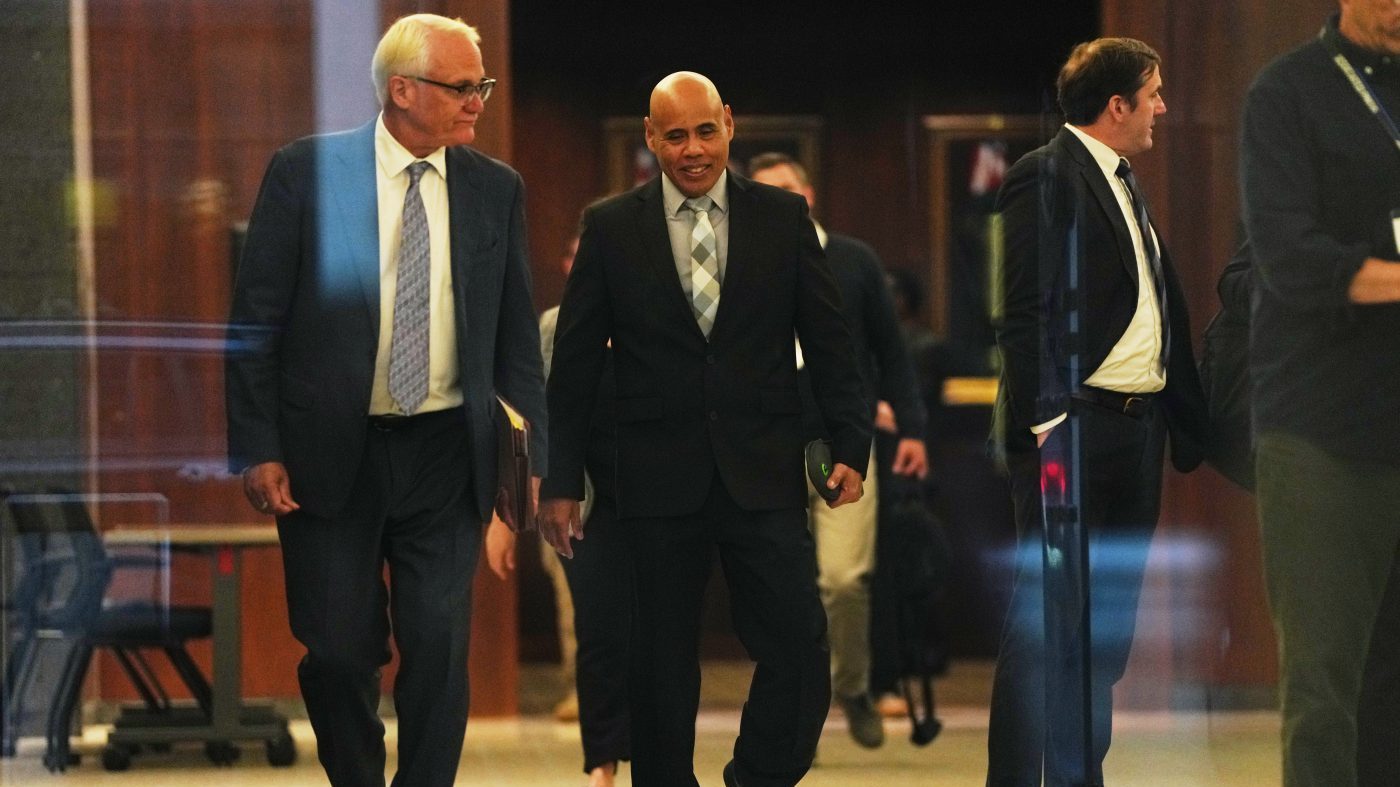
Additionally, Mangione's lawyers opposed a decision not to broadcast the trial to an overflow courtroom, arguing that such a move would unnecessarily limit public access. The case has drawn intense national interest, with some observers expressing sympathy for Mangione while others condemn the alleged violence. The public discourse has been fueled by widespread frustration with the health insurance industry, particularly UnitedHealthcare's high claim denial rates.
Mangione faces state charges of second-degree murder, as well as weapons and forgery charges. He is also facing separate federal stalking charges. The state trial is scheduled to begin on September 8, with the federal trial expected to follow on January 5, 2027.
The request to broadcast the trial live is part of a broader debate over courtroom transparency in high-profile cases. Proponents argue that live coverage ensures public oversight, while opponents worry about the potential for grandstanding or influencing witnesses. The judge overseeing the case will ultimately decide whether to allow cameras in the courtroom.
This case arrives amid broader political scrutiny of the healthcare system, as lawmakers and advocacy groups continue to debate insurance reform. The trial's outcome could have significant implications for how the public perceives both the justice system and the insurance industry.
As the legal proceedings unfold, observers will be watching closely to see whether the court grants the defense's request for full media access. The decision could set a precedent for how future high-profile trials are covered in New York and beyond.
For now, Mangione remains in custody, and his legal team is preparing for a trial that is expected to draw significant media attention. The court's ruling on the broadcast request is likely to come in the weeks ahead.