A federal judge on Monday directed President Trump to release financial documents from his revocable trust to the BBC, siding with the broadcaster in a defamation dispute over a controversial documentary edit. The order, issued by Judge Enjoliqué Aytch Lett, grants the BBC's subpoena for records dating back to January 1, 2023, from the Donald J. Trump Revocable Trust.
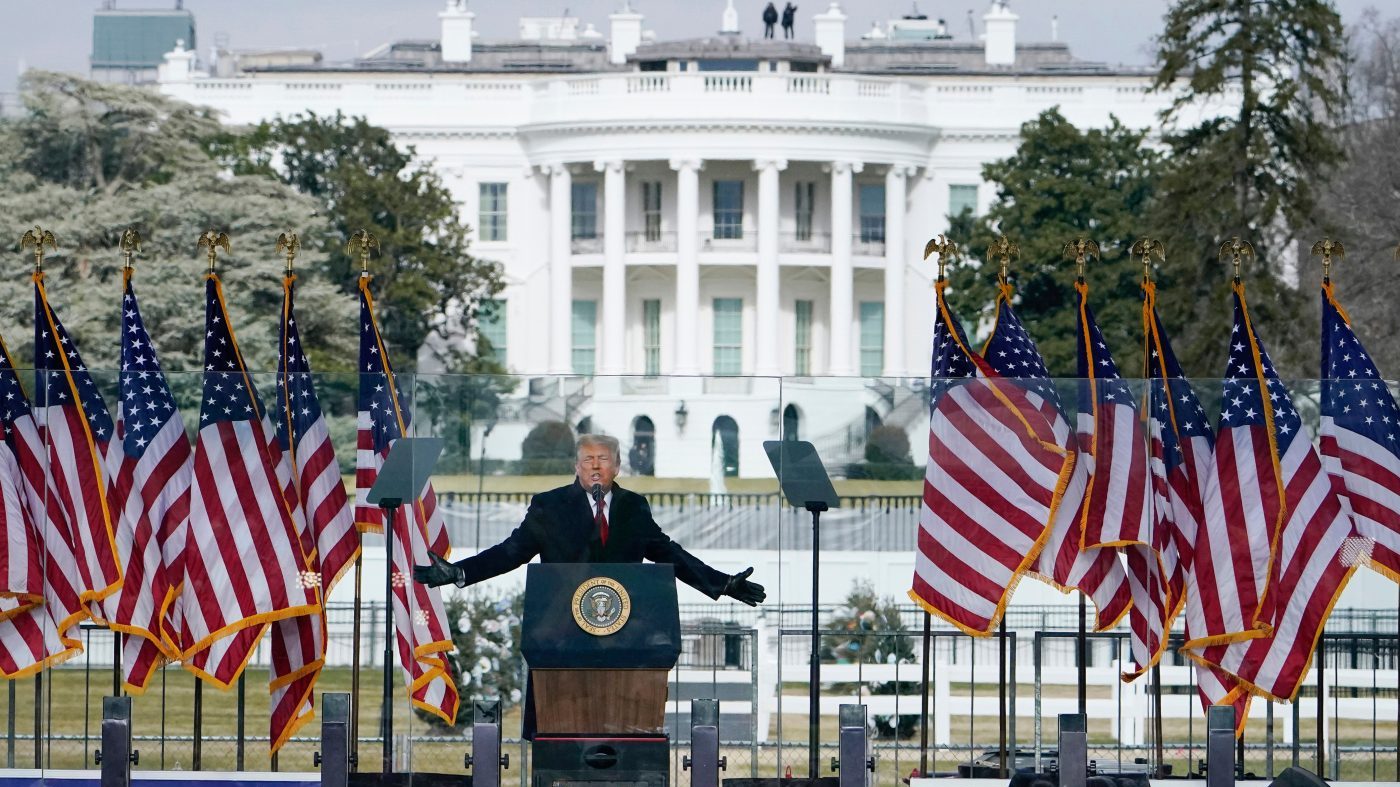
The ruling is a key development in Trump's $10 billion defamation lawsuit against the BBC, which stems from an October 2024 episode of the network's Panorama series titled “Trump: A Second Chance?” The program spliced together three separate portions of a Trump speech, creating the false impression that he directly called for violent action against the U.S. Capitol.
Trump's legal team had argued for using expert testimony to prove the broadcast caused substantial financial harm. But Judge Lett found the subpoena's requests “overbroad as to the temporal scope” and narrowed them to a period around the documentary's air date. “Because the Documentary aired on October 28, 2024, documentation from the date of January 1, 2023, to the present should allow Defendant to determine Plaintiff's financial position immediately before and after the documentary's publication,” Lett wrote in the order.
The BBC apologized in November 2024 for the editing error, stating: “We accept that our edit unintentionally created the impression that we were showing a single continuous section of the speech, rather than excerpts from different points in the speech, and that this gave the mistaken impression that President Trump had made a direct call for violent action.” However, the network declined to offer a financial settlement, prompting the lawsuit.
The controversy also led to the resignations of BBC Director-General Tim Davie and news chief Deborah Turness, underscoring the fallout from the incident. The case has drawn attention as Trump continues to wage legal battles on multiple fronts, including over his handling of military operations and his cuts to global health programs.
The trust's records are expected to reveal whether the documentary actually damaged Trump's financial standing, a central question in the defamation claim. Legal experts note that the narrowed timeline could limit the scope of discovery but still provide the BBC with critical evidence to counter the $10 billion figure.
The case also touches on broader issues of media accountability and political leverage. Trump has frequently targeted news organizations, and this lawsuit is part of a pattern of aggressive legal action against outlets he accuses of bias. Meanwhile, the BBC has defended its editorial integrity, insisting the error was unintentional and that it has taken corrective steps.
As the litigation proceeds, both sides are preparing for a protracted battle. The next hearings are expected to focus on the admissibility of the trust documents and whether the BBC's apology constitutes an admission of liability. The outcome could set a precedent for how defamation suits against major news organizations are litigated, especially when political figures are involved.