A federal judge on Wednesday night dealt a setback to the Trump administration's attempt to open California's strict vehicle emission standards to congressional review, ruling that the Environmental Protection Agency (EPA) overstepped its authority in reclassifying the state's longstanding waivers.
U.S. District Judge Beryl Howell, an Obama appointee, issued a preliminary injunction against the EPA's June decision to label California's Clean Air Act waivers as “rules.” That designation would have made them vulnerable to the Congressional Review Act (CRA), a procedural tool that allows lawmakers to overturn recent federal regulations with a simple majority vote in both chambers and the president's signature.
In her ruling, Howell wrote that “the central problem for EPA is that the waivers themselves explicitly state that they are not rules,” while the CRA only applies to agency actions that are rules of general applicability. She accused the agency of engaging in “Orwellian doublethink, offering two explanations simultaneously” for its action.
The judge determined that California is likely to succeed on the merits of its challenge and ordered a return to the status quo that existed before the EPA's June action, effectively freezing the agency's attempt to subject the state's emission standards to congressional override.
The ruling comes amid a broader legal and political clash over California's authority to set stricter pollution limits than the federal government. For decades, the EPA has granted waivers allowing California to enforce its own standards for vehicles and lawn equipment under the Clean Air Act, a practice that has been upheld by administrations of both parties.
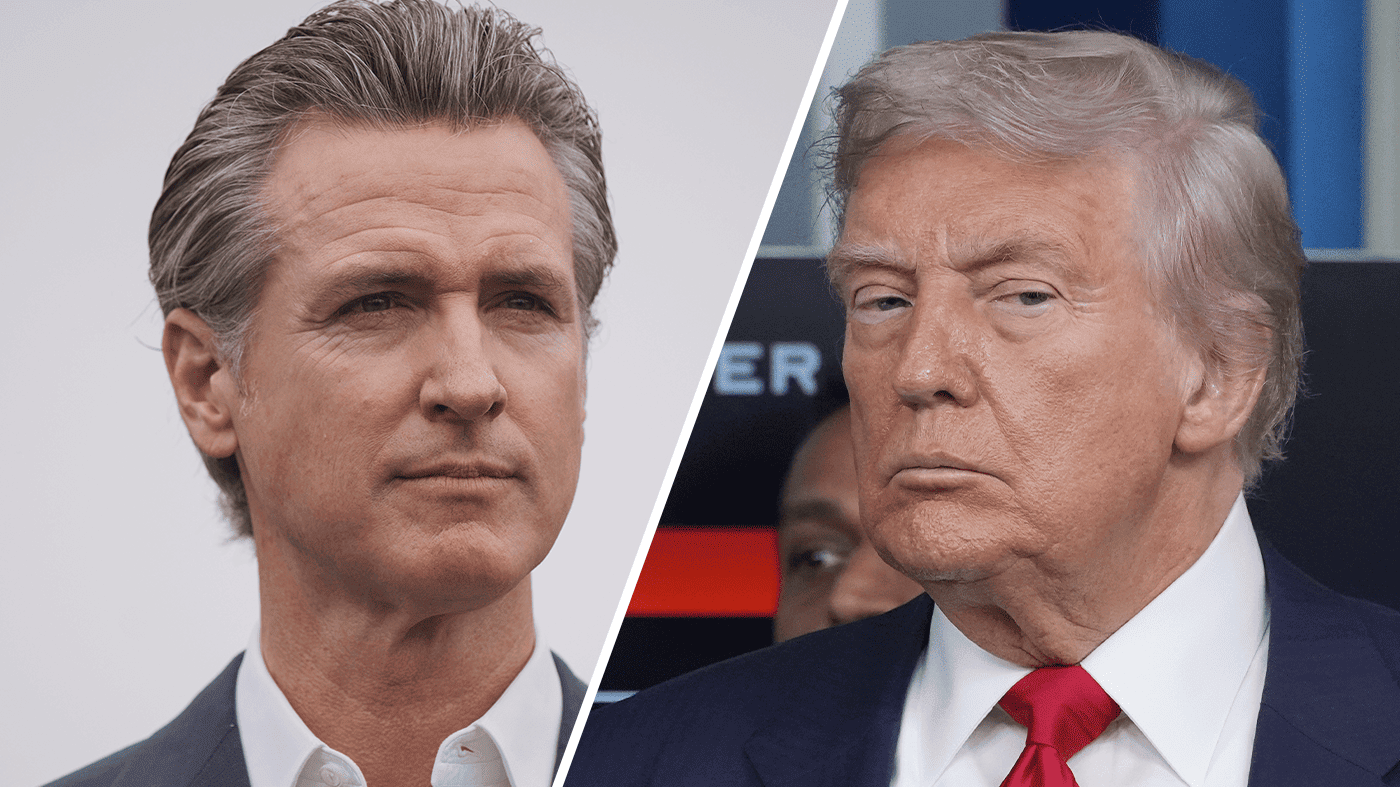
California Attorney General Rob Bonta praised the decision, stating, “California is taking many steps forward to protect the environment and public health while President Trump is taking six steps back.” He added that “for 50 years, both Democratic and Republican administrations have upheld California's authority to enforce state emission standards, but this administration thinks it can roll back the clock and sow chaos even while our lawsuit plays out in court.”
Bonta called the ruling “a key victory that rebuffs President Trump's prior efforts,” emphasizing that “federal emission standards should be a baseline to protect our future, not a ceiling to limit it.”
This is not the first time the Trump administration and its congressional allies have targeted California's environmental rules. Last year, Republicans in Congress used the CRA to nullify California's plan to phase out gasoline-powered cars—a separate action that is currently being challenged in court.
The EPA has not yet commented on the ruling. The decision is a significant check on the administration's strategy of using procedural maneuvers to strip California of its regulatory authority, and it may have broader implications for how the CRA is applied to other state-federal partnerships.
As the legal battle continues, the ruling could also influence how other states view their ability to adopt California's standards, a key issue as political dynamics shift ahead of the midterms. The case will now proceed in the lower court, with California seeking a permanent block on the EPA's reclassification.