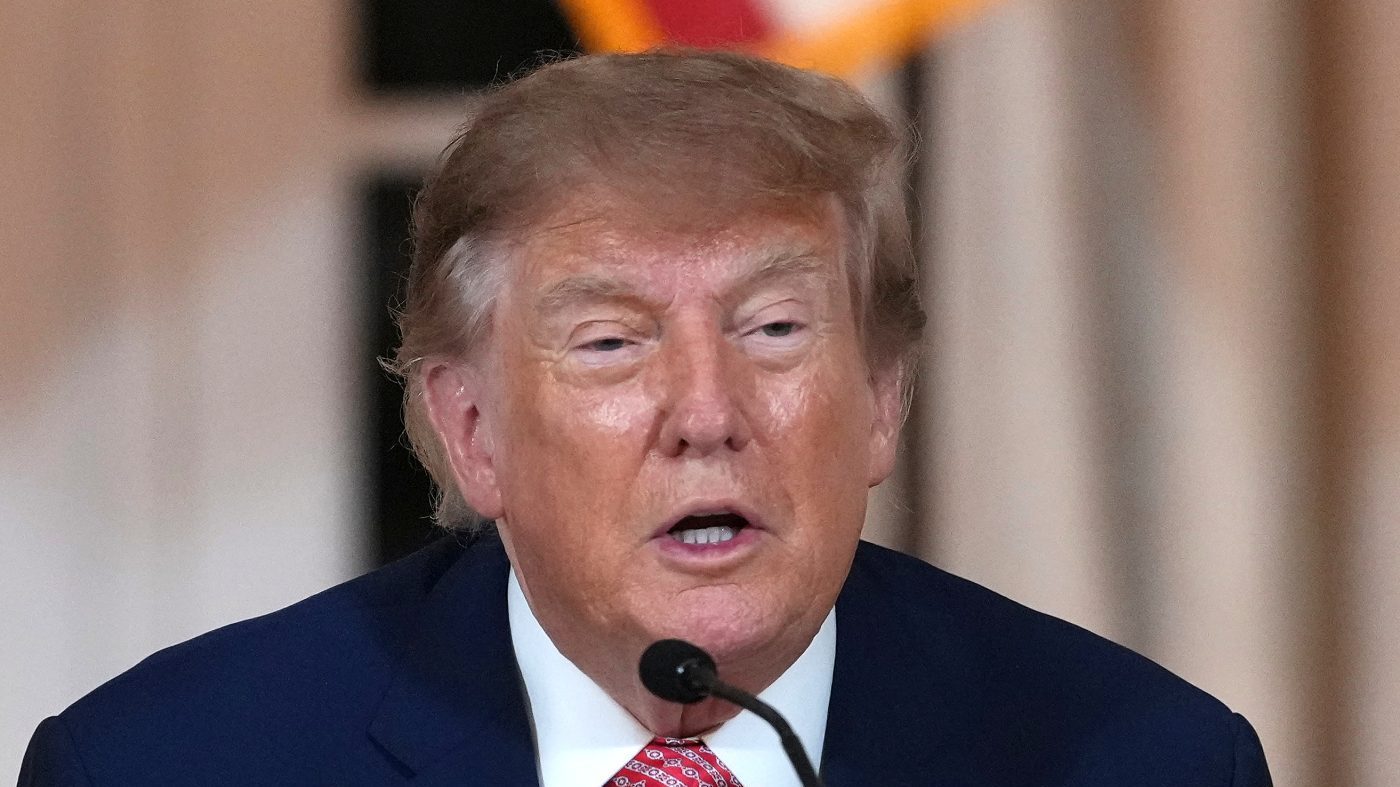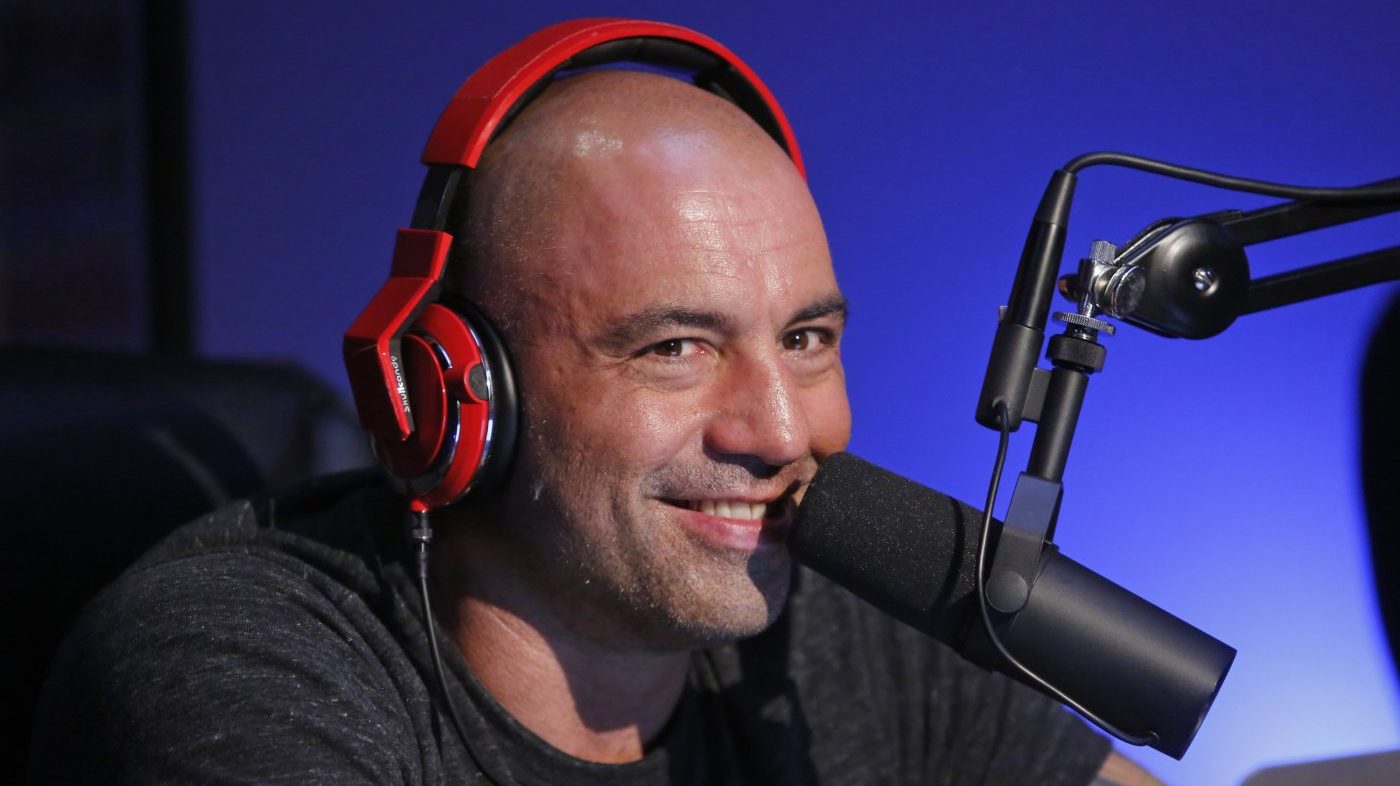
Podcaster Joe Rogan took aim at President Donald Trump's recent settlement with the Internal Revenue Service on Monday, zeroing in on a provision that shields the president, his family, and his businesses from existing tax audits. During an episode of The Joe Rogan Experience with comedian Tom Segura, Rogan described the added clause as “nuts.”
“That is so crazy,” Rogan said. “Imagine like somebody accused you of murder, and it turns out you weren’t guilty of that murder, and then you sue them, and you go, ‘You can never prosecute me for murder again.’”
The immunity provision was quietly inserted into a broader agreement between the Justice Department and Trump, resolving several long-running disputes—including a $10 billion lawsuit over leaked tax returns. Acting Attorney General Todd Blanche signed a memo stating that the IRS is “forever barred and precluded” from auditing Trump’s prior tax returns and from pursuing any pending actions against the president.
The settlement also establishes a $1.776 billion “anti-weaponization” fund designed to compensate individuals who claim they were unfairly targeted by the federal government in previous administrations. However, the fund has drawn sharp bipartisan criticism, with lawmakers from both parties labeling it a “slush fund” that could potentially pay out to those involved in the January 6 Capitol riot, including individuals convicted of violent crimes against police officers. Trump and his eldest sons are not eligible for payouts from the fund but will receive a formal apology from the DOJ.
Tax experts have raised alarms about the precedent set by the audit immunity. Former IRS Commissioner Daniel Werfel told the Associated Press, “This is an unprecedented remedy. People expect the same tax rules and enforcement framework to apply to everybody.” The IRS has had a mandatory annual audit policy for sitting presidents and vice presidents since 1977, and federal law generally prohibits executive branch officers from requesting specific audits—though it includes a carveout for the attorney general.
The financial stakes are significant. Previous reporting by The New York Times and ProPublica indicated that an adverse ruling in a years-long tax audit could cost Trump more than $100 million. The grant of immunity effectively removes that threat.
Rogan, who endorsed Trump a day before the 2024 election, has become increasingly critical of the president during his second term. He has railed against Trump’s handling of the Iran conflict and his administration’s immigration enforcement tactics. Despite the criticism, Rogan visited the Oval Office last month for the signing of an executive order accelerating psychedelic drugs research.
The controversy over the settlement adds to growing scrutiny of Trump’s financial and legal maneuvers. For more on the broader implications, see our analysis of the $1.8 billion 'revenge fund' and tax immunity scandal. Meanwhile, GOP senators have voiced alarm over the DOJ's handling of the slush fund.