Could a Jewish candidate win the White House in 2028? With Rahm Emanuel, Illinois Governor JB Pritzker, and Pennsylvania Governor Josh Shapiro signaling interest, the question is no longer hypothetical. Georgia Senator Jon Ossoff, who has a Jewish father, denies a run—a telltale sign he may be in. But each faces a new political reality: bashing Israel is no longer a third rail but a litmus test for Democratic ambition, especially for Jewish politicians.
The Constitution bars a religious test for office, but history shows otherwise. In 1928, Catholic Al Smith faced conspiracy theories about a tunnel to the Vatican. John F. Kennedy, in 1960, famously told Protestant clergy he was the Democratic candidate who happened to be Catholic, not the Catholic candidate. Today, with anti-Semitism surging and support for Israel plummeting, a Jewish president seems a long shot.

Prime Minister Benjamin Netanyahu has become a lightning rod. His failures on October 7, 2023—when Hamas killed 1,200 Jews and kidnapped over 250—and the brutal Gaza response have cost Israel moral ground. New York Mayor Zohran Mamdani, whose anti-Israel views are stark, is more popular among U.S. Jews than Netanyahu, and has threatened to arrest him at the UN.
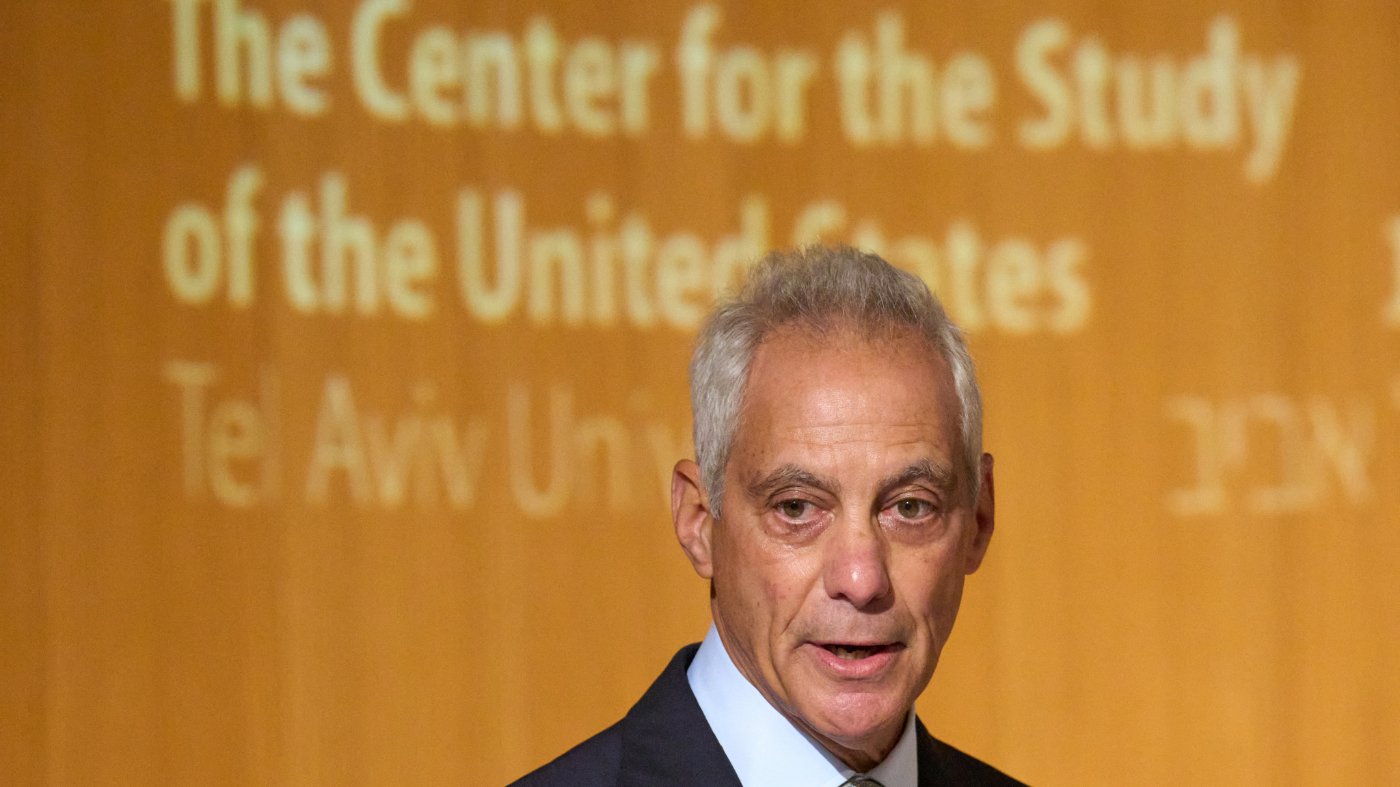
The Democratic hopefuls are adapting. Pritzker, once a major AIPAC donor, now sharply criticizes Netanyahu and the group's influence. Shapiro argues that a president who rubber-stamps Netanyahu's agenda harms U.S. national security and global stability. Ossoff balances support for Israel's self-defense with harsh criticism of Gaza's humanitarian toll. Emanuel, Obama's former chief of staff, went to Tel Aviv to denounce Israel's government, calling it a territorial pariah and advocating for sanctions on Israeli officials who attack Palestinians or support illegal settlements.
This shift is dramatic. Emanuel has even proposed replacing the two-state solution with a 23-state trusteeship under U.S.-Arab control, aiming to stop anti-Israel indoctrination. Critics call it laughable; teaching an end to anti-Semitism is no simple task. But his willingness to attack Israeli leadership on foreign soil is unprecedented for an American politician.
The question remains: is hypercriticism of Israel anti-Semitism? Roald Dahl once justified his hostility by citing a Jewish trait of lack of generosity. Today, the line is murkier. As the 2028 Democratic hopefuls stake out rival Israel positions, the party's rift widens. For Jewish candidates, the path to the White House may require navigating a party base that demands distance from Israel—a test no previous Jewish contender has faced.