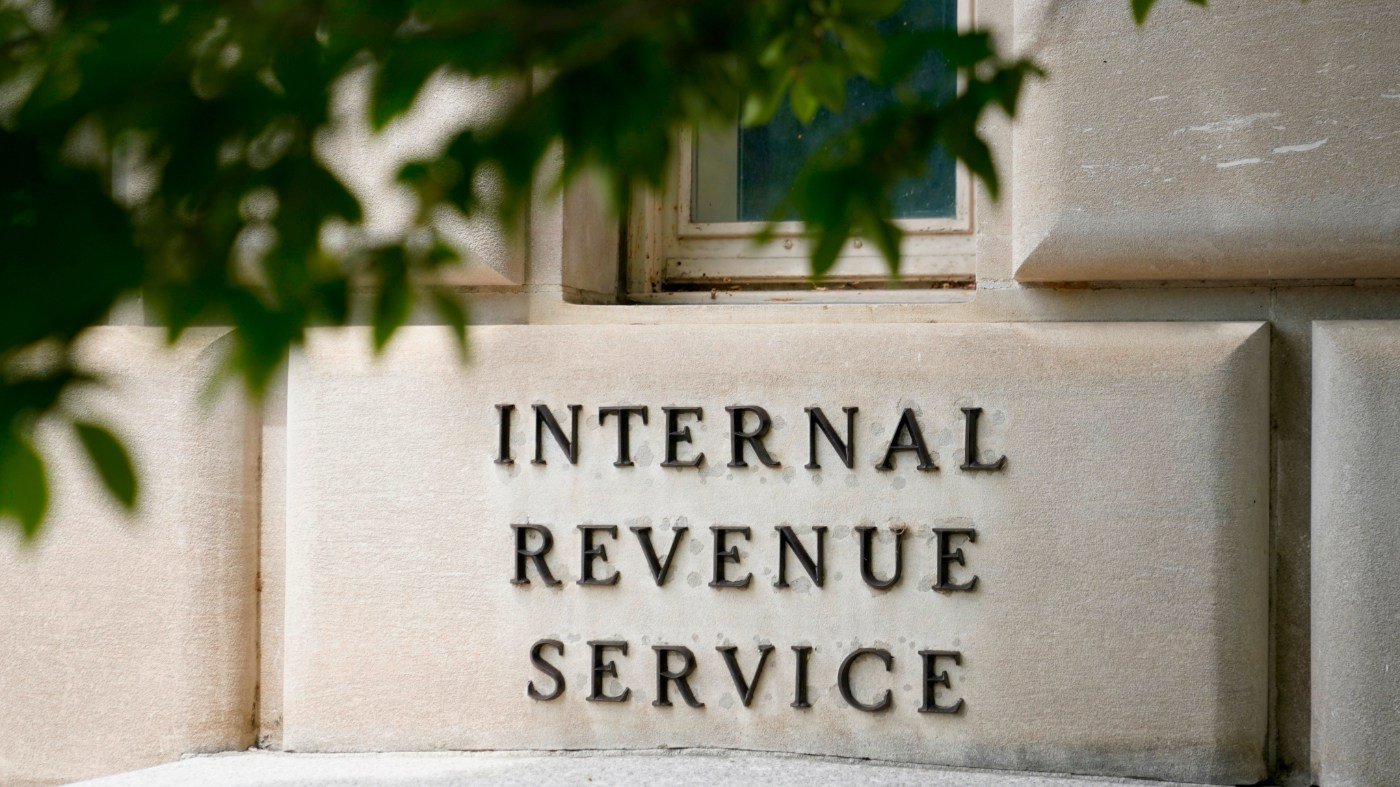
The Internal Revenue Service's proposed rule, unveiled September 3, would revoke the tax-exempt status of any private school that operates a race-conscious program—regardless of its purpose. The move, which the agency estimates could affect 18,000 institutions and 750,000 students, has ignited a fierce debate over the scope of executive authority and the weaponization of tax law for ideological ends.
Philip Hackney, a former IRS attorney and current law professor at the University of Pittsburgh, argues that the proposal goes far beyond enforcement. "It is a power grab that should alarm everyone, regardless of where you stand on affirmative action," he wrote in a scathing analysis. Hackney, who spent five years enforcing tax rules for private schools, warns that the agency is claiming unprecedented authority to impose its own interpretation of Supreme Court precedent on private actors.
Legal Foundation and Its Limits
The proposed regulations are built on the 1983 Supreme Court decision in Bob Jones University v. United States, which upheld the IRS's revocation of tax exemption from a university that practiced racial segregation. However, Hackney stresses that the Court's ruling was narrow and contingent on decades of bipartisan consensus—Congress had passed civil rights legislation, presidents had enforced desegregation, and the courts had struck down segregation in Brown v. Board of Education. Justice Lewis Powell's concurrence warned that without such democratic convergence, the IRS could become "a weapon aimed at ideological opponents."
Today, that convergence is absent. Congress has never legislated against race-conscious remediation, and the IRS itself has protected minority-favoring scholarship and admissions programs for over 50 years. The administration is not implementing a democratic consensus; it is attempting to create one by administrative decree.
Misapplication of SFFA
The administration's legal theory rests entirely on the 2023 Supreme Court decision in Students for Fair Admissions, which struck down race-conscious admissions at Harvard and the University of North Carolina. But that ruling was grounded in the 14th Amendment's equal protection clause and Title VI of the Civil Rights Act—both of which apply to government actors and recipients of federal funding. The Court did not declare a new national policy binding on every private school; it resolved a specific dispute about specific programs at specific institutions.
"The IRS does not explain how a constitutional holding about university admission policies becomes a tax exemption standard for every private school in the country," Hackney writes. "It has simply asserted it."
Broader Implications
The stakes extend far beyond private schools. Every tax-exempt organization—universities, hospitals, foundations, advocacy groups, churches—now operates in a legal environment where the executive branch claims the power to define fundamental public policy through the tax code, based on judicial decisions it cherry-picks. Institutions whose entire mission is remedying the effects of historical discrimination face the particular cruelty of having that mission turned against them by the very legal doctrines designed to protect them.
Hackney calls on the administration to withdraw the regulations and, if it believes SFFA requires this result, to make that case to Congress. "Congress can act. Congress can be held accountable. IRS rulemaking cannot," he argues.
The proposal has already drawn sharp criticism from civil rights groups and legal scholars, who see it as an overreach that could chill legitimate efforts to promote diversity and address historical inequities. As the public comment period unfolds, the battle over this rule is likely to become a defining test of the limits of executive power in the post-affirmative-action era.