A senior career official at U.S. Immigration and Customs Enforcement has accused the agency of bypassing proper vetting procedures to rapidly expand its workforce during the Trump administration, according to a whistleblower report filed last August.
The report, submitted to the Department of Homeland Security's Office of Inspector General, alleges that ICE made conditional job offers to candidates who had not yet completed background checks, a practice the whistleblower described as violating federal hiring standards. The New York Times first reported the filing Thursday; The Hill has independently confirmed its contents.
The whistleblower, a high-ranking ICE veteran who retired in July, wrote in an accompanying memo that the agency's process "fast-tracks unqualified, improperly vetted employees" and runs afoul of legal requirements. The OIG announced in August that it would review ICE's hiring and training protocols.
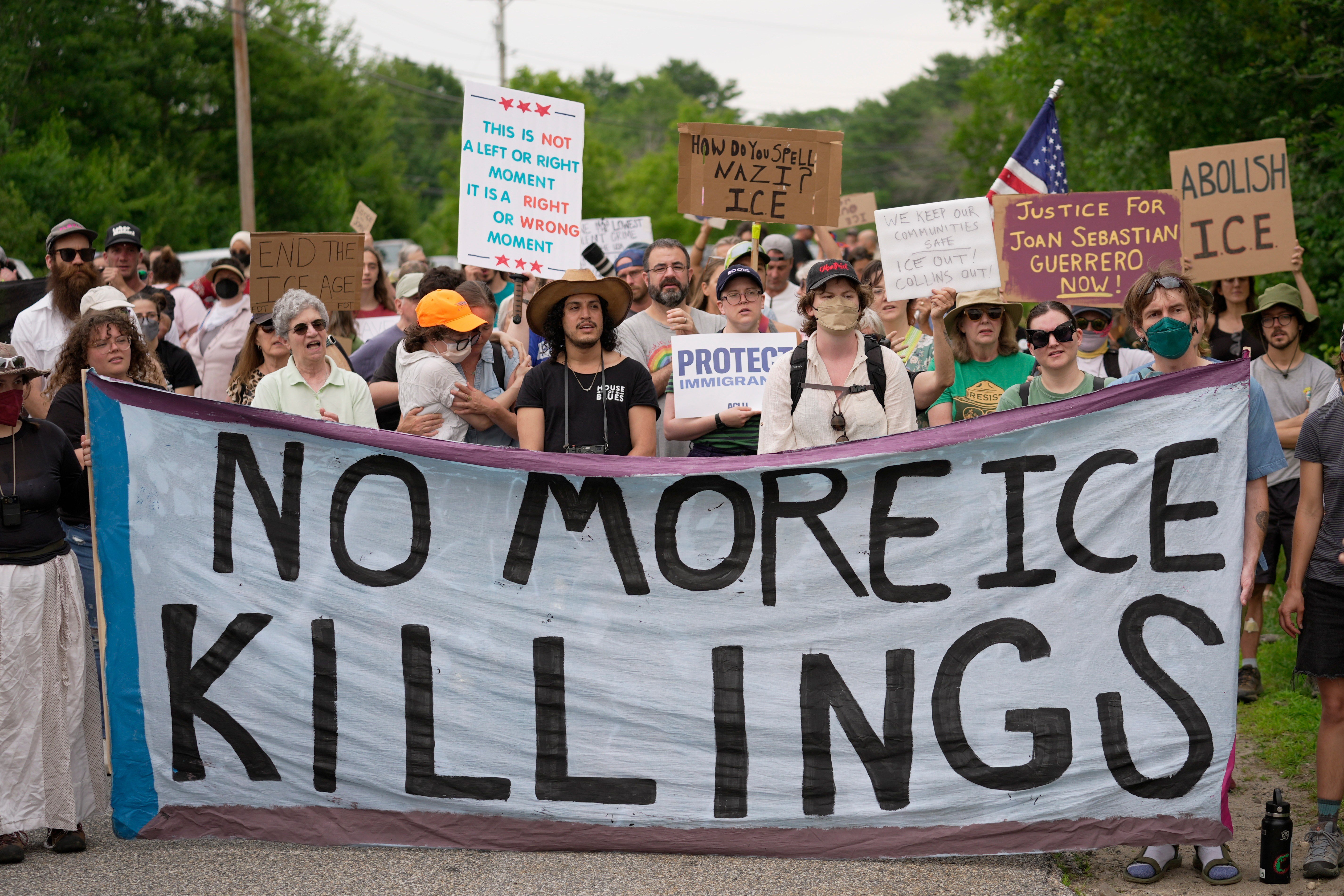
The allegations come as lawmakers and internal critics have raised concerns about the speed of ICE's expansion, which gained renewed attention after the July killing of Joan Sebastian Guerrero in Maine. Guerrero was shot by ICE officer David Brouillette, who had a history of complaints, including abuse allegations from his ex-wife.
In response to the report, DHS declined to comment on former personnel but defended its current practices. "The ICE Office of Professional Responsibility diligently applies the proper personnel vetting regulations, including guidelines for national security, and evaluates all available information for every applicant based on these factors," the agency said in a statement. It noted that applicants may receive a tentative selection letter after interviews and can be offered temporary status to begin training while a full background investigation is pending.
The whistleblower's concerns echo testimony from another DHS insider earlier this year. Ryan Schwank, a former ICE lawyer, told a congressional forum in February that training for new officers had been stripped of essential content, calling it "deficient, defective and broken." Schwank said ICE cut 240 hours from a 584-hour program, removing instruction on the Constitution, legal procedures, firearms, use of force, lawful arrests, detention standards, and limits on officer authority.
DHS's statement also addressed training changes, saying ICE academy programs will extend to 72 days starting June 2, 2026, with all new classes beginning July 1, 2026, and graduates of the prior curriculum attending follow-on training at the Advanced Field Officer Training Program.
The OIG's review is part of a broader pattern of whistleblower complaints within DHS, including concerns about election integrity and allegations of political interference in enforcement actions. The outcome of the ICE hiring probe could have significant implications for the agency's credibility and its handling of an already strained immigration court system.