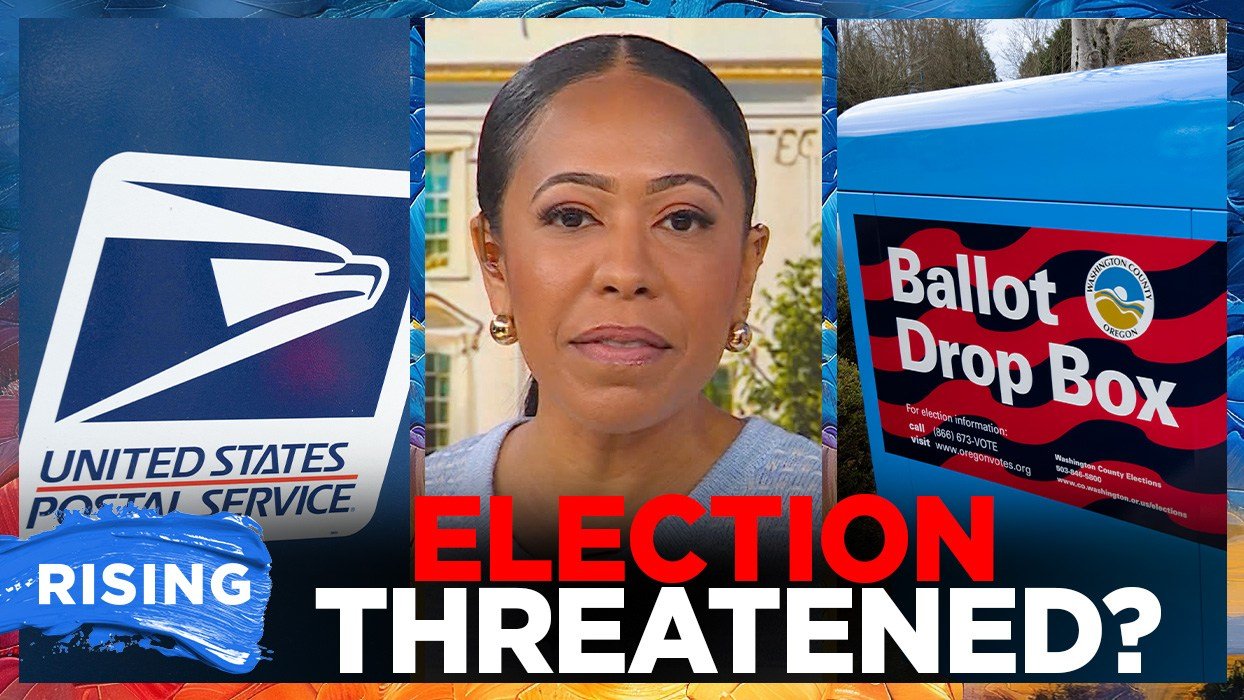
A new whistleblower report alleges that the U.S. Postal Service is rushing to implement a digital system for processing mail-in ballots that could disenfranchise millions of voters. The system, developed in what the whistleblower calls a “risky and haphazard” manner, could reject entire bulk mailings if a single ballot fails to scan, potentially causing “catastrophic failure” during the upcoming midterm elections.
Sen. Richard Blumenthal, who released the report, told reporters that “the main takeaway for me is that the Postal Service has designed a system to disenfranchise millions of Americans.” The report comes as states begin mailing ballots for the November elections, with roughly one-third of Americans expected to vote by mail.
The controversy is part of a broader legal and political battle over the Trump administration’s efforts to impose new restrictions on mail voting. The Supreme Court recently allowed the administration to proceed with its plan, but only on procedural grounds—states had challenged it too early. After USPS finalized the rules, a federal judge temporarily blocked key provisions, ruling that the challenge was now ripe.
“In plain English: the Supreme Court said you’re challenging this too soon. USPS then finalized the rules, and the lower court said, now there is something concrete to challenge,” the report explains. While the legal back-and-forth continues, the whistleblower says the Postal Service has continued working on the technology.
The stakes are high in key states like Michigan, where 37% of votes were cast by mail in the 2022 midterms, and California, which mails ballots to every registered voter and is central to the fight for control of the House. These states are now at the center of the dispute over the new system.
The administration’s broader election agenda includes the SAVE America Act, which would require states to submit voter rolls for federal inspection and give the Department of Homeland Security a role in determining voter eligibility. The legislation would also sharply curtail mail-in voting and impose documentary proof-of-citizenship requirements for voter registration.
Critics argue these moves are part of a pattern of sowing doubt in election integrity, echoing the president’s continued claims that the 2020 election was stolen. In July, he used a prime-time television address to suggest that American elections are vulnerable to foreign manipulation.
As the administration focuses on voting restrictions, it is also facing pressure on other fronts, including record-low approval ratings and concerns about rising costs. The president’s focus on voting rules, rather than policies to strengthen the economy or reduce living costs, has drawn criticism from opponents who say he is trying to win elections by making it harder for people to vote.
The legal battles are ongoing. A federal judge recently reopened the door for the administration’s mail-in voting restrictions, while blue states have refiled their challenge. The Justice Department is also seeking to end the nationwide halt on the rules, setting up a high-stakes showdown that could determine how millions of Americans cast their ballots.
For now, the whistleblower’s warnings add a new layer of urgency. With Election Day just two months away, the reliability of the mail-in voting system is more critical than ever. As one observer noted, instead of making it easier for eligible Americans to participate, these efforts risk creating additional barriers and uncertainty around the process.