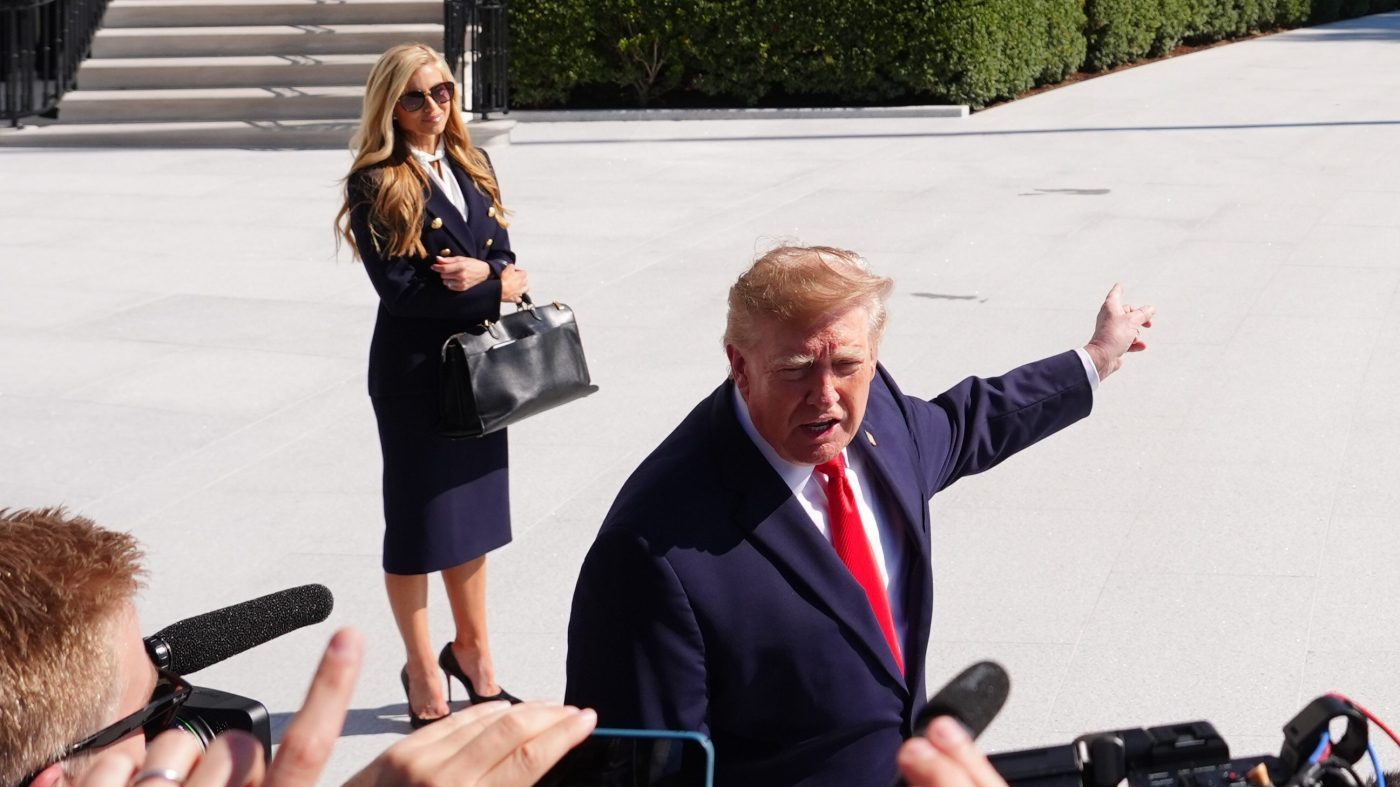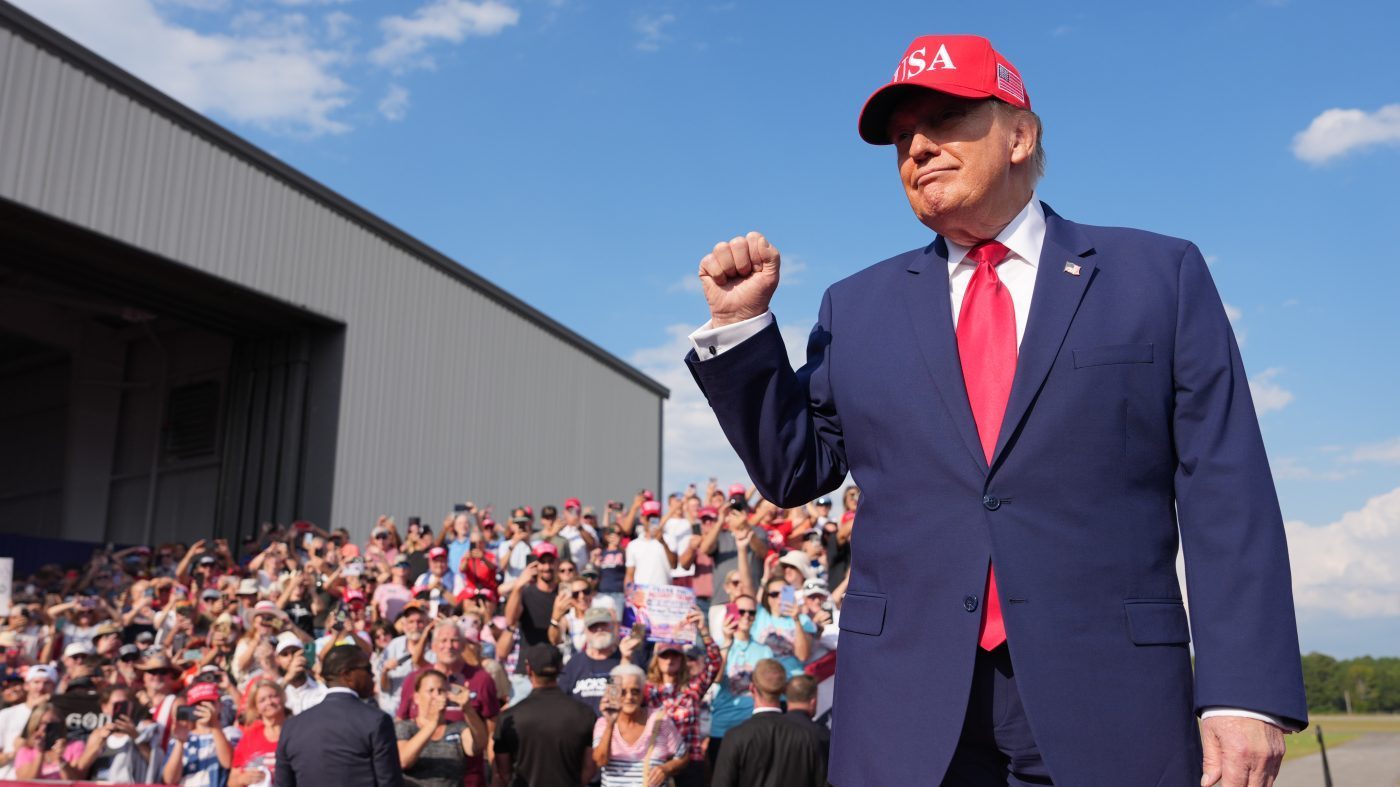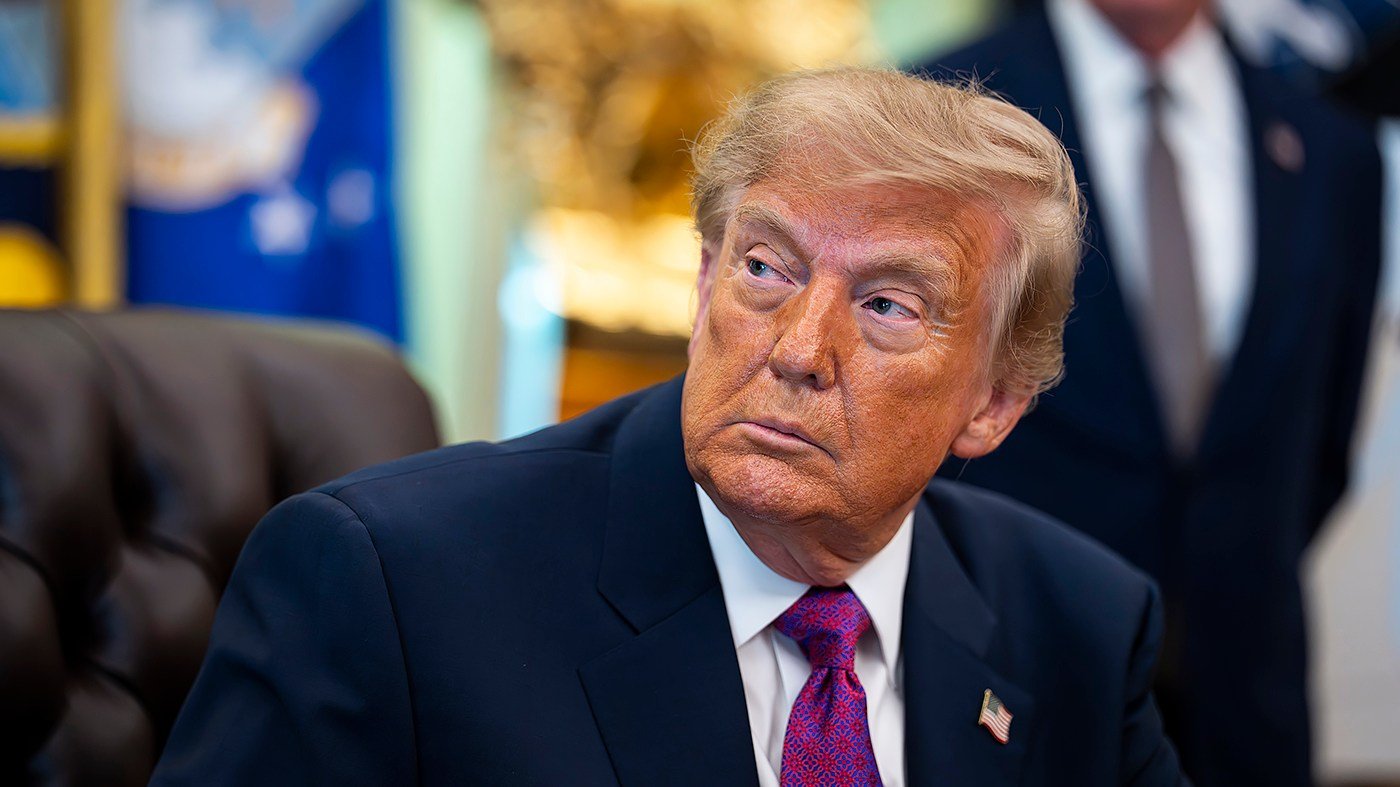
President Trump's approval rating remains mired at the lowest point of his political career, according to a fresh Reuters/Ipsos survey released Tuesday. The poll shows his approval stuck at 33 percent for the third consecutive time, as discontent over the Iran conflict and persistent price pressures weigh on his public standing.
The survey, conducted Aug. 28-31 among 1,167 respondents, found Trump's disapproval rating dipping slightly to 63 percent, down two points from its peak in his second term. That modest shift offers little comfort to a White House already bracing for a challenging midterm environment.
Cost of Living Emerges as Defining Issue
The economy, particularly the cost of living, is proving to be a political minefield for the administration. A striking 71 percent of respondents said they disapprove of Trump's handling of the issue, with only 22 percent expressing approval. This comes as inflation and household expenses have become the top concern for voters heading into November.
According to the poll, 47 percent of voters say the cost of living will be the most important factor in deciding their vote in the upcoming elections. The finding underscores the political peril for Republicans, who are defending narrow majorities in both chambers of Congress.
Democratic Enthusiasm Gap Widens
The survey also reveals a significant enthusiasm gap favoring Democrats. Nearly half of registered Democrats (46 percent) said they are “very enthusiastic” about voting in the midterms, compared to just 31 percent of Republicans. Among independents, 36 percent said they would support a Democrat if the election were held today, versus 22 percent who chose a Republican.
This enthusiasm gap could prove decisive in a political landscape where turnout is everything. The data suggests that Democratic voters are more motivated to cast ballots, a trend that historically benefits the party out of power.
Other Polls Paint a Bleak Picture
The Reuters/Ipsos findings are consistent with other recent surveys. The Decision Desk HQ average for Trump's approval dropped to 38.6 percent on Tuesday, a 1.5-point decline from the previous week. A separate University of Massachusetts Amherst poll found even harsher numbers, with only 32 percent approving of his job performance and 64 percent disapproving, including 54 percent who “strongly” disapprove.
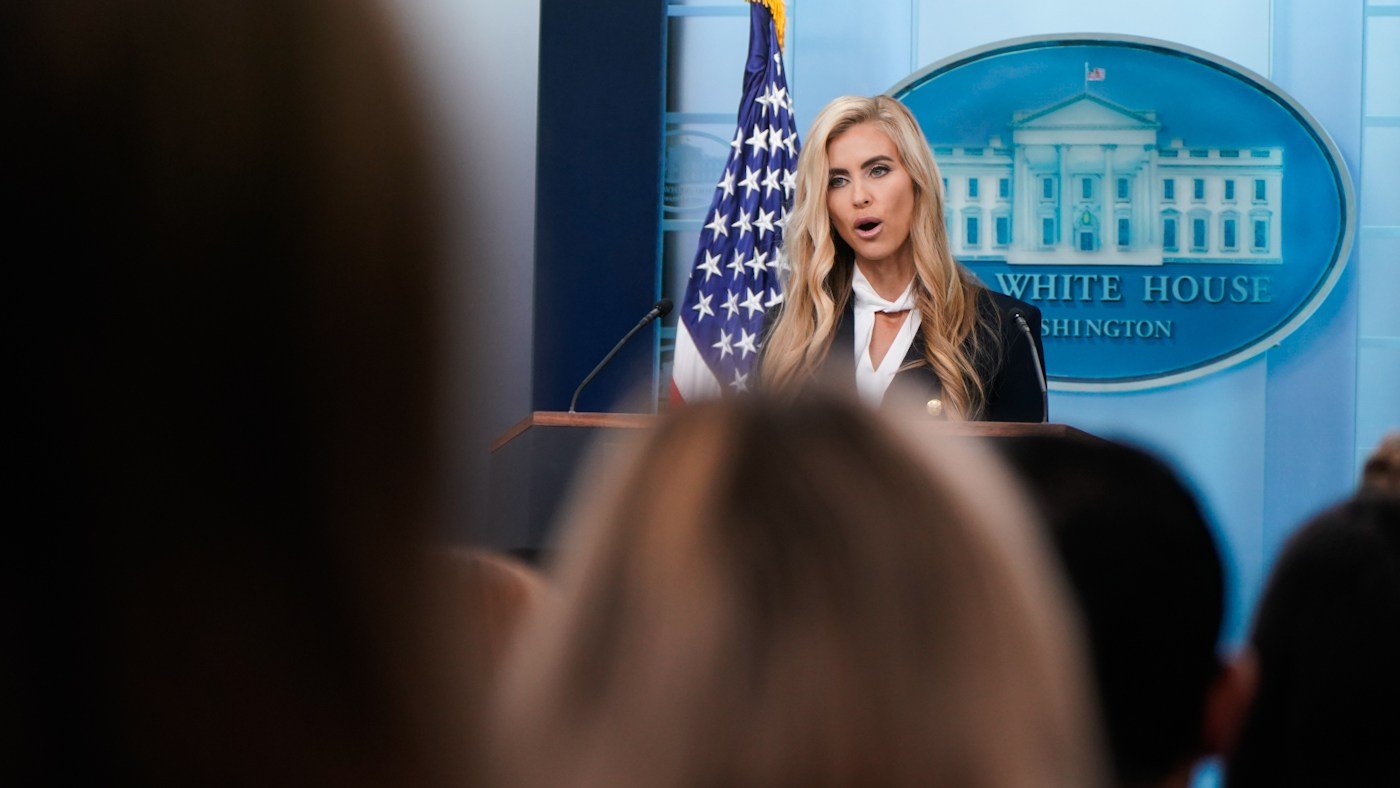
White House officials have pushed back on these figures. When asked about the ratings, a spokesperson pointed to a Truth Social post in which the president dismissed the polls as “Demoralization Operations” designed to suppress Republican turnout. Trump claimed, without providing specific data, that “real polls” show him with stronger numbers.
Political analysts note that Trump's approval has been under pressure all summer, with no sign of recovery. The combination of an unpopular war and stubborn inflation has created a toxic mix for the president, who has struggled to shift the narrative.
As the midterms approach, the White House is likely to face continued scrutiny over its handling of economic issues. Recent moves to press refiners on pump prices suggest an attempt to address voter concerns, but the poll numbers indicate that such efforts have yet to resonate.
Meanwhile, the administration's foreign policy decisions, particularly regarding Venezuela oil policy, have drawn criticism from both sides of the aisle. The president's focus on midterm messaging has done little to arrest his declining popularity.
With the margin of error at 3 percentage points, the poll's findings are within statistical noise, but the consistency across multiple surveys suggests a real and persistent problem for the president. As one political strategist put it, “These numbers are a wake-up call for the administration. The public is not buying what they're selling.”