The Trump administration's approach to combating antisemitism on college campuses has drawn sharp criticism from legal scholars and former officials, who say the effort was less about protecting Jewish students and more about extracting financial concessions from universities. A recent whistleblower disclosure to Congress alleges that the administration's Title VI investigations were a politically motivated shakedown, designed to pressure schools into paying millions to resolve exaggerated claims.
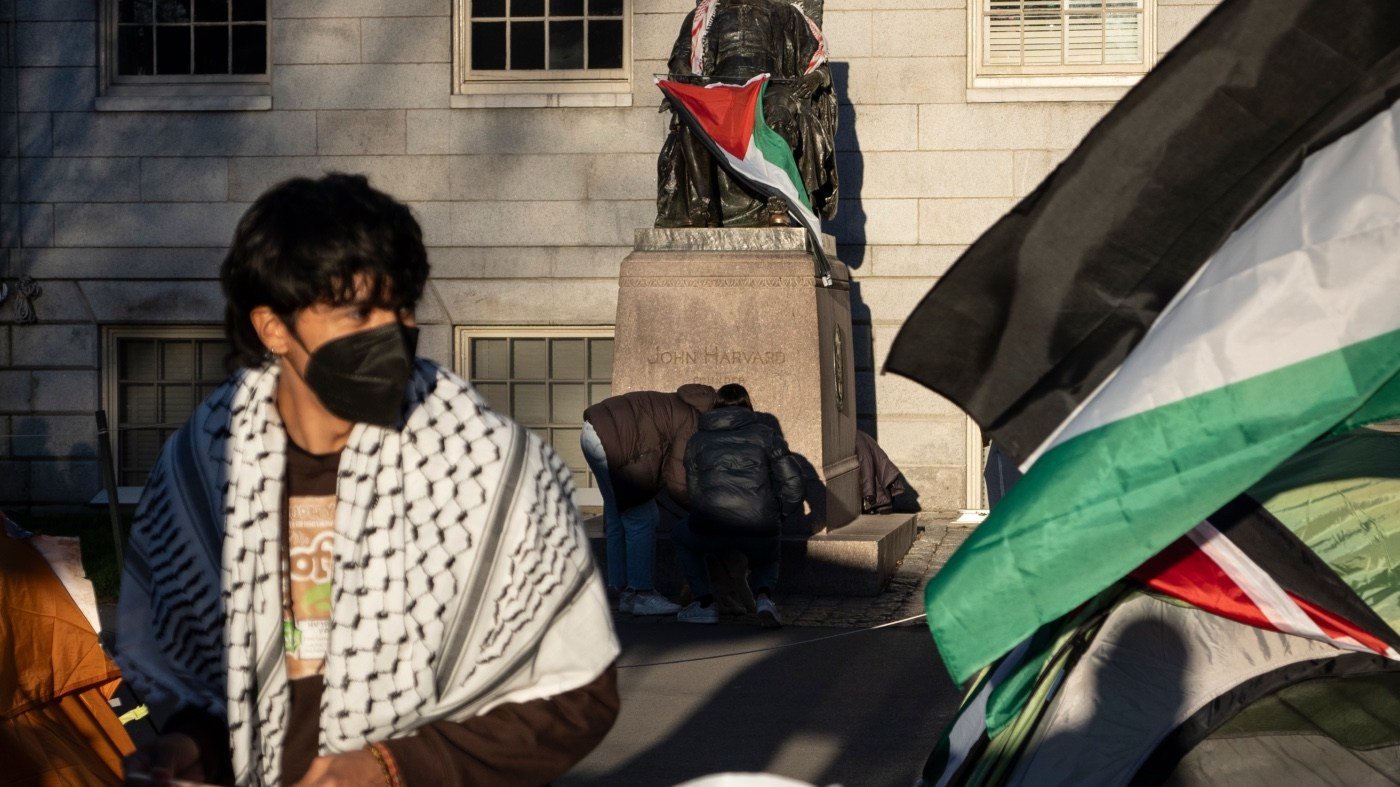
The task force, led by the Department of Justice and the Department of Health and Human Services, launched investigations in early 2025 into 60 colleges and universities, accusing them of tolerating "relentless antisemitic eruptions" that threatened Jewish students. The probes targeted prominent institutions, including Harvard, Columbia, and Brown, and were based on incidents related to pro-Palestinian encampments protesting Israel's military campaign in Gaza.
However, a former Justice Department attorney who worked on the task force has now come forward, asserting that the investigations were riddled with "extraordinary procedural irregularities" and "predetermined outcomes without factual or legal support." The attorney's disclosure, submitted to Congress, argues that the entire effort was a "politically mandated effort to disgorge enormous amounts of money from the universities."
The consequences have been significant. The administration froze hundreds of millions in federal grants at targeted schools. Columbia and Brown each agreed to pay settlements—$270 million combined—to release the frozen funds, while Northwestern paid $75 million. Harvard refused to settle, leading to a federal lawsuit that was ultimately dismissed by a judge who found the cited antisemitic incidents too "isolated and episodic" to meet the legal threshold for a Title VI violation.
Critics argue that the administration's heavy-handed tactics have backfired, obscuring real instances of antisemitism that did occur on campuses. The whistleblower's allegations, along with the court's ruling, underscore that while some incidents were serious, they did not amount to the pervasive discrimination claimed by the administration. This has made it harder to have a reasoned discussion about the line between political advocacy and threatening rhetoric, particularly regarding slogans like "Globalize the Intifada," which many Jews interpret as an endorsement of violence.
The failure to address these nuances has broader implications. As critics note, the administration's tactics have eroded trust in civil rights enforcement. Instead of issuing a report that documented actual incidents and educated the public, the administration chose to use the issue as a political weapon, a move that has been condemned across the political spectrum.
Steven Lubet, an emeritus professor at Northwestern, wrote in a recent essay that the administration's "cynical use of antisemitism as a bludgeon" has made it impossible to have a measured conversation about the issue. He points to real-world examples of antisemitic violence, from attacks in Manchester and Sydney to Mumbai and Paris, to underscore the gravity of the problem. Yet, he argues, the administration's exaggerations have caused genuine concerns to be dismissed or denied.
The fallout from these investigations is likely to persist, as universities and civil rights advocates call for a more balanced approach to addressing antisemitism. The cultural sector has also been affected, with institutions grappling with how to respond to allegations of bias. The administration's actions, however, have left a lasting stain on the effort to combat hate, turning a noble cause into a tool for political and financial gain.