Millions of Americans insist they are exhausted by President Trump. Yet many can recite his latest social media post, his morning remarks, and the cable news chatter by nightfall. They lament the media's obsession with him, but they keep clicking, watching, and debating. If the fatigue is real, why does the attention persist?
Trump's supporters are not the puzzle—they voted for him and want to hear him. The real enigma lies with his critics. Those who wish he would vanish from public life often monitor his speeches, dissect his tweets, and analyze his every move. Politics alone doesn't explain this contradiction; psychology does.
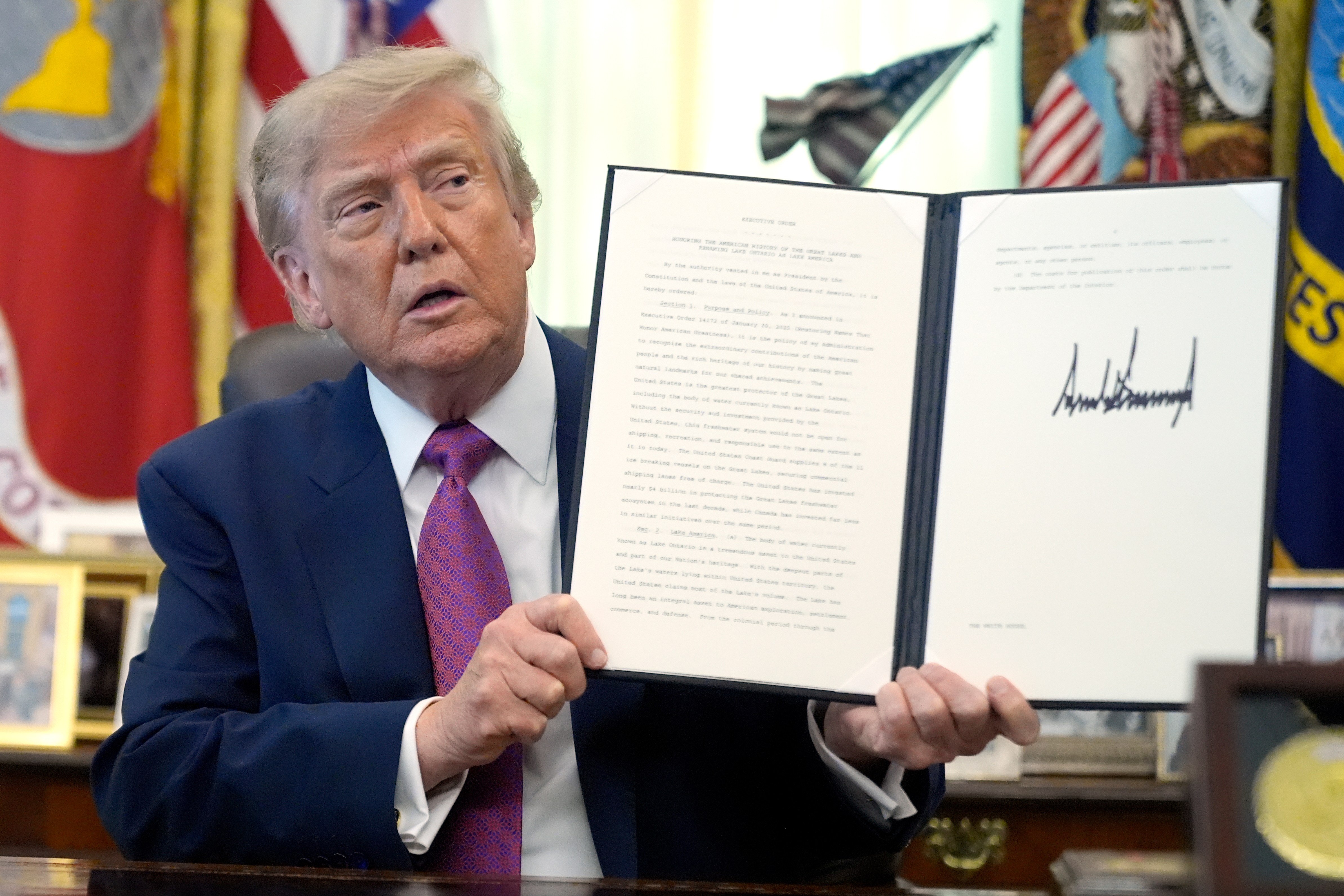
Behavioral psychologists have long noted that unpredictable rewards are among the most powerful drivers of human attention. Casinos exploit this via intermittent reinforcement—when outcomes are uncertain, people keep checking. Politics isn't gambling, but the pattern is strikingly similar. For nearly a decade, Trump has delivered genuine unpredictability: a policy shift, a staffing shakeup, a courtroom twist, an off-script press exchange, or a sudden renaming of a geographic feature. Supporters and critics alike anticipate something consequential, and that anticipation keeps both sides engaged. Supporters watch hoping for a win; critics watch fearing one. Different emotions, same behavior.
The media's role is central. Trump reliably drives ratings, clicks, and debate. Outlets that claim they want to move on often find themselves pulled back because audiences remain riveted. This creates a self-perpetuating cycle: Trump acts, media covers, critics condemn, supporters defend, and panels debate whether the story warranted attention—thereby giving it more. Soon, the meta-conversation dwarfs the original event.
Attention is not approval. People naturally focus more on uncertain situations than predictable ones, and politics is no exception. As long as Americans believe tomorrow may bring a consequential Trump development, they will keep checking today's headlines. This explains why predictions of “Trump fatigue” rarely materialize. Those who say they want less Trump often become the most determined not to miss the next twist, locking themselves in the cycle they claim to despise.
Yes, Trump is president, and presidents dominate headlines. But his sustained pull over a decade exceeds the norm. He possesses an unusual knack for making both sides believe the next headline could matter. That matters because attention is political currency. Before persuading voters, you must capture their attention. Every hour spent arguing over Trump's latest statement is an hour not spent on another agenda. Whether supporters or opponents, they keep making him the focal point of American politics.
Trump's critics have long argued the country must move on, yet many continue feeding him the one thing every politician craves: attention. Ironically, those most eager to diminish his influence may be preserving it. His greatest political skill may not be persuasion, ideology, or charisma—it is his extraordinary ability to command the spotlight. In politics, winning attention often precedes winning arguments. Until people understand why they keep giving Trump so much of it, they will sustain the very phenomenon they claim to want to escape.
As the Republican Party braces for a post-Trump identity battle, and as Trump's economic and foreign policy choices reshape the midterm map, the attention economy continues to revolve around him. Even as some break with the Trump camp, the magnetic pull remains. Understanding this dynamic is the first step to breaking the cycle.