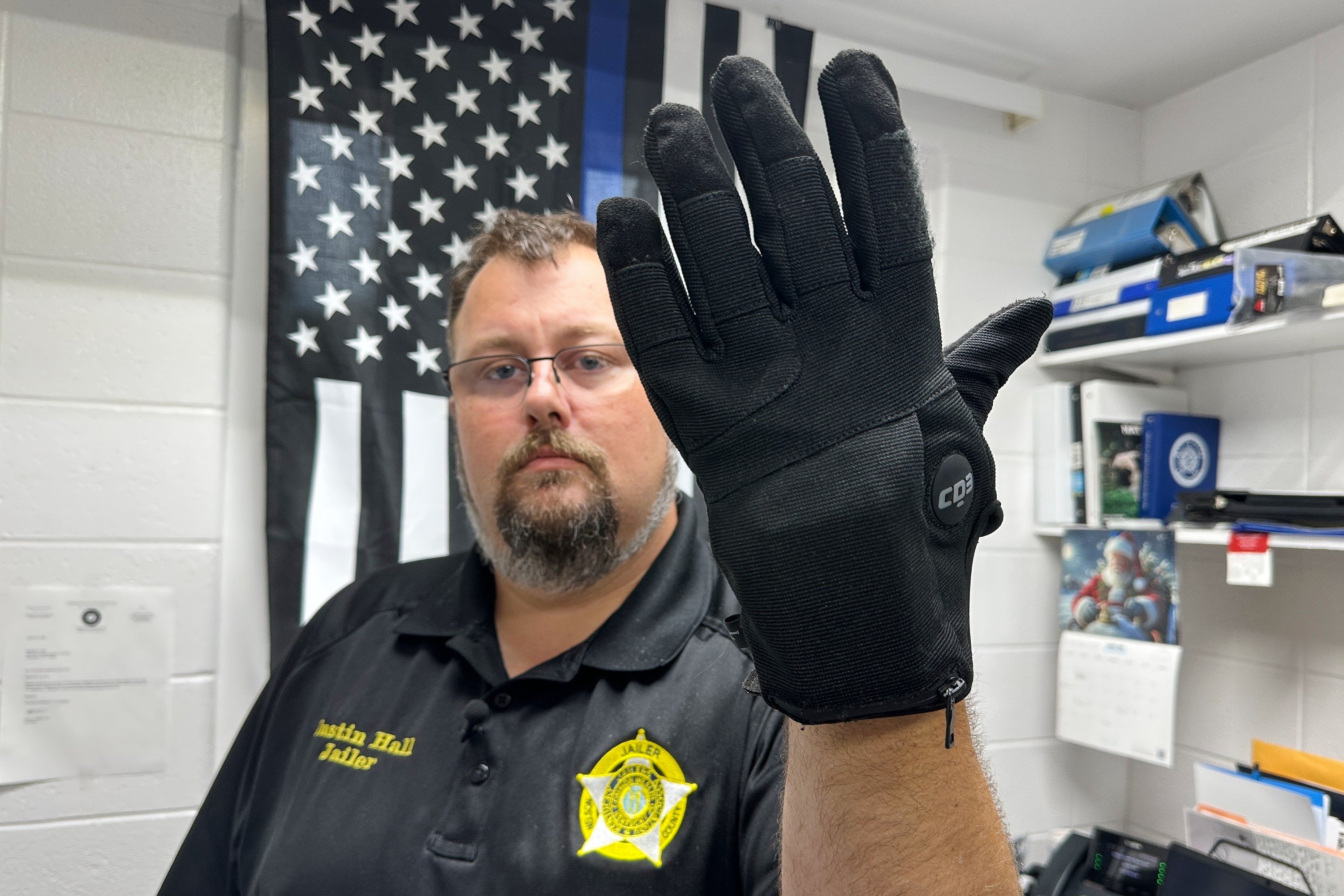
The U.S. Immigration and Customs Enforcement agency is moving forward with a plan to spend up to $20 million on gloves capable of delivering painful electric shocks, a decision that has drawn sharp rebuke from Democratic lawmakers and civil rights advocates. According to a recent Department of Homeland Security notice, the gloves—officially named the Generated Low Output Voltage Emitter—can incapacitate a grown man with a one-second shock at the push of a button.
White House border czar Tom Homan defended the purchase on “Fox & Friends,” framing the gloves as a tool to avoid lethal force. “It’s another device to help someone get compliant when they are not,” he said. But critics argue the devices are a new low in ICE’s “campaign of cruelty,” enabling brutality while evading accountability.

Manufacturer's claims vs. ICE's record
The manufacturer markets the gloves as a “de-escalation device,” but ICE’s history of aggressive tactics—including kicks, punches, chemical irritants, and prohibited chokeholds—suggests otherwise. The agency has fatally shot at least three U.S. citizens: Alex Pretti, Renee Good, and Ruben Ray Martinez. With shock gloves, agents gain a new means to inflict pain on anyone they suspect of being in the country illegally.
The gloves’ own training manual carries a red warning label, noting that improper use may result in injury or death. The manufacturer advises against using them on children, pregnant women, the elderly, or disabled people—yet ICE regularly encounters individuals in these high-risk categories. People with hidden conditions like epilepsy or heart disease are especially vulnerable, and ICE’s disproportionate targeting of Latinos, a demographic with high rates of cardiovascular disease, raises the likelihood of serious medical incidents.
‘Low optics’ design raises accountability concerns
The gloves were specifically designed to be “low optics,” meaning their use is less visible than other policing methods. Promotional materials boast that they “look better to those witnesses” and are “conducive to not leading to lawsuits.” Because the shocks leave no burns or marks, there is little to prevent agents from using them repeatedly or on a person who has already been subdued—or multiple agents shocking a single individual simultaneously.
Why does ICE need more weapons?
ICE is already heavily armed, with firearms, pepper spray, and batons. In 2025, ICE and Customs and Border Protection plan to spend $144 million on guns, ammunition, and “less lethal” weapons, according to a February report by Sen. Adam Schiff (D-Calif.). Weeks later, the administration announced plans to purchase more than 17,000 tasers for another $220 million. The new shock gloves seem redundant at best, dangerous at worst.
Legal and oversight concerns
The use of shock gloves may violate the Eighth Amendment’s ban on cruel and unusual punishment and constitutional due process guarantees. New York’s governor and attorney general have both criticized the gloves, suggesting they could run afoul of state and civil rights laws. Meanwhile, the administration has gutted ICE’s internal watchdogs, leaving the agency with little oversight.
In a statement, DHS claimed ICE needs the tools to “safely arrest and remove criminal illegal aliens.” But about 70 percent of people in immigration detention have no criminal convictions. The administration’s rationale appears disconnected from ICE’s actual enforcement practices.
Public sentiment is turning against the agency. The president’s approval ratings are falling, and a majority of voters disapprove of how ICE operates. Rather than empowering a rogue agency with more weapons, lawmakers should be reining it in. The shock gloves are dangerous, inhumane, and unnecessary—and ICE does not deserve them.