Boris Pasternak's "Doctor Zhivago" is a masterwork of literature, but its journey to publication is a story of defiance against state censorship. Banned in the Soviet Union for its critique of Stalin, collectivization, and the gulag, the manuscript was smuggled to Italy and published despite Kremlin protests. The CIA even distributed copies to undermine Soviet propaganda. Pasternak won the Nobel Prize—but was vilified at home. A Bill Mauldin cartoon captured the absurdity: two prisoners in a Soviet camp, one says, "I won the Nobel Prize for literature. What was your crime?"
That dystopian scenario feels uncomfortably close to home as America veers toward its own version of artistic suppression. The battleground is Christopher Nolan's upcoming film, The Odyssey, an adaptation of Homer's epic with a diverse cast that has sparked outrage from politicians and right-wing influencers, including Elon Musk. Critics have zeroed in on Lupita Nyong'o playing Helen of Troy—a fictional character, yet some are furious that she doesn't match their imagined image. Zendaya is cast as Athena, the goddess of wisdom. The crew includes Korean-American, British-Indian, and Colombian-American actors. Rumors that transgender actor Elliot Page might play Achilles have further inflamed conservatives, even if the rumor proves false.
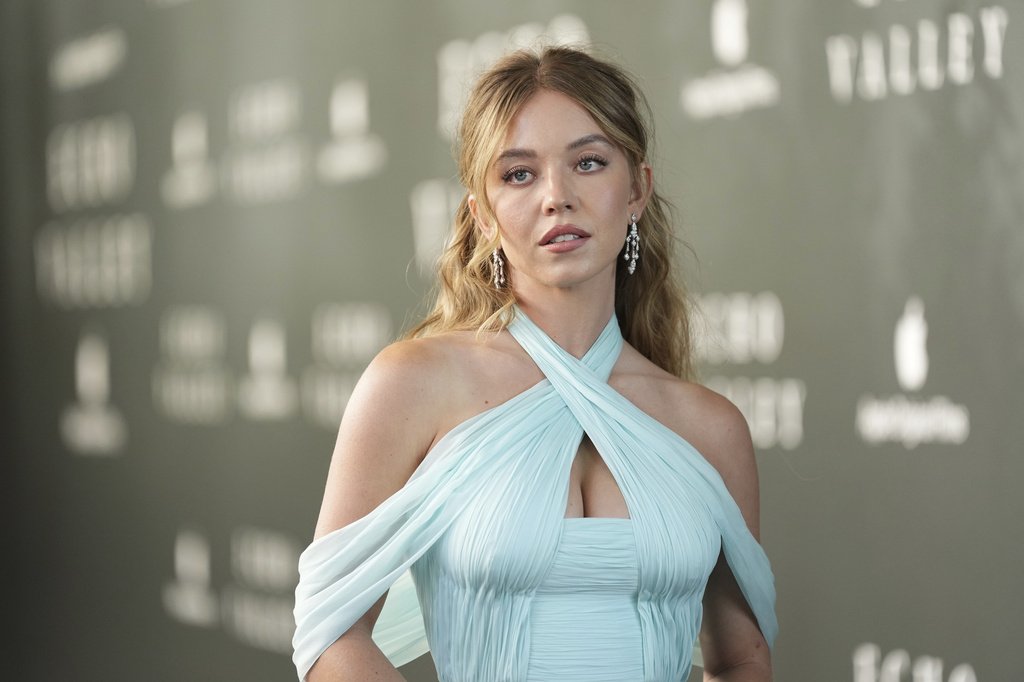
This isn't a new phenomenon. Left-leaning audiences have also threatened boycotts over casting choices they deem insufficiently diverse or politically correct. The Devil Wears Prada 2 drew fire from Asian critics over a minor character's name. Society has erupted over the skin color of elves, dwarves, and hobbits; over women in action movies; over interracial couples; over Black women appearing anywhere. Conversely, there's outrage if an actress is a Republican (see Sydney Sweeney), or if a Korean actor plays a Chinese character, or if the "wrong" type of Latino is cast in West Side Story.
The real question is whether this outrage will translate into government control over art. It already has. Since 2021, over 23,000 books have been banned from public schools. The Trump administration changed National Endowment for the Arts grant guidelines to limit DEI and gender ideology—broadly interpreted to target anything it dislikes. The Academy of Motion Pictures now has DEI requirements for Best Picture eligibility. Could the government impose similar ideological litmus tests on films?
Nolan's previous film, Oppenheimer, was criticized for being too white and male, for not showing Japanese suffering, and for suggesting that dropping atomic bombs on civilians was bad. Yet Nolan made the film he wanted; it was a critical and box office success. Good art pleases either critics or the public; great art pleases both. The campaigns by Musk, Sweeney-haters, and others to limit artistic expression must stop. We are sliding toward a figurative gulag for creators.
Let artists be artists. Judge the final result. Then we can appreciate their odyssey.