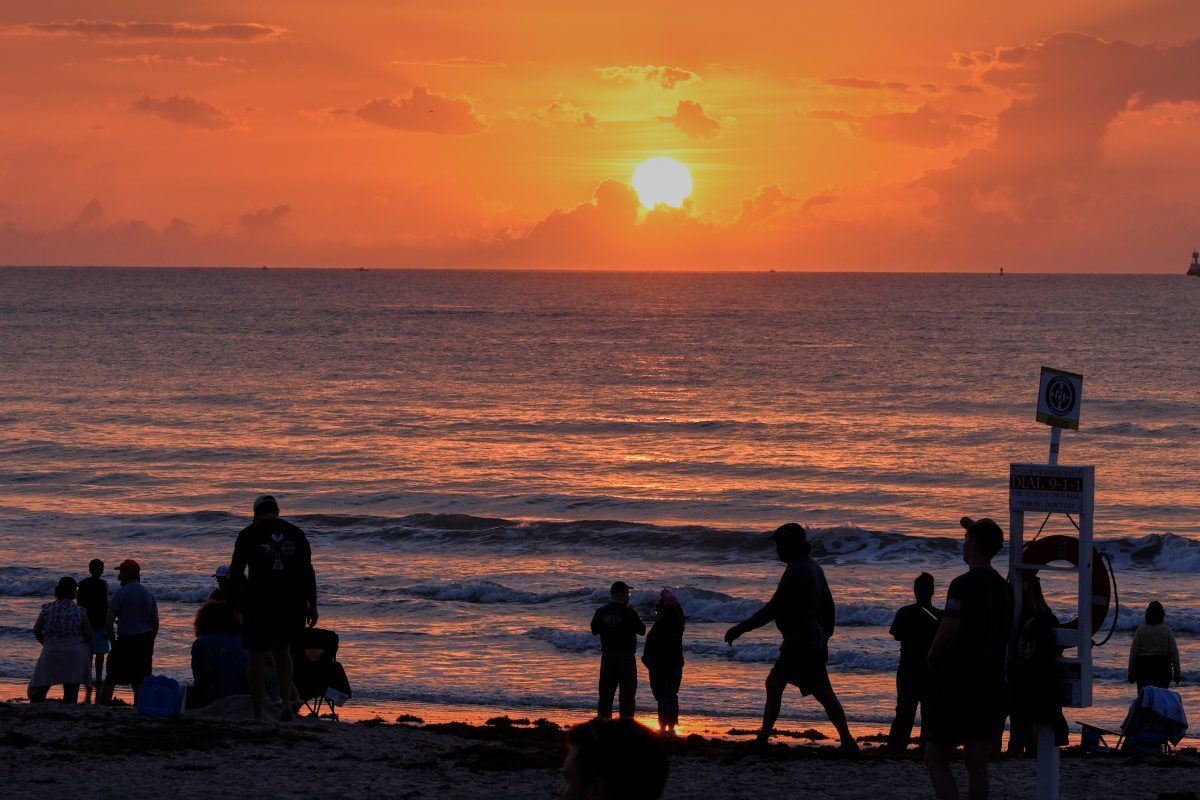
A renewed push in Congress to make standard time permanent is drawing fresh attention to the trade-offs of the nation's timekeeping policies, particularly the prospect of sunrises before 5 a.m. during the summer months.
The Sunshine for Our Kids Act of 2026, introduced in the House, would lock the clocks on standard time year-round. The bill, still pending in the House Committee on Energy and Commerce as of late August, represents an alternative to the more widely discussed permanent daylight saving time. Under its current language, states would retain the option to adopt permanent daylight saving time, a flexibility that current law does not provide.

Proponents of permanent standard time, including several health organizations and sleep researchers, argue that aligning our daily schedules with natural light cycles improves sleep, mood, and overall health. They point to studies linking daylight saving time to increased risks of heart attacks, strokes, and traffic accidents in the days following the spring shift.
Opponents, however, highlight a less-discussed consequence: the effect on summer evenings. If standard time becomes permanent, the sun would rise earlier and set earlier, meaning many regions would see daylight fading well before 8 p.m. in July. For those who enjoy long summer evenings, that could be a significant cultural shift.
The debate is not new. Lawmakers have repeatedly introduced bills to end the twice-yearly clock changes, with the Senate passing a permanent daylight saving measure in 2022 that later stalled in the House. More recently, President Trump has renewed his push for permanent daylight saving time, but he has faced resistance from Senate Republicans who cite health and logistical concerns.
A key sticking point is the regional disparity in how time changes affect daylight. In the Pacific Northwest, for instance, permanent standard time would push sunrises to around 4:30 a.m. in June, while in the Northeast, cities like Boston would see sunrises near 4:10 a.m. Conversely, states like Hawaii and Arizona, which already opt out of daylight saving, would see no change.
The Sunshine for Our Kids Act, if enacted, would also affect the timing of summer sunsets, which many Americans associate with evening outdoor activities. Under permanent standard time, the latest sunset in most of the country would be around 7:30 p.m., a noticeable difference from the 8:30 p.m. or later sunsets we enjoy today.
Health experts counter that the benefits of morning light outweigh the loss of evening sun. "Our circadian rhythms are more attuned to morning light," says Dr. Sarah Johnson, a sleep specialist. "Standard time is more aligned with our biology."
As the bill remains in committee, its fate is uncertain. But the debate highlights a fundamental question: should we prioritize health and morning light, or preserve our cherished summer evenings? The answer may ultimately depend on which states and which regions have the loudest voices in Congress.