America is locked in a political battle over who can manage its skies, build its roads, and serve in its military. On June 10, a coalition of 20 state attorneys general filed a federal lawsuit in Maryland to block a March executive order targeting diversity, equity, and inclusion in federal contracting. The order requires universities, transit systems, and defense contractors to certify they've eliminated what the administration calls "racially discriminatory DEI activities" or risk losing federal funding.
Meanwhile, Defense Secretary Pete Hegseth has intervened in Navy and Air Force promotion lists, blocking or delaying more than a dozen senior officers—many of them women and people of color—while framing his actions as a purge of DEI influence. In hearings, senior defense figures have warned that a "DEI agenda" introduces race- and sex-based quotas that undermine merit and readiness.

This crusade relies on a post-truth narrative that diversity initiatives are inherently discriminatory and erode merit. But when complex systems fail, diversity is blamed before empirical facts arrive. This isn't evidence-based policy; it's a political dodge to hide severe, unglamorous failures across America's critical infrastructure. We have the data to prove it.
The Potomac Collision: A Case Study in Misplaced Blame
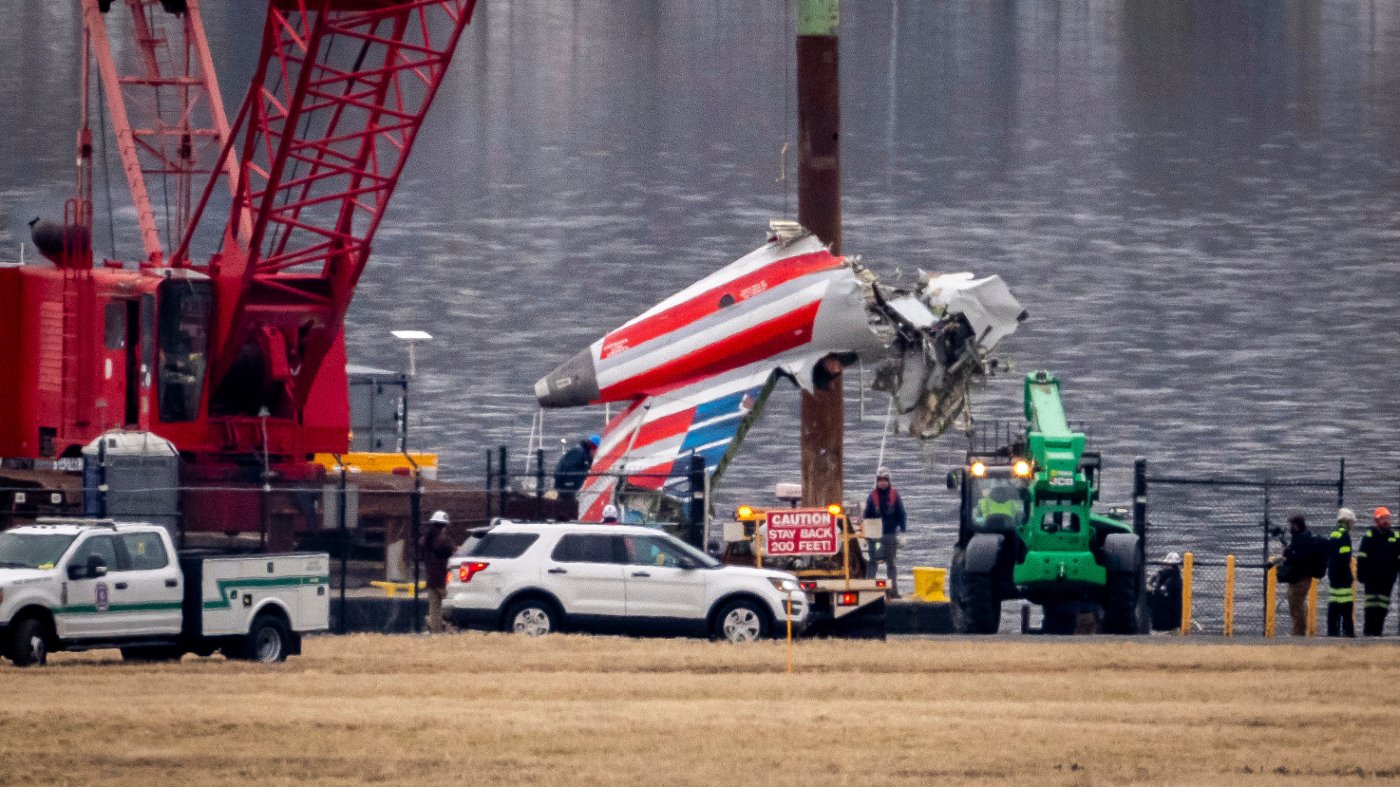
When an American Airlines passenger jet and a U.S. Army helicopter collided over the Potomac River, senior officials rushed to blame DEI hiring at the Federal Aviation Administration. But the National Transportation Safety Board's final report found deep systemic failures: a helicopter route that funneled Black Hawks beneath an active approach corridor without safeguards, aircraft lacking collision-avoidance technology, and poor oversight. Diversity initiatives were nowhere in the chain of causation.
Baltimore Bridge Collapse: Same Playbook
After Baltimore's Francis Scott Key Bridge collapsed, commentators and politicians immediately pointed at equity initiatives, as if inclusion policies could steer a cargo ship into a support column. Federal investigators focused on mechanical navigation failures, power loss, and decades of unaddressed structural vulnerabilities.
When politicians insist diversity is the primary threat to our skies, roads, and military readiness, they're executing a dangerous shell game. Consider domestic air travel this summer: controllers at major hubs are working mandatory six-day weeks, while federal aviation officials lower staffing targets and acknowledge a severe shortage of trained controllers. The real dangers—staff vacancies, burnout, outdated radar systems, and eroded infrastructure investment—continue to worsen.
None of this means every diversity initiative is beyond critique. Equity efforts can be poorly designed. But there's a vast difference between debating fair hiring systems and insisting, without evidence, that those systems cause bridges to fall or planes to collide. The first is a necessary conversation about institutional learning; the second is a cynical way to avoid it.
The investigative record points away from culture-war ghosts and back to the unglamorous realities of governance. We can't afford a political environment that fights imaginary diversity demons instead of confronting crumbling systems that put American lives at risk. The next time a leader blames diversity for a failure, ask: What are they hoping we won't notice while we argue about the wrong thing?
Donathan L. Brown, Ph.D., is an associate professor at Northeastern University and author of five books on civil rights and public policy. For more on how politicians exploit false crises, read our analysis of health scares and the GOP's pressure on the ABA.