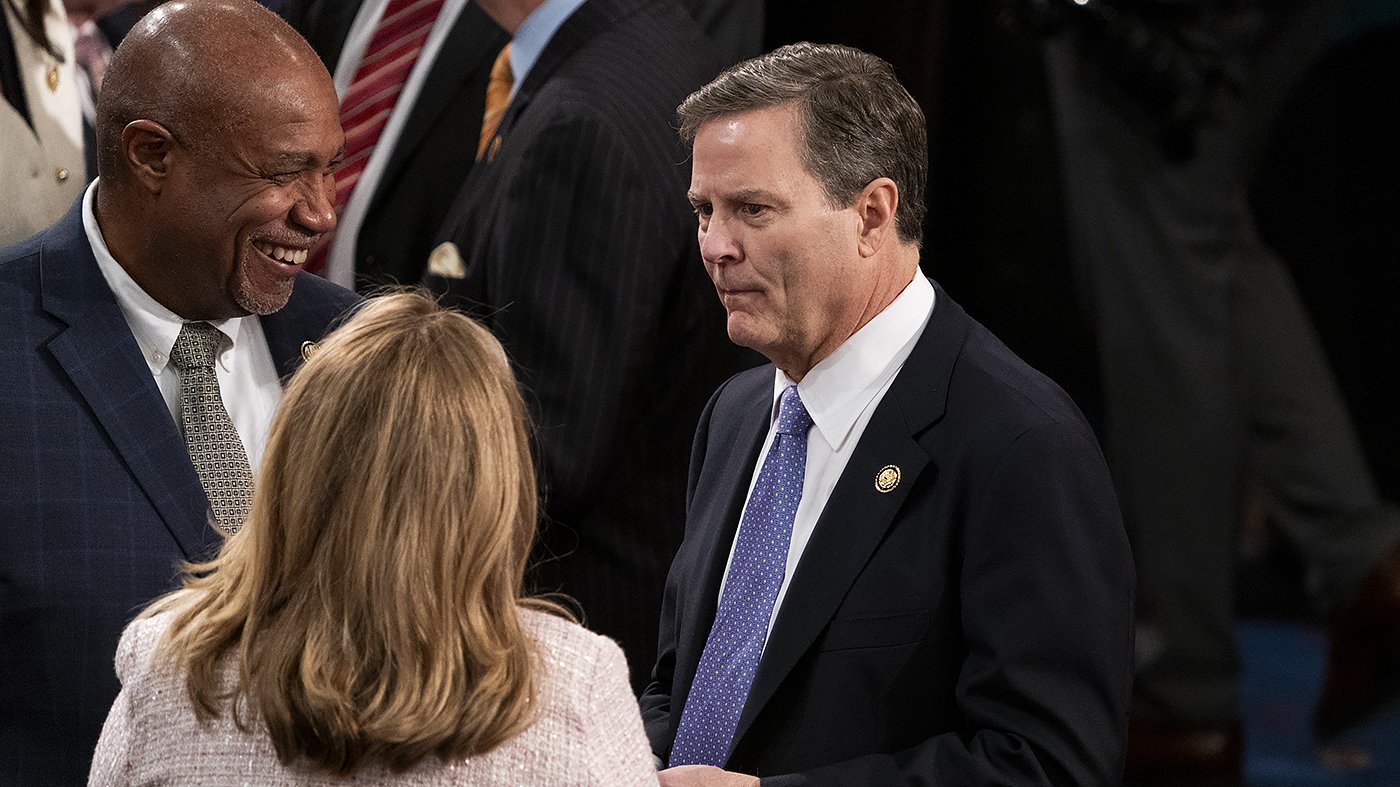
The Faster Labor Contracts Act (FLCA) is poised for a House vote after a discharge petition from Rep. Donald Norcross (D-N.J.), with broad Democratic support and backing from several Republicans. Rep. Brian Fitzpatrick (R-Pa.) assured the Teamsters union the bill would pass, calling it “a guarantee.” But for working Americans, this legislation would be a setback, replacing free negotiation with edicts from government-appointed arbitrators.
More Than 90 Years of Bargaining at Risk
Since the 1930s, federal law has required employers to bargain in good faith with unionized workers over wages, hours, and conditions. The result is a collective bargaining agreement—a contract forged through compromise and mutual consent. Landmark deals between the Teamsters and UPS, or the United Auto Workers and the Big Three automakers, exemplify this process. But unions now argue the system is stacked against them, claiming workers wait too long for first contracts. The FLCA’s fix: if no deal is reached within 120 days, a government arbitrator imposes wages, benefits, schedules, and work rules.

A Misnamed Bill with Coercive Consequences
Supporters frame the FLCA as procedural tweak, but it’s a fundamental shift. The bill’s title is deceptive: what emerges from compulsory arbitration isn’t a contract—it’s government regulation. Real contracts require voluntary agreement; the FLCA forces terms neither side may want. As Thomas Beck, former chairman of the Federal Labor Relations Authority, notes, this undermines the legitimacy and durability of labor agreements.
Why Negotiations Take Time
Advocates blame employer obstruction for lengthy talks, but first contracts involve complex issues—health benefits, overtime, layoff rules, discipline standards, and management rights. Rushing these talks risks bad outcomes. “The Faster Labor Contracts Act disempowers workers,” Beck argues. “It replaces workplace democracy with government disenfranchisement.”
Constitutional and Practical Flaws
The bill also raises constitutional red flags. Arbitrators are federal agents, making their decisions “state action” that could infringe on Fifth Amendment property rights and Fourth Amendment protections. Granting unions access to private workplaces or imposing “mutual respect” clauses may violate free speech. Worse, the FLCA gives arbitrators unchecked power with no court oversight or political accountability—a scenario Beck likens to the government forcing a car buyer to accept terms from a stranger with no appeal.
What’s at Stake for Workers
Ironically, the bill undercuts the worker empowerment it claims to champion. Arbitrators, unfamiliar with employees’ preferences, could impose pay systems or schedules workers reject. That’s not empowerment; it’s coercion. As the Teamsters’ recent political maneuvering shows, union influence doesn’t always align with members’ interests. The FLCA would make that disconnect permanent.
For more on how federal policy affects workers, read about the bipartisan tax cut bill aimed at easing the affordability crisis. Meanwhile, the FLCA’s march through Congress highlights a broader debate: should government override collective bargaining in the name of speed? Critics say the answer is no—and that the bill’s flaws outweigh its promises.