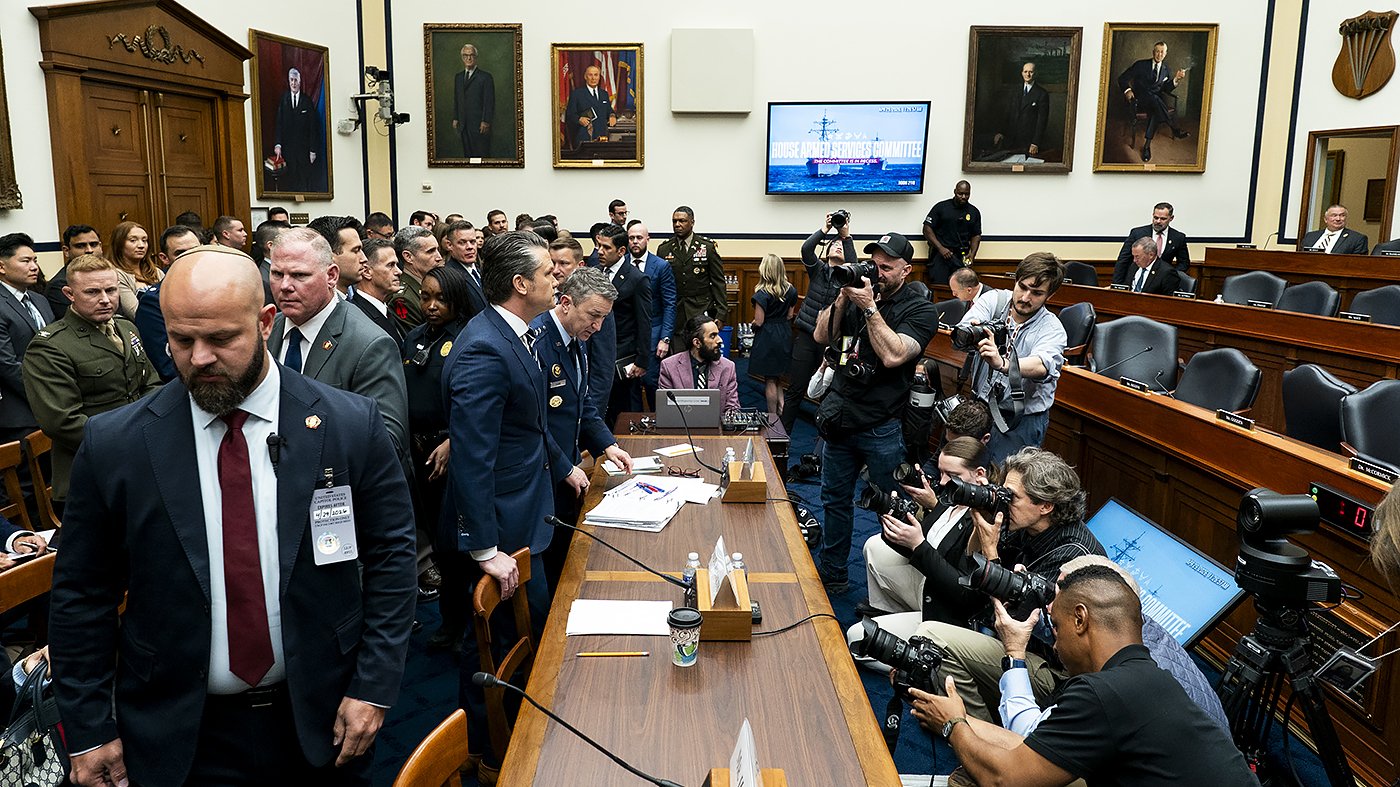
The House Armed Services Committee released a sweeping defense policy bill Tuesday that would impose new restrictions on President Trump's ability to reduce U.S. troop levels in Europe and South Korea and block construction of his signature Trump-class battleship until the Navy certifies the technology is mature enough.
The 505-page National Defense Authorization Act (NDAA) draft responds directly to Trump's sudden order to withdraw 5,000 troops from Germany and the Pentagon's decision to pause a planned rotation of 4,000 service members to Poland, as well as reduce the U.S. military footprint in Romania without notifying Congress. Lawmakers from both parties have criticized these moves as undermining NATO and sending the wrong signal to Russia.
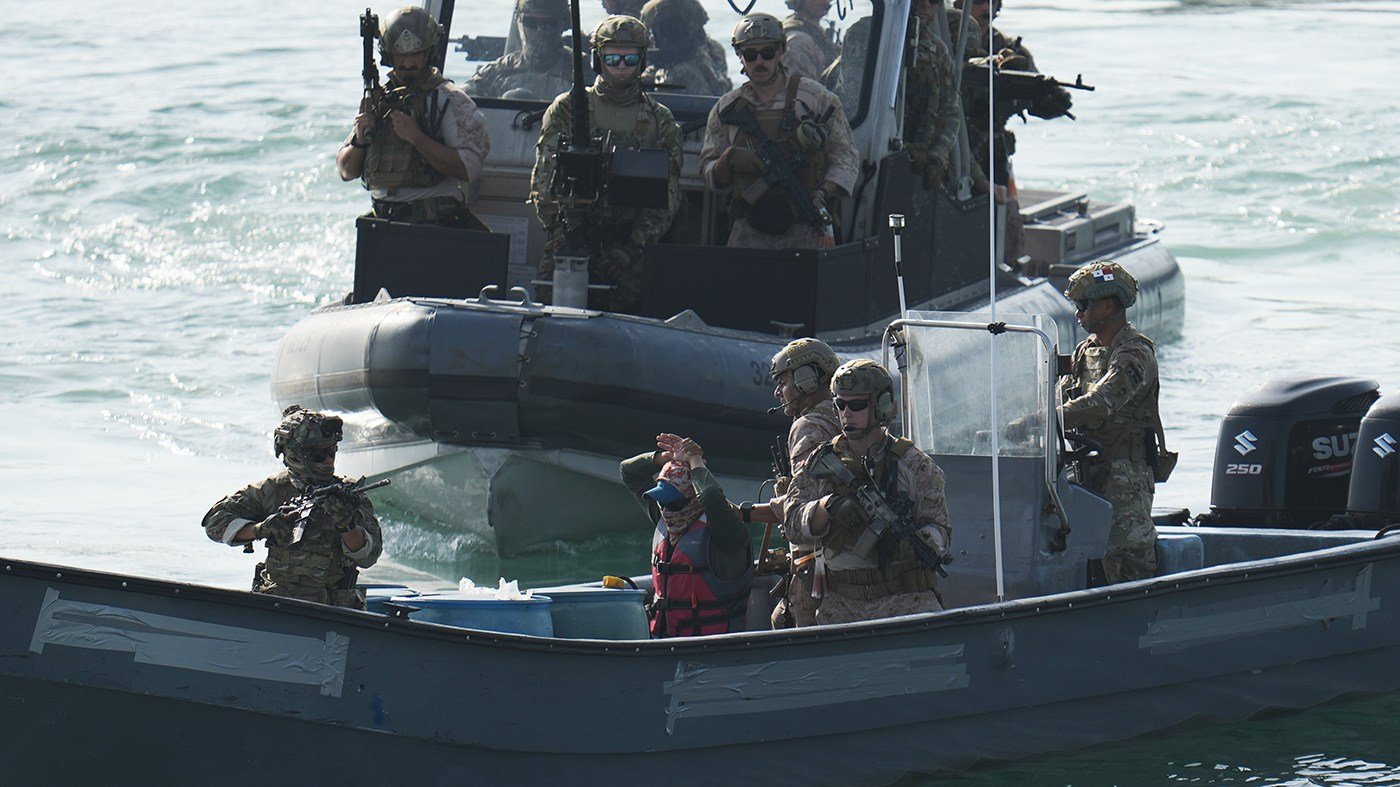
The bill extends restrictions from last year's NDAA that maintain a minimum of 76,000 U.S. troops in Europe and 28,500 in South Korea. It also prohibits the administration from removing more than $500,000 in military technology from Europe and bars Trump from eliminating the role of Supreme Allied Commander Europe, one of NATO's top strategic commanders. If the Pentagon wants to reduce troop levels further, it must explain why it cannot reposition forces to NATO's eastern flank.
House lawmakers specifically noted “with great concern” the delayed troop rotation to Poland, pointing to a 60-day notification requirement that was ignored. The language reflects growing bipartisan frustration over Trump's use of the military as leverage in diplomatic disputes, particularly with allies he accuses of not contributing enough to the U.S.-led campaign against Iran.
Trump has often complained that NATO allies, South Korea, Japan, and Australia are not helping with Iran, and has floated redeploying troops to more cooperative nations. Administration officials recently told allies that the U.S. plans to reduce the number of bombers, fighter jets, drones, submarines, and warships dedicated to NATO, though no timeline has been set.
The NDAA also takes aim at Trump's prized Trump-class battleship project, barring construction of the first ship until the Navy certifies it has achieved a “sufficiently mature technology readiness level.” The nuclear-powered vessel, part of a planned “Golden Fleet,” is expected to cost more than $43 billion for the first three ships and would be equipped with guns, missiles, hypersonic weapons, and high-powered lasers. Trump has boasted the ships would be “the fastest, the biggest and by far, 100 times more powerful than any battleship ever built.”
The bill also preserves the Pentagon's requested base budget of nearly $1.15 trillion for 2027 and makes no mention of renaming the Department of Defense to the “Department of War,” as Trump attempted via executive order in September. The Pentagon has asked Congress to codify the change, estimating it would cost nearly $52 million. Defense Secretary Pete Hegseth and most Republican lawmakers have referred to the department as the War Department, and the administration has swapped official websites and social media accounts to reflect the name.
The House Armed Services Committee is set to mark up the bill on June 4, where lawmakers could add an amendment to codify the name change. The legislation ultimately must pass both chambers and be signed into law.