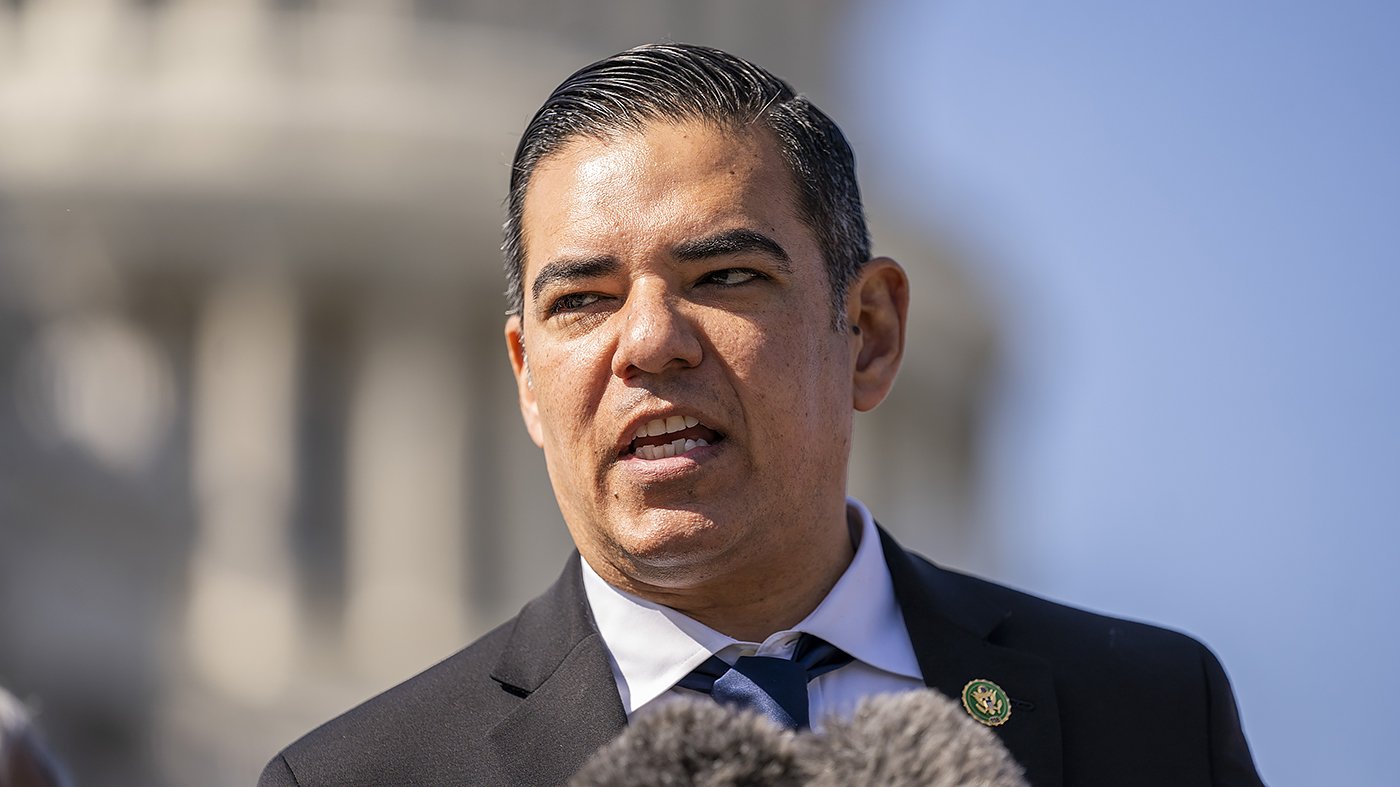
House Democrats on the Oversight and Government Reform Committee are escalating their scrutiny of the Trump administration, demanding answers from White House chief of staff Susie Wiles about reported discussions to suspend habeas corpus for undocumented immigrants. In a letter sent Wednesday, the committee's top Democrat, Rep. Robert Garcia of California, requested internal communications and records related to the controversial proposal.
The inquiry stems from reporting in The New York Times, excerpts of which appear in the book “Regime Change: Inside the Imperial Presidency of Donald Trump” by journalists Maggie Haberman and Jonathan Swan. According to the report, White House deputy chief of staff Stephen Miller suggested suspending habeas corpus—a centuries-old legal right that allows detained individuals to challenge the legality of their confinement in court.
Congress Holds Sole Power to Suspend Habeas Corpus
Habeas corpus, enshrined in the Constitution, requires the government to bring a person before a judge and justify their detention with a lawful reason. Only Congress has the authority to suspend the writ, making any unilateral executive action potentially illegal. Garcia emphasized this point in his letter, writing, “A President declaring a suspension of the writ without authorization from Congress would be undoubtedly illegal.”
The Democrat warned that such a move would strip hundreds of immigrants, lawful residents, and even U.S. citizens detained since January 2025 of a fundamental legal defense against arbitrary arrests. “Without it, hundreds of immigrants, lawful residents, and US citizens detained since January 2025 would be deprived of a key legal tool to defend themselves against arbitrary, violent, and racially profiled ICE arrests,” Garcia wrote.
The letter references a broader pattern of concern, noting that the Times reporting “indicates a broader effort to use false narratives to justify violent, authoritarian measures against the American people.” Garcia pointed to the administration's push to limit habeas corpus as an attempt to prevent people from challenging illegal detentions or receiving hearings, allowing ICE to conduct arrests and deportations with impunity.
Democrats Demand Documentation by July 1
Garcia requested that Wiles provide all memoranda, documents, records, and communications related to the proposal, including those from Miller, other White House officials, or Justice Department personnel. The deadline for compliance is July 1. The move comes as House Democrats craft an agenda focused on affordability and anti-corruption, signaling a broader pushback against what they see as executive overreach.
The habeas corpus controversy is part of a larger political battle. Vice President Vance has faced tough questions on immigration enforcement fallout, and Senate Democrats have unveiled a drug pricing plan to counter Trump ahead of the midterms. Meanwhile, the Trump administration has weighed suspending habeas corpus for immigrants, as detailed in the book, fueling Democratic fears of authoritarian tactics.
Garcia's letter underscores the high stakes: “The right of habeas corpus has been enshrined since the beginning of the republic. Habeas corpus is a fundamental aspect of due process, allowing people in the United States to contest the basis of their detention.”