A push by hard-line House Republicans to prohibit the Federal Reserve from issuing a central bank digital currency (CBDC) failed this week, but the fight is far from over. With Congress set to revisit another short-term extension of the Foreign Intelligence Surveillance Act's (FISA) warrantless surveillance powers, conservatives are already plotting their next move to attach the ban to must-pass legislation.
The House initially passed a bill that included the CBDC prohibition as part of a broader FISA reauthorization, but Senate Majority Leader John Thune (R-S.D.) warned such a measure would be “dead on arrival” in the upper chamber. Facing an April 30 deadline, lawmakers ultimately approved a 45-day extension of Section 702 of FISA without the controversial provision, punting the fight to the next round of negotiations.

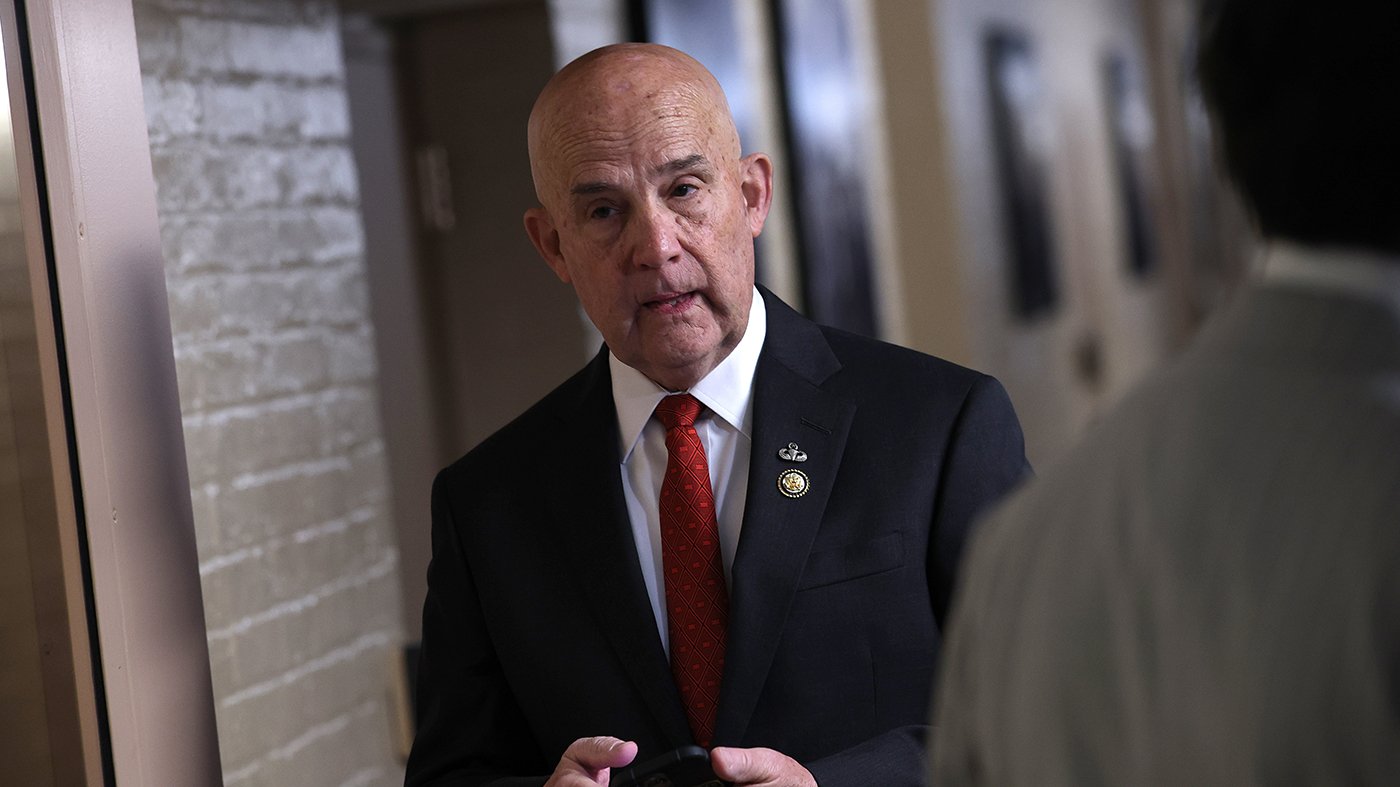
Members of the House Freedom Caucus, who have led the charge against a digital dollar, signaled they are undeterred. “I am positive that CBDC is still alive. We’ve got FISA now still alive. CBDC can still make it across the finish line,” Rep. Keith Self (R-Texas) said at a press conference Thursday. “Let’s just push on. The Senate will respond to the people if they push hard enough.”
Rep. Scott Perry (R-Pa.), another Freedom Caucus member, argued that his constituents fear government overreach. “They don’t want the government monitoring their bank accounts, telling them what they can buy, when they can buy it, and when they’re not allowed to buy,” Perry said. He added, “We’re up to the task. We’ll get right back to the grindstone.”
The prospect of a government-issued digital token has long alarmed conservatives, who warn it could enable unprecedented surveillance of Americans’ financial transactions. The Federal Reserve issued a study on CBDCs in 2022, but outgoing Chair Jerome Powell has said the central bank will not issue one during his tenure. Kevin Warsh, expected to succeed Powell, has also expressed opposition.
This is not the first time the CBDC ban has sparked intra-party conflict. Last July, the House passed a bill banning CBDCs as part of a “crypto week” package, but hard-line Republicans nearly derailed the entire effort by tanking a procedural vote. GOP leaders eventually added the ban to the National Defense Authorization Act (NDAA), a must-pass bill that could have sent it to President Trump’s desk, but it was stripped from the final defense bill in December.
The issue resurfaced earlier this year during negotiations over a housing bill, where some conservatives argued that a Senate provision banning the Fed from issuing a CBDC through 2030 was insufficient. Rep. Anna Paulina Luna (R-Fla.) told The Hill, “CBDCs are bad for everyone. You never want to have the government be able to just shut off your access to financials.”
While the crypto industry broadly supports a ban on government-issued digital tokens, it has not been a top priority compared to passing comprehensive digital assets legislation. Still, Rep. Eric Burlison (R-Mo.) called FISA “the perfect vehicle” for the ban, describing a CBDC as “the ultimate spy tool or power grab from the federal government.”
As the 45-day extension ticks down, the clash over both FISA and the CBDC ban is set to intensify. Senate GOP leaders have warned that internal House infighting could jeopardize the party’s midterm prospects, but conservatives show no signs of backing down.