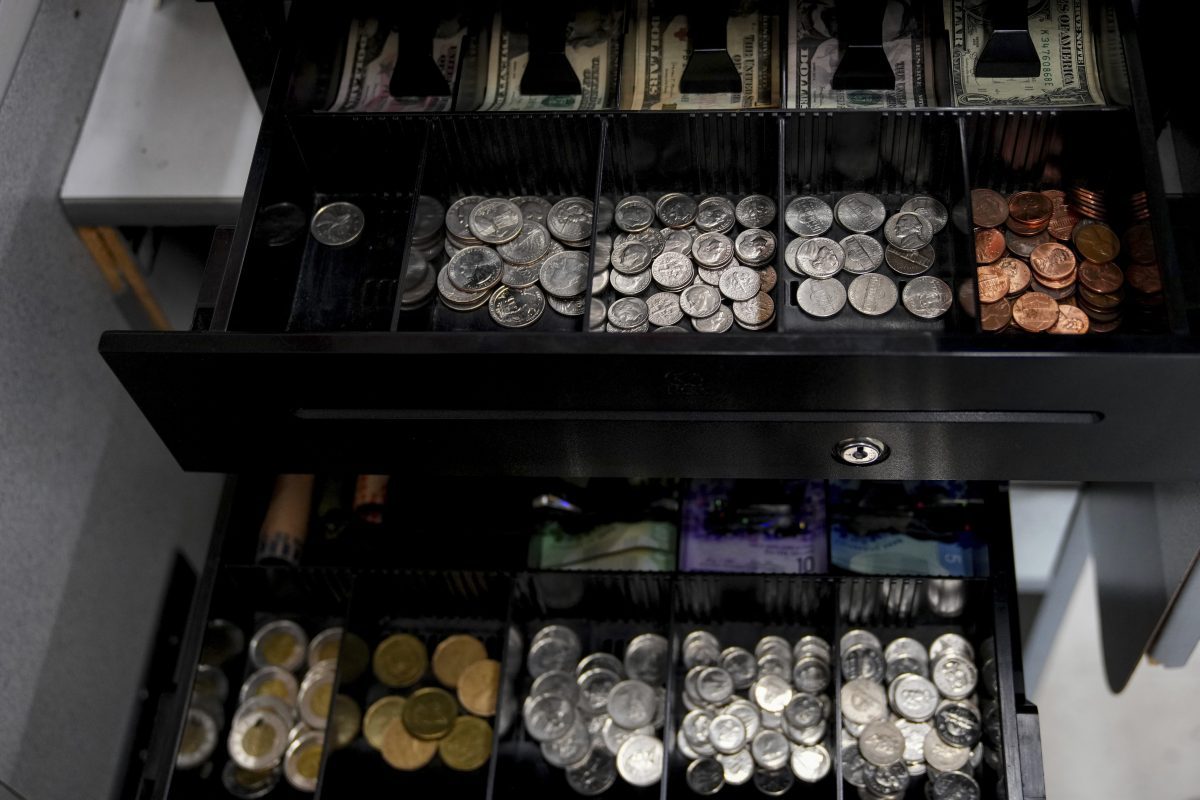
The U.S. House of Representatives on Monday passed the latest iteration of the Common Cents Act, a bipartisan measure that would effectively end the penny's role in American commerce. The bill, approved by voice vote, now heads to the Senate, which already passed an identical version last month with unanimous consent.
The legislation directs the Treasury Department to cease minting new pennies, a step that has been under discussion for years as the coin's production cost continues to exceed its face value. It also includes a provision that would require cash transactions to be rounded to the nearest nickel, a move that would eliminate the need for pennies in everyday purchases.

This version of the bill differs from an earlier House proposal that also sought to stop penny production but did not explicitly address the coin's discontinuation. The new language makes the intent clear: the penny is on its way out, and the nickel will become the smallest unit of currency for cash payments.
The bill's passage comes as the U.S. Mint has already halted penny production for nearly a year, a de facto pause that has left retailers and consumers wondering about the coin's future. Lawmakers backing the measure argue that the penny has outlived its usefulness, citing the rising cost of materials and the inconvenience of handling the coin.
Supporters of the bill point to the success of similar rounding policies in other countries, such as Canada and Australia, which have eliminated their lowest-denomination coins without major disruption. They also note that electronic transactions, which are not subject to rounding, would remain unaffected, preserving precision for digital payments.
Opponents, however, have raised concerns about the impact on low-income households and charities, which often rely on penny drives and donations. Some also worry that rounding could lead to slight price increases if retailers choose to round up rather than down, a practice that consumer advocates have warned against.
The bill's movement through Congress comes amid broader discussions about the efficiency of the U.S. coinage system. The nickel itself has faced scrutiny, as its production cost also exceeds its face value, though the Common Cents Act does not address the nickel's future. Instead, it focuses solely on the penny, leaving the nickel as the smallest coin in circulation.
If signed into law, the Treasury would have a transition period to phase out penny production, and the Federal Reserve would gradually withdraw pennies from circulation. The rounding requirement would apply only to cash transactions, ensuring that credit card and digital payments remain exact.
The House vote adds momentum to a legislative effort that has been building for years. With the Senate already on board, the bill now awaits reconciliation before being sent to the president's desk. Observers note that the bipartisan support suggests a strong likelihood of passage, though the timeline for implementation remains unclear.
For now, the penny remains legal tender, but its days appear numbered. As the U.S. moves closer to a coinless system for small change, the nickel stands ready to take on a more prominent role in Americans' pockets.