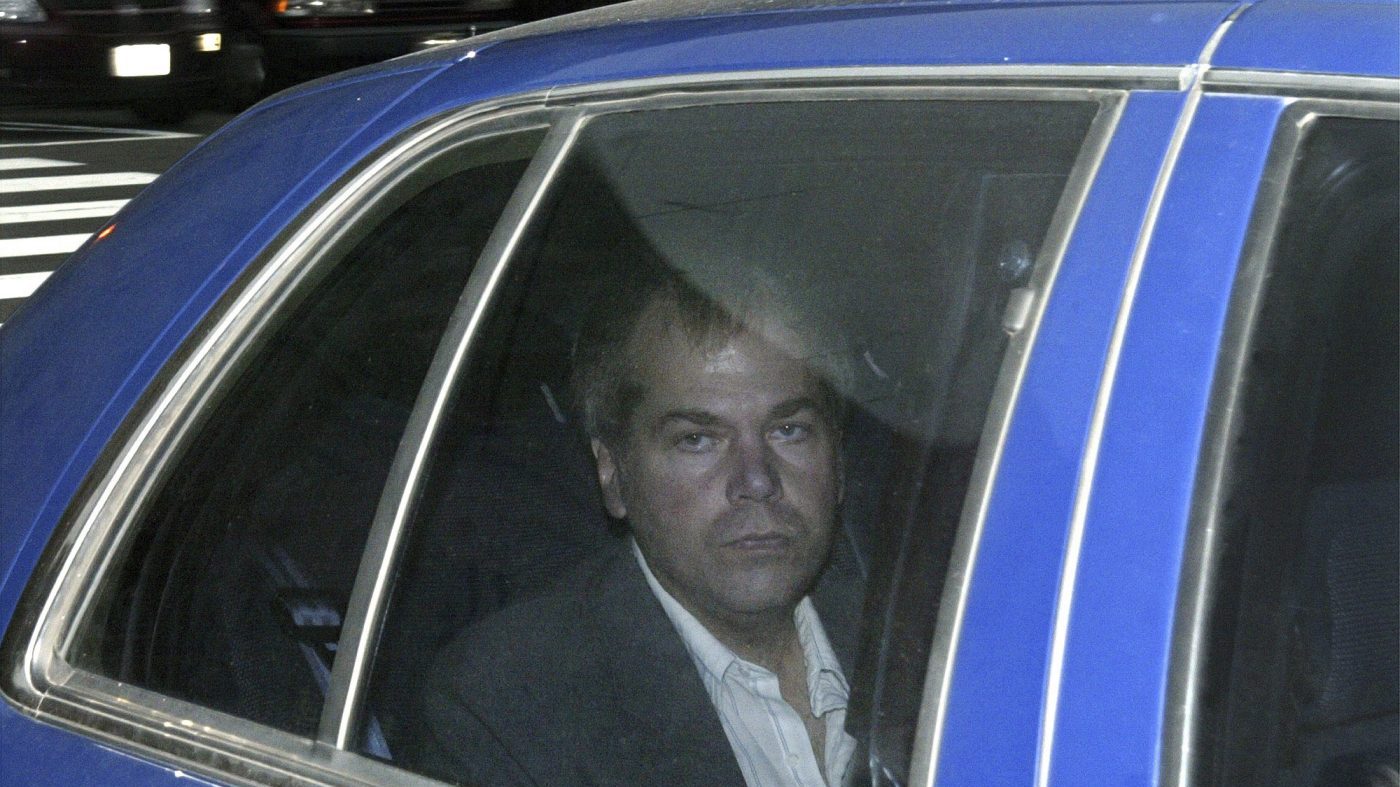
John Hinckley Jr., the man who nearly killed President Ronald Reagan outside the Washington Hilton in 1981, declared the hotel unsafe Sunday following a shooting during the White House Correspondents' Association dinner. Hinckley told TMZ he found it “spooky” that the latest incident occurred at the same venue where his own attack unfolded decades ago.
The Saturday night breach unfolded when an armed man, identified by federal prosecutors as 31-year-old Cole Allen of California, stormed through a security checkpoint on the floor directly above the ballroom where President Trump, Cabinet officials, lawmakers, and journalists were gathered for the annual dinner. Shots were heard in the lobby, prompting Secret Service agents to rush the president and other dignitaries offstage. No injuries were reported, and Allen was arrested at the scene.
Hinckley did not mince words about the hotel's security posture. “Bad things keep happening” at the Washington Hilton, he said, adding that the venue should “discontinue holding events” because “it’s just not a secure place to hold big events.” He described the hotel’s security as “lax.” The hotel has since defended its protocols, but the incident has reignited questions about safety at high-profile political gatherings.
The echoes of history were impossible to ignore. On March 30, 1981, Hinckley, then 25, opened fire on Reagan as the president exited the Hilton after addressing union members. The shots struck White House press secretary James Brady, Secret Service agent Timothy McCarthy, and D.C. police officer Thomas Delahanty. Reagan underwent emergency surgery; Brady suffered catastrophic brain damage and remained paralyzed until his death in 2014. Hinckley, who believed the assassination would win the affection of actress Jodie Foster, was found not guilty by reason of insanity. He was released from institutional care in 2016 and granted unconditional release in 2022 after apologizing to the Reagan and Brady families and to Foster.
Allen now faces a federal charge of attempting to assassinate Trump, as well as counts related to transporting a firearm across state lines with intent to commit a felony and discharging a weapon during a crime of violence. The case adds to a string of security scares targeting the former president, most notably the July 2024 shooting at a campaign rally in Butler, Pennsylvania, where a bullet grazed Trump’s ear.
Speaking at the White House hours after the shooting, Trump argued the incident underscored the need for a dedicated ballroom at the White House—a project that has faced lawsuits and criticism since the East Wing was demolished to make way for it in October. The Saturday dinner marked Trump’s first attendance at the WHCA gala between his two terms, having previously boycotted the event. He later said he enjoyed the evening and promised the dinner would be rescheduled within 30 days.
The shooting has also fueled partisan debate over security funding. Some Republicans, including Senator John Thune and Representative Mike Johnson, have clashed over Department of Homeland Security appropriations in the wake of the assassination attempt. Johnson has urged the GOP to eliminate the filibuster to push through DHS funding, while Thune has resisted the move.
For veteran observers, the scene at the Hilton brought back grim memories of the Reagan era. A former Secret Service agent who protected Reagan praised the agency’s rapid response in evacuating Trump, drawing a direct line between the two incidents. The parallels between the 1981 and 2025 attacks have dominated cable news and Capitol Hill conversations alike.
As Allen awaits his first court appearance, the Washington Hilton finds itself once again at the center of a national security crisis—and facing pointed criticism from the man who made it infamous.