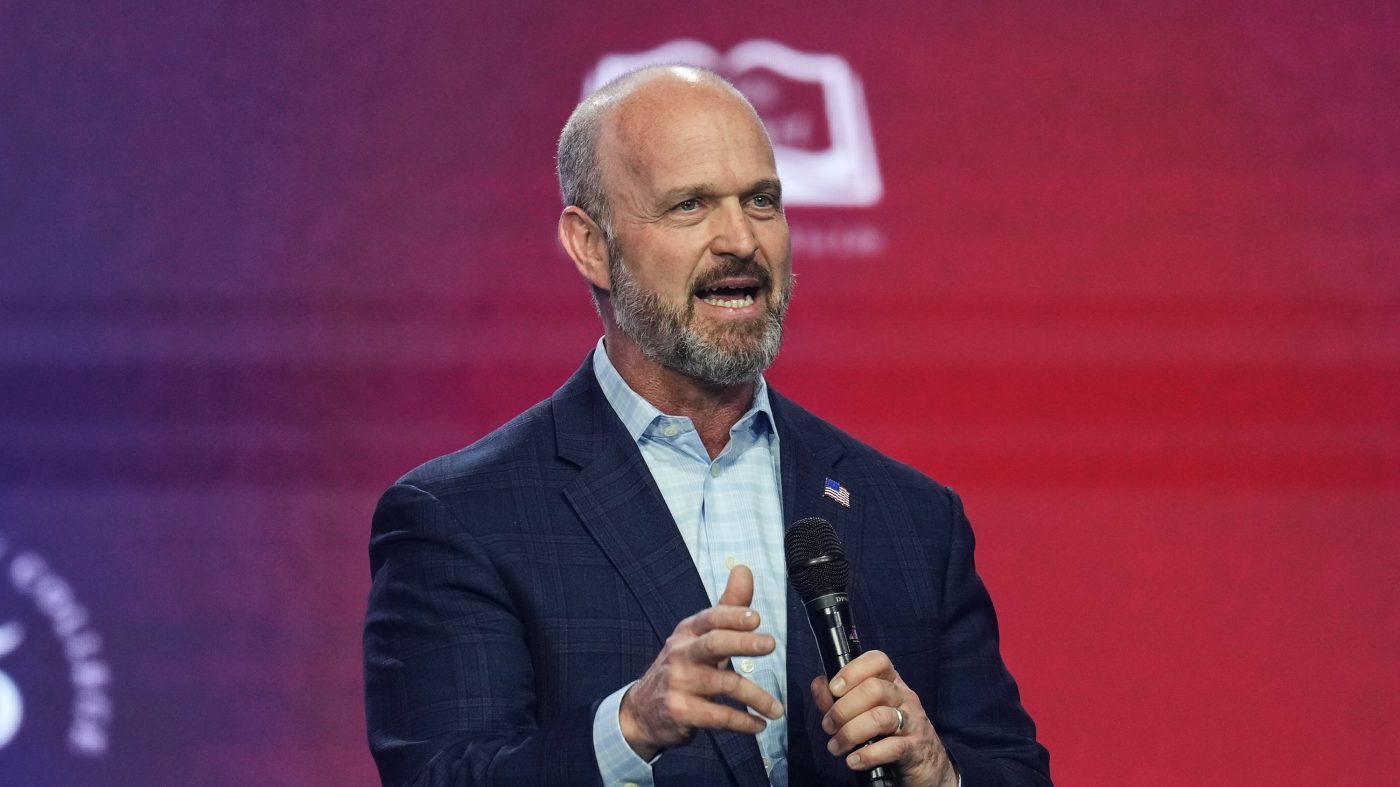
The head of the Heritage Foundation, Kevin Roberts, is publicly criticizing the Republican Party's handling of data center politics during the midterm elections, calling it a significant strategic error that contributed to the party's losses.
In an interview with the Financial Times published Thursday, Roberts said conservatives were "apoplectic about data centers" and that Democrats "did a brilliant job, politically speaking, of taking that issue from the right." His comments come as the GOP grapples with the fallout from a disappointing election cycle.

Data Centers Become a Flashpoint
Data centers emerged as a major political battleground in the midterms, with many Republican candidates facing intense pressure from constituents concerned about the environmental impact, strain on local infrastructure, and rising energy costs associated with these massive facilities. Exit polls indicated that these concerns were a top priority for many voters, and Democrats successfully leveraged the issue to mobilize support.
Former President Donald Trump, however, defended data centers, accusing opponents of wanting the country to become "backwards and poor." This stance put him at odds with a significant portion of the electorate and many GOP candidates on the trail.
Roberts told the Financial Times that ignoring these voter concerns was "an under-appreciated mistake" for the party. He expressed deep skepticism of the tech industry, stating, "These tech companies have lorded over us and feel like they can jam down our throats whatever the hell they want, and you're telling Americans, of all people, that you can do that? At Heritage, we are very circumspect of almost all of these tech giants, because we don't trust them."
Republican Losses in Battleground States
Several Republican candidates in key states attempted to address these concerns, but it was often too little, too late. In Texas, Governor Greg Abbott, who had previously vowed to make the state the "epicenter of AI development," reversed course and proposed new restrictions on data center construction during his reelection bid. Despite this, he lost to Democratic challenger Gina Hinojosa, who made data center restrictions a central theme of her campaign.
The GOP also faced defeats in Ohio, Kansas, and Iowa, where data centers were a major talking point. The midterm rout has sparked a broader debate about the party's future direction.
In the wake of the losses, Senator Josh Hawley (R-Mo.) called on his party to support a nationwide moratorium on data center construction, warning that failure to act could cost them control of the legislature in the next Congress. On the progressive side, Senator Bernie Sanders (I-Vt.) and Representative Alexandria Ocasio-Cortez (D-N.Y.) have proposed similar legislation. Sanders renewed his push after the Democratic victories, writing on social media, "Americans don't want Big Tech oligarchs wrecking the environment, gutting jobs and threatening humanity's future. NATIONAL DATA CENTER MORATORIUM NOW."
Looking Ahead
The debate over data centers is likely to continue, with both parties trying to navigate the complex balance between technological progress and community concerns. As studies show that data centers are not the primary driver of rising power bills, the political discourse may shift, but the issue remains a potent one for voters.
Republicans are now left to reconsider their approach, with some like Roberts arguing that the party must find a way to address legitimate concerns without alienating the tech sector. The outcome of this debate could shape the party's platform heading into the next election cycle.