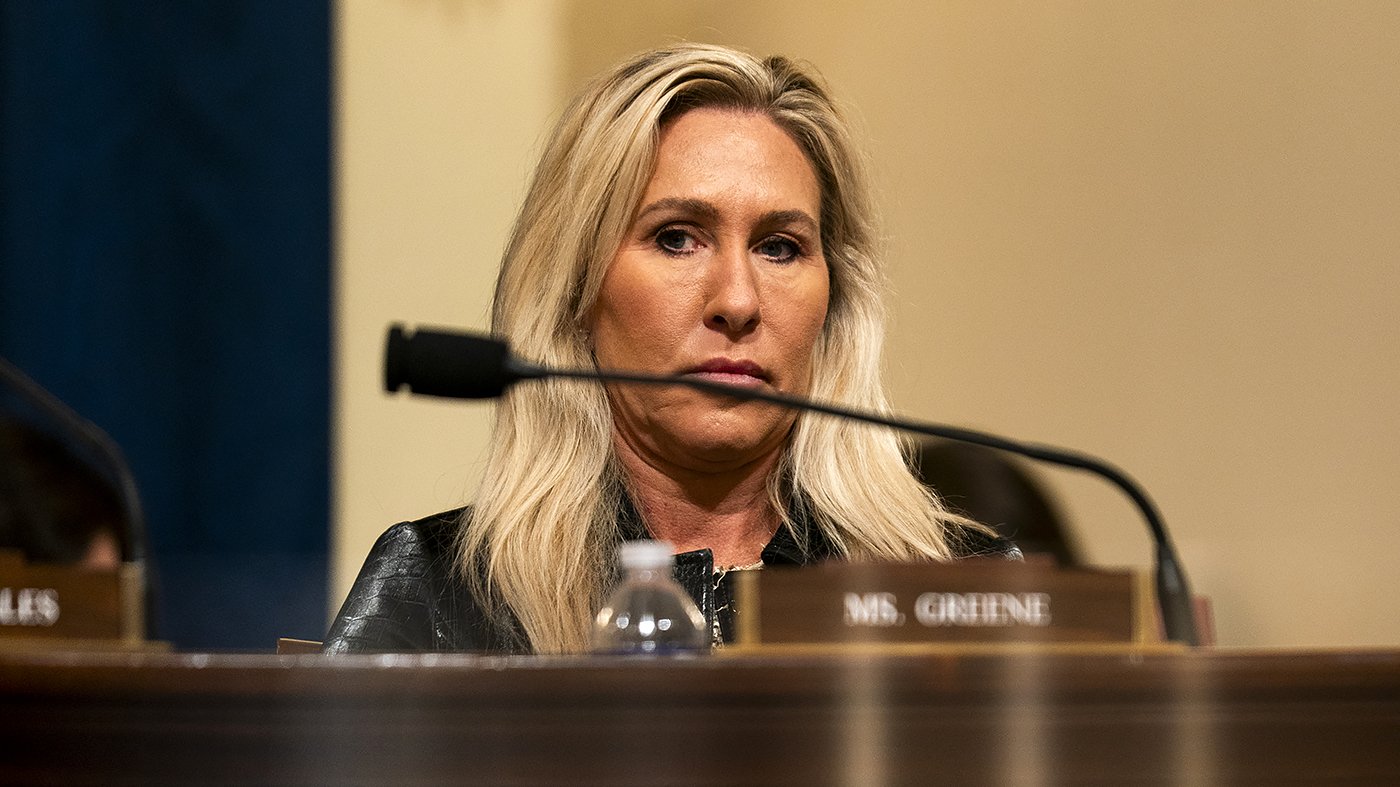
Georgia Representative Marjorie Taylor Greene has publicly faulted former President Donald Trump and the broader Republican leadership for a significant political setback in Virginia, where voters narrowly approved a Democratic-led redistricting plan. The referendum result could reshape the state's congressional map to potentially give Democrats a commanding 10-1 advantage, altering the national battle for House control this November.
A Direct Blame Game
In a series of social media posts, Greene argued that Trump's perceived abandonment of his "America First" agenda is driving a voter exodus. "A once red state is turning into one of the bluest states because people don't want to support Republicans now," she wrote, referencing Virginia's shifting political landscape despite electing Republican Governor Glenn Youngkin in 2021. She issued a stark warning: "Trump betraying the America First wing of MAGA is going to have devastating consequences in the midterms."
Greene elaborated on what she described as a "revolt on the right," citing the ongoing conflict with Iran, persistent high inflation, and the administration's handling of documents related to the late financier Jeffrey Epstein. She also leveled criticism at her former congressional colleagues, accusing them of being more interested in donor praise and corporate lobbyist influence than the party's base.
The Virginia Referendum Outcome
With over 95% of votes counted, the constitutional amendment passed with 51.5% support, according to Decision Desk HQ. The measure authorizes Virginia's Democratic-controlled General Assembly to redraw congressional districts before the 2030 census, temporarily sidelining a bipartisan commission. While Democrats currently hold a slim 6-5 edge in the state's House delegation, analysts project the new maps could solidify a nearly unbreakable Democratic majority. The state's Supreme Court retains the power to review and potentially invalidate the new districts.
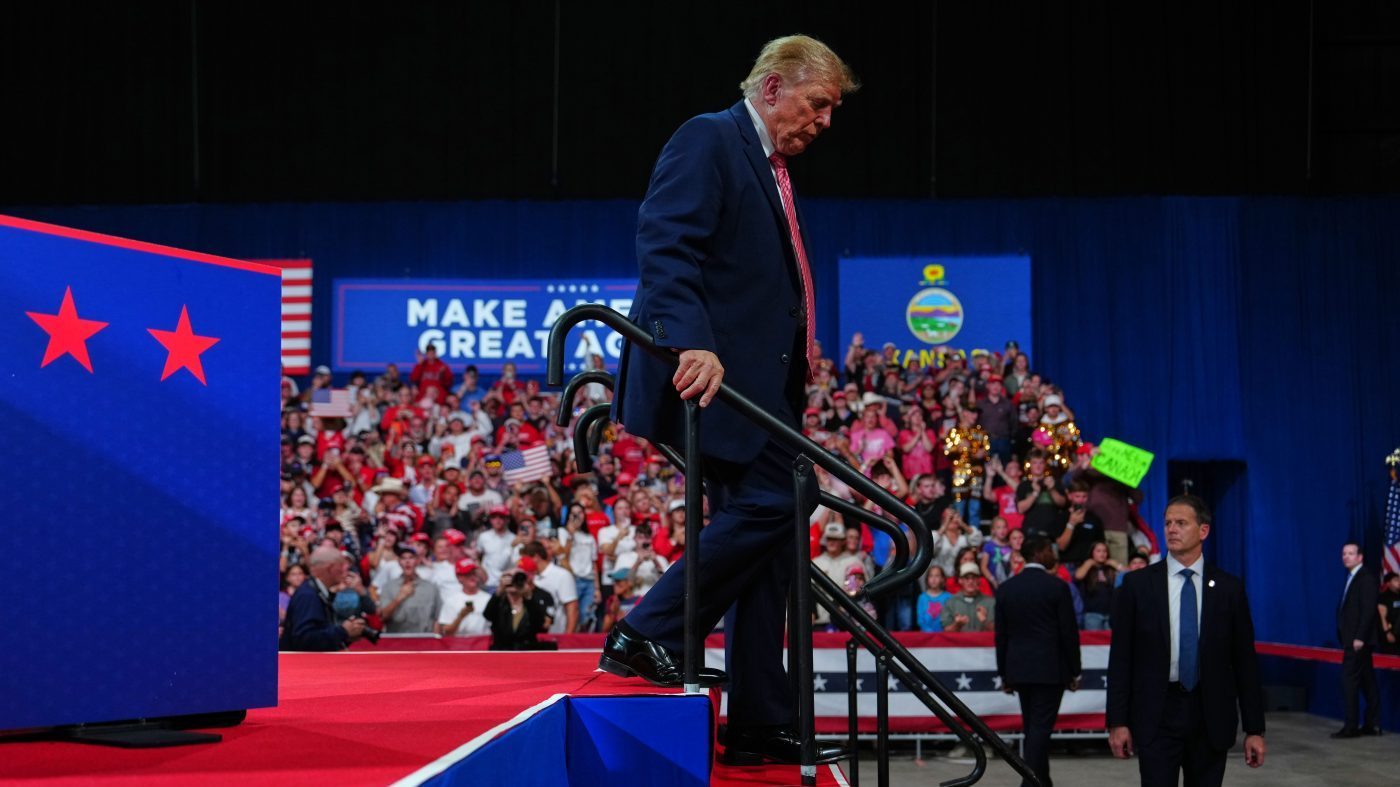
The vote attracted national attention, with Trump himself making a last-minute appeal for its rejection. In a tele-rally with House Speaker Mike Johnson, Trump called the referendum "a blatant partisan power grab that nobody's really ever seen anything like it." His intervention, however, failed to sway the outcome.
National Redistricting Warfare Escalates
Virginia's vote is the latest salvo in an intensifying national redistricting conflict that began last year in Texas. There, Republican legislators, encouraged by the White House, redrew maps to create five new pickup opportunities for the GOP. The fight has since spread to multiple states, including California, Missouri, and North Carolina. Florida may be next, as Governor Ron DeSantis has called a special legislative session on redistricting set for next week, signaling that both parties are preparing for maximum political warfare over district lines.
High-profile figures from both parties weighed in on the Virginia battle, including Governor Abigail Spanberger, former President Barack Obama, and Governor Youngkin. The result represents a tactical victory for Democratic congressional strategists seeking every possible advantage in a narrowly divided House.
Internal GOP Tensions Surface
Greene's public rebuke of Trump highlights growing fractures within the MAGA movement and the Republican coalition. Her comments suggest that some of the former president's most ardent supporters feel betrayed by his policy decisions, particularly on foreign engagement and economic issues. This internal dissent comes as Trump's economic approval has faced significant pressure and as the party grapples with its direction ahead of a critical election cycle.
The episode underscores a broader pattern of MAGA movement fractures, where core supporters clash with the establishment wing over strategy and loyalty. Greene's warning serves as a reminder that the coalition that propelled Trump to power remains volatile and that perceived compromises can trigger fierce backlash from its most ideological members.
With the midterms approaching, the Virginia redistricting fight has become a flashpoint not only for partisan control of Congress but also for the internal dynamics of a Republican Party navigating its post-Trump identity. The outcome suggests that in key battlegrounds, Democratic organizational efforts are overcoming Republican opposition, potentially reshaping the electoral map in ways that could endure for the remainder of the decade.