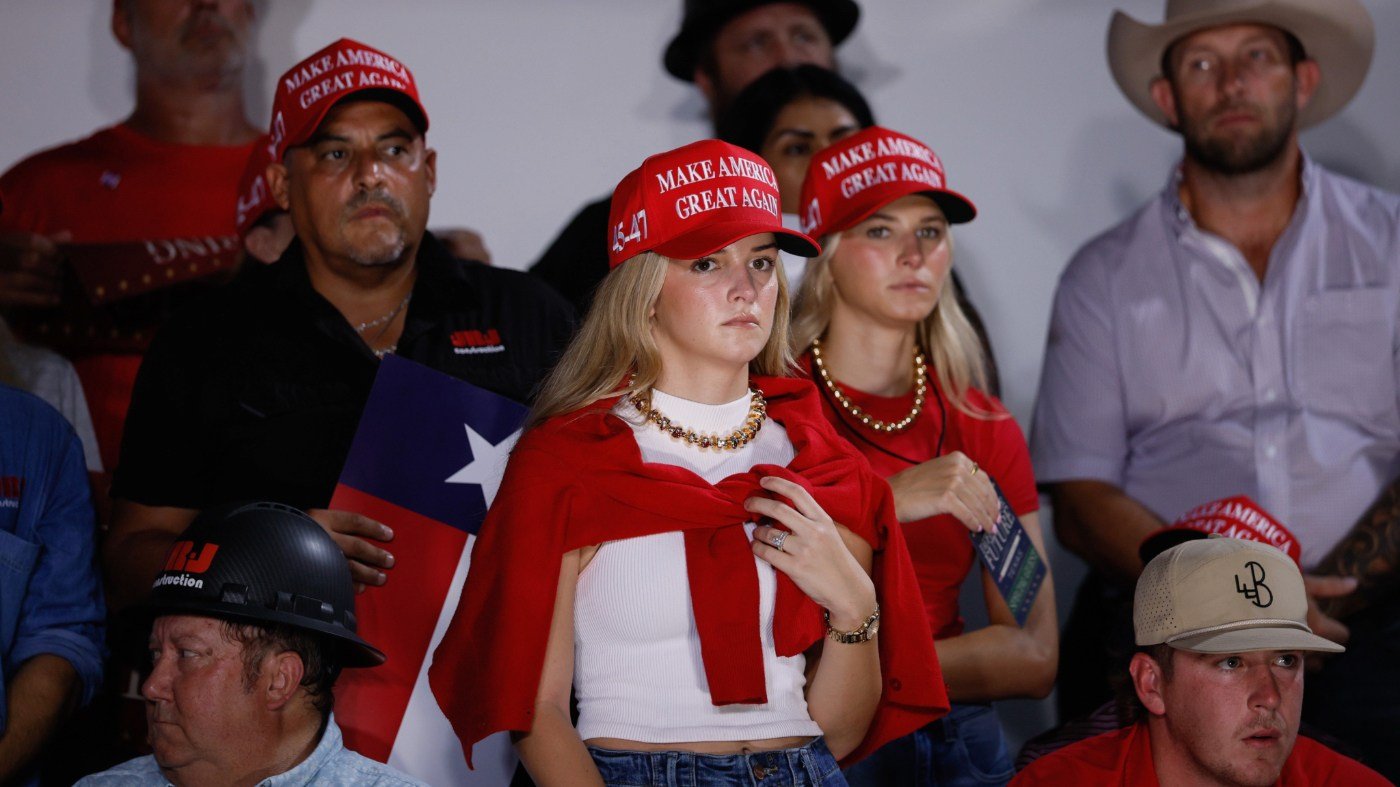
Republicans across the country are grappling with a political earthquake that has left the party's leadership in disarray. The midterm elections, traditionally a referendum on the sitting president, delivered a stinging rebuke to the Trumpian populist agenda, with Democrats seizing control of both chambers of Congress.
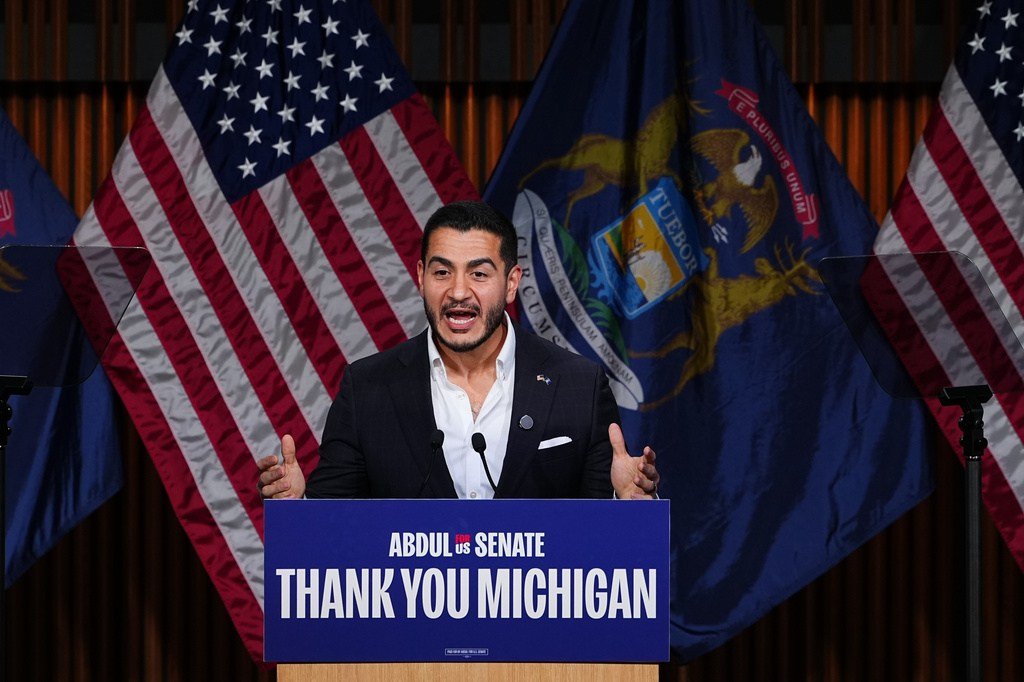
In Texas, the GOP lost a Senate seat after President Trump intervened in the primary to oust a sitting senator who had crossed him, backing a candidate rejected by many in his own party. That move opened the door for a Democrat who has twisted scripture to fit his own narrative, flipping a reliably red seat. South Carolina followed suit, where nepotism proved no substitute for experience, and North Carolina slipped away when the president threw his weight behind a Washington insider who clumsily posed as a rural champion despite two decades inside the Beltway.
The losses extended far beyond the Senate. House Republicans lost 27 incumbent seats, a rout that underscored the depth of voter discontent. The party's failure to confront the economic pain facing ordinary Americans—soaring prices from the trade war, rising gas costs tied to the Iran conflict with no clear strategic objective, and housing affordability slipping out of reach—proved politically fatal. While voters struggled with sticker shock, the president remained fixated on lavish White House renovations, including gold leaf, a new helipad, a ballroom that rivals the White House itself, and a golden arch in Washington, plus his name emblazoned on the Kennedy Center.
Democrats simply capitalized on reality, as one political analyst noted. For Republicans, it was a modern-day Marie Antoinette moment: "Let them eat cake." The party also squandered its legislative achievements. The so-called "Big Beautiful Bill" (H.R.1) was a significant win, but internal divisions brought other promised reforms to a standstill. Feuds spilled into public view, exposing a fractured party centered on a president unwilling to tolerate dissent. Elon Musk, Tucker Carlson, Sens. John Cornyn and Thom Tillis, Rep. Thomas Massie, and others have all drawn presidential ire at various points, deepening the rift.
Unfulfilled campaign promises from 2024 compounded the damage. The Russia-Ukraine war remains unresolved, inflation persists, healthcare reform is stalled, energy prices are climbing, the Department of Education still exists, no DOGE dividend materialized, and no national proof-of-citizenship requirement was enacted. These broken commitments eroded trust in the president's party.
Furthermore, the GOP's midterm messaging centered on fear of Democratic investigations, warning that a Democratic Congress would pursue retribution. That tone-deaf approach ignored the economic reality voters faced daily. As questions about secret Iran strikes and threats to prosecute noncitizen voters dominated headlines, Democrats seized on accountability as a winning issue.
The danger of a populist movement, as this election showed, is that it can render a party spineless, stripping it of its true character. Too many Republicans refused to call things what they are, treating anyone who disagreed with the president as an outcast. Unity should never mean uniformity. When a chief executive goes unquestioned, the public is quite willing to hold the party accountable. This philosophy also runs counter to America's foundational principle of free expression.
As Republicans look toward 2028, they would be wise to heed this warning. Americans are so disillusioned with the establishment that they are increasingly willing to send socialist-leaning candidates to Congress rather than vote for another Republican. That should be a sobering realization for a party that prides itself on individual liberty and principled leadership.