Reports of unreported U.S. military action against Iran in the days leading up to Tuesday's midterm elections have reignited concerns about government transparency and the administration's handling of an increasingly unpopular conflict.
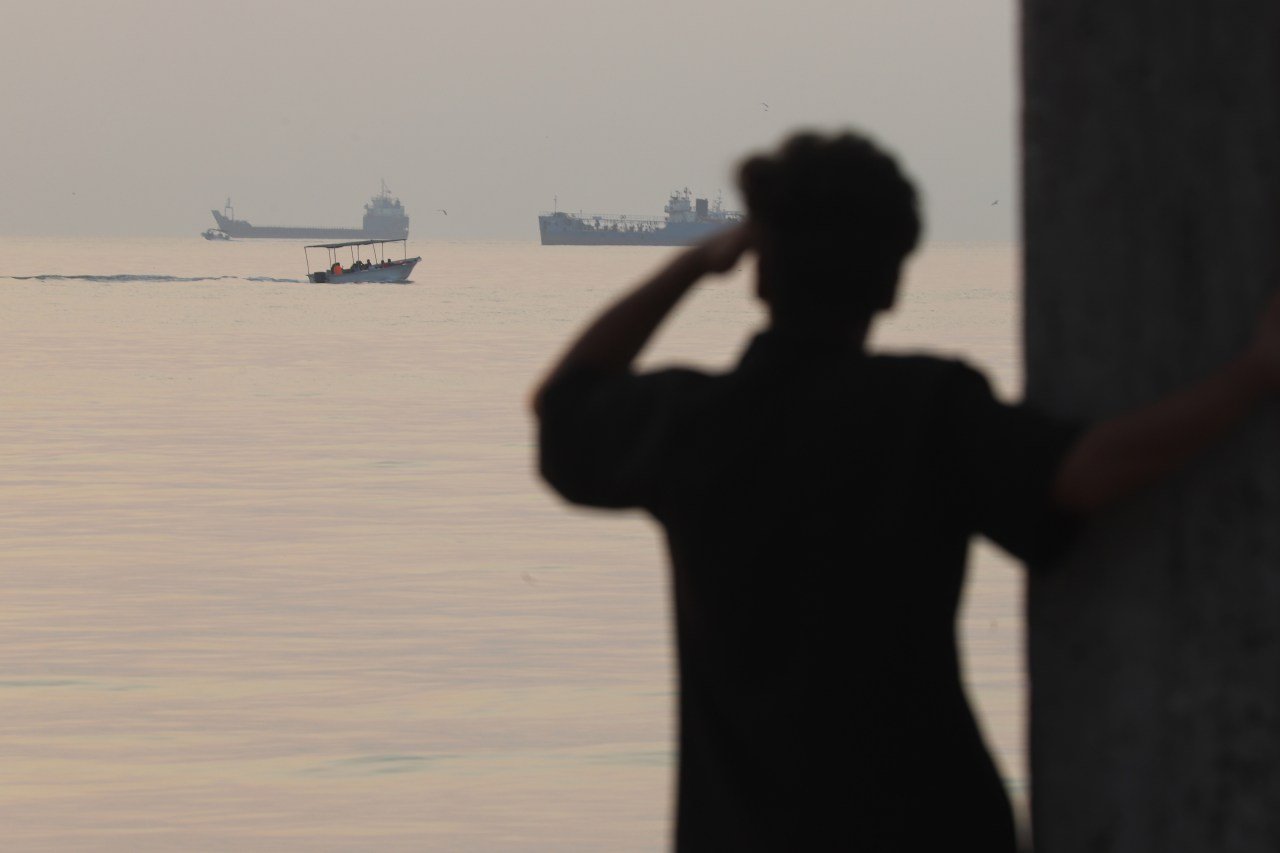
According to The Wall Street Journal, American forces struck Iranian targets in the Strait of Hormuz on Monday, including an anti-aircraft installation on Qeshm Island. This was the latest in a series of U.S. attacks over the past several weeks, yet neither the Pentagon nor the White House has publicly acknowledged these operations. The last official confirmation of U.S. strikes on Iran came in early September, when the military conducted two days of bombing.

President Trump, in a Tuesday appearance, dismissed the Monday strike as “minor” and insisted the United States was not returning to full-scale combat. His remarks stood in stark contrast to his previous assertion that Washington would not attack Iran before the midterms. That discrepancy, combined with the military's silence, has raised questions about what the public is entitled to know about such operations.
Rachel VanLandingham, a former Air Force judge advocate and law professor at Southwestern Law School, told The Hill that there is no clear statutory requirement for the executive branch to publicly disclose individual military operations. She noted that during the Iraq and Afghanistan wars, the Pentagon held regular press briefings—a practice that has largely disappeared under Defense Secretary Pete Hegseth, who has taken deliberate steps to limit transparency.
A former Pentagon spokesperson was more blunt, telling The Hill that the administration “bombed Qeshm Island during a news cycle where no one is going to cover this,” pointing to the timing less than a day before the elections. “To the extent that this is incredibly unpopular, they probably don't want a lot of people talking about it,” the former official said, adding that the lack of disclosure raises “real transparency concerns.”
U.S. Central Command, which oversees military operations in the Middle East, did not respond to questions about recent strikes on Iran. The administration's efforts to downplay the conflict come as the war, now in its eighth month, has disrupted global markets and driven up fuel prices—a major factor for voters heading to the polls.
Jason Campbell, a senior fellow at the Middle East Institute, said the White House was clearly trying to keep the Iran conflict from becoming a decisive issue in the election. “I think it's clear that the White House was trying to keep the conflict part of this Iran war quieter and not allow it at the near zero hour to hurt its electoral chances,” he told The Hill.
On Monday, Trump described the situation as a “soft war” that he could end at his discretion, insisting that “this is not much of a war” because there had been no significant shooting for months. But following the Democrats' sweeping midterm victories, Vice President Vance acknowledged on Wednesday that “the reason we lost is the war.” Trump, for his part, told reporters that while he knew the conflict could affect voting, Iran's nuclear ambitions remained a non-negotiable priority.
Public information about the war has dwindled to a trickle, with Hegseth holding no press briefings on the matter since spring. The Pentagon chief has also been hostile to legacy media, banning reporters from hallways without escorts in October 2025. The former Pentagon spokesperson noted that in previous administrations, the military would typically release statements after each strike, but there are no laws mandating such disclosure. “It's not illegal to not do it,” they said, comparing it to Nixon's secret bombing of Cambodia. “But it's just a thing that's done.”
While the War Powers Resolution requires the president to report to Congress within 48 hours of initiating hostilities and provide updates every six months, there is no equivalent obligation to inform the public. As the administration faces mounting criticism over both the conflict and its handling of information, the broader implications for democratic accountability remain uncertain.