The Trump administration is moving forward with a draft rule that would make married stay-at-home parents eligible for federal childcare subsidies, a proposal that has quickly exposed a deep ideological rift within the Republican Party.
The change, first reported by The New York Times, would expand a program created during the 1990s welfare reform era, which currently provides childcare vouchers or provider grants to low-income single parents who work or attend school. Under the new draft, two-parent households where one spouse stays home would also qualify.

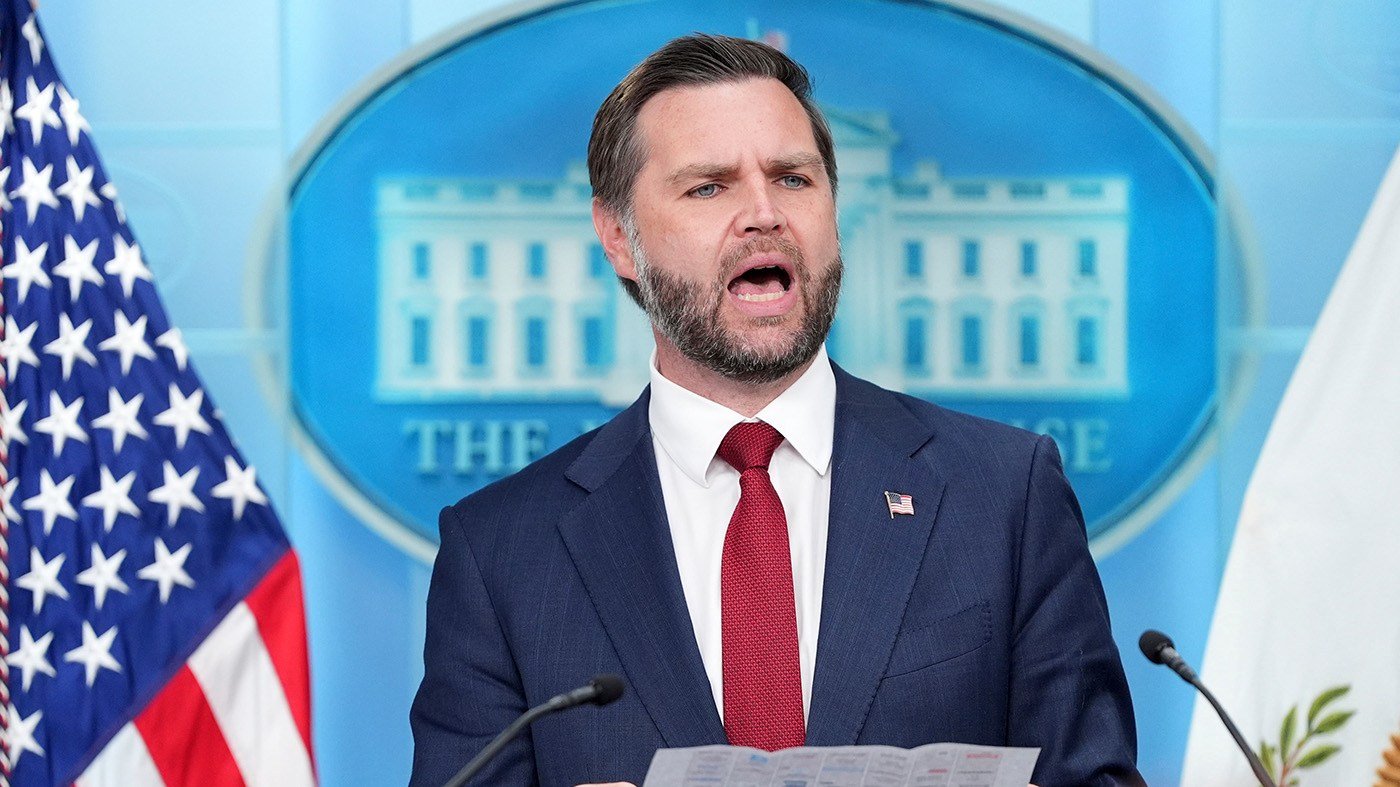
The initiative is part of a broader pro-natalist, pro-marriage agenda championed by Vice President Vance, who has made family formation a central pillar of the administration's domestic policy. Supporters argue the current system unfairly penalizes parents who choose to raise their children at home.
“These stay-at-home moms work very, very hard for very little recognition, and they don’t really ask for much,” said Terry Schilling, president of the conservative American Principles Project. “What this program has the potential to do is help a lot of these moms see that the money they put towards childcare and the time they spend away from their children really isn’t worth it in the grand scheme of things, in many cases.”
But the proposal has drawn sharp criticism from more traditional, limited-government conservatives. Joel Griffith, a former Heritage Foundation economist now at Advancing American Freedom, the think tank founded by former Vice President Mike Pence, said the tax code should not be used to steer personal decisions.
“I don’t believe that we should be using the tax code to sway people’s decisions one way or the other, to penalize people for having more children, or to incentivize people to have more children,” Griffith told The Hill. “That is not the purpose of the tax code.”
The dispute reflects a broader battle over the identity of conservatism in the Trump era. Tim Carney, a senior fellow at the American Enterprise Institute, noted that Trump shattered the Reagan-era consensus on trade, government’s role, and entitlements. “I think this particular policy provides a good time to hash out some bigger questions,” he said.
Roger Severino, vice president for domestic policy at the Heritage Foundation, helped craft similar proposals that informed the White House draft. He argues the current system is unfair. “Parents who hand their kids to commercial day care get subsidy payments, while parents who bear the toil, expense, and opportunity cost of raising their kids at home currently get ZERO,” he wrote on social media. He also defended tying the benefit to marriage, saying “our government provides better treatment to marriage all over law and policy because marriage, on average, provides better treatment to kids.”
Yet even within Heritage, there is disagreement. Griffith, who left the think tank at the end of 2024, said his team studied other countries’ attempts to incentivize childbearing—such as Hungary’s policies under Viktor Orbán—and found them costly and often ineffective. The debate, which exploded online over the weekend, is a microcosm of the coming policy fight over what it means to be conservative, according to several observers.
The White House has not yet released a formal proposal, and the rule remains in draft stage. But the internal GOP conflict over whether the government should actively encourage marriage and parenthood—or stay out of such personal choices—is likely to intensify as the administration pushes forward.