Georgia Republican lawmakers announced Wednesday they will not pursue mid-decade redistricting during a special legislative session called by Governor Brian Kemp, effectively postponing a high-stakes battle over congressional maps that was reignited by a recent Supreme Court decision.
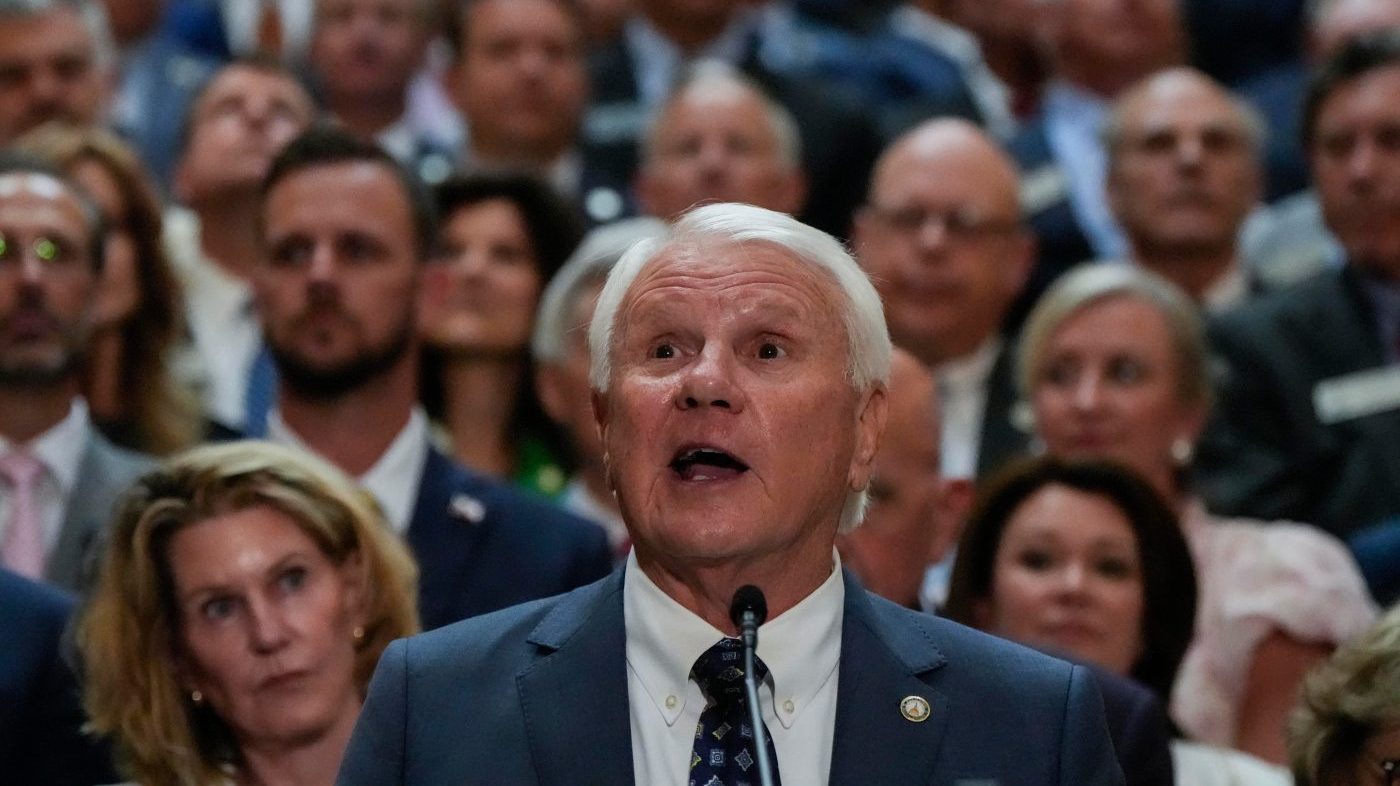
House Speaker Jon Burns told reporters at the state capitol that the chamber would not take up reapportionment, arguing that the move was premature given ongoing litigation and the need for a more deliberate process. “Changes to our district maps have the potential to impact every voter in Georgia, and they deserve the same thoughtful, fact-driven process that has always guided the House,” Burns said. He announced plans for public hearings to gather voter input on the issue.
The decision halts what had been shaping up as a contentious redistricting fight in the key swing state ahead of the 2028 elections. Kemp had called the special session after the conservative-majority Supreme Court weakened a key provision of the Voting Rights Act in the Louisiana v. Callais ruling, which opened the door for new congressional lines across the South. The governor urged lawmakers to convene on June 17 to consider revising district boundaries before the next cycle.
Burns pointed to pending court cases analyzing the impact of the Callais decision, which has sparked a redistricting arms race in several Southern states. “We are confident that Georgia will prevail in the pending appeals and look forward to receiving additional judicial opinions to assist us in our future map-drawing efforts,” he said.
The speaker’s announcement drew cheers from a crowd gathered at the capitol. “For these reasons, House Republicans will not be taking up congressional or legislative redistricting maps for the 2028 election cycle during this special session,” Burns declared.
It was already too late to draw new maps before Georgia’s May primaries, but Kemp had argued that the high court’s decision “requires” the state to adopt new boundaries before the next election. The pause now pushes any map changes into the post-2028 cycle, leaving the current districts in place.
The move comes amid heightened political tensions in Georgia, where recent GOP primary runoffs saw candidates backed by former President Donald Trump and Governor Kemp clash in proxy fights. In one notable contest, Rick Jackson upset Trump-endorsed Burt Jones in the GOP governor runoff, while Collins defeated Dooley in the Senate runoff to challenge incumbent Jon Ossoff.
Burns’ decision also reflects broader uncertainty over how courts will ultimately interpret the Supreme Court’s ruling. Legal experts say the pending appeals could reshape the redistricting landscape not only in Georgia but across the region, potentially affecting Republican efforts to maintain their congressional majority.