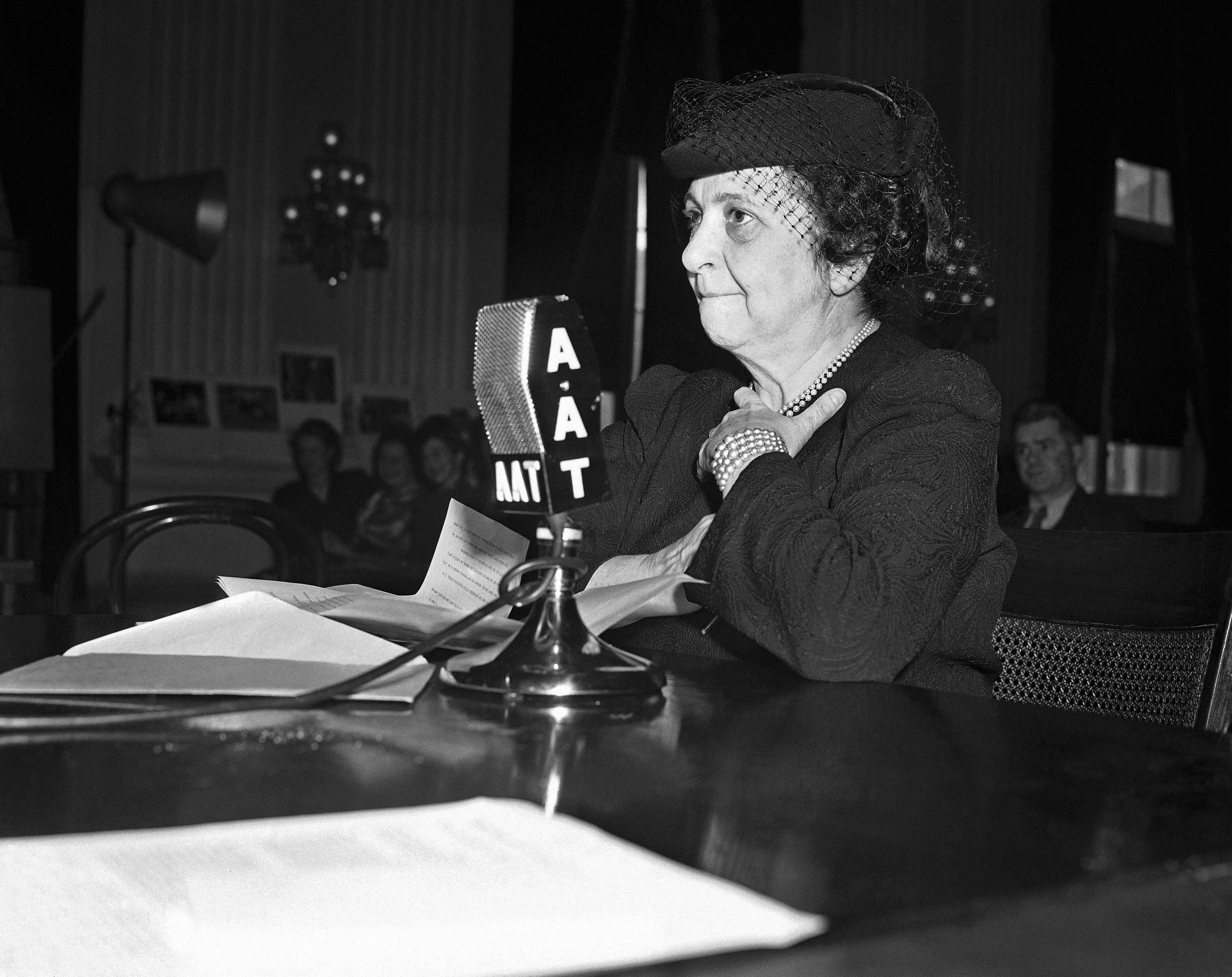
As the nation marks its 250th anniversary in 2026, Labor Day offers a moment to reflect on the enduring fight for workers' rights—from the industrial era through globalization and into the age of artificial intelligence. Few figures loom larger in that struggle than Frances Perkins, the first woman to serve in a presidential Cabinet and the driving force behind many of the New Deal's most transformative policies.
Perkins served as Secretary of Labor for all 12 years of Franklin D. Roosevelt's presidency, taking office during the Great Depression when unemployment had devastated a quarter of the workforce. She turned that crisis into an opportunity to reshape the relationship between government and working people, declaring she came to Washington to work for "God, FDR, and the millions of forgotten, plain, common workingmen."

Her advocacy produced landmark achievements that still underpin American life today. Perkins was instrumental in establishing Social Security, which continues to support tens of millions of retirees and disabled individuals. She also authored the Fair Labor Standards Act of 1938, which banned child labor and set a federal minimum wage, and she championed the 40-hour workweek—a standard that remains a cornerstone of labor law.
The catalyst for Perkins's lifelong commitment was a tragedy she witnessed early in her career: the 1911 Triangle Shirtwaist Factory fire in New York City. From the street, she watched as 146 workers—mostly young immigrant women—jumped to their deaths because factory exits were locked and the fire escape failed. That horror galvanized her to fight for workplace safety and workers' compensation, leading to unemployment insurance and retirement programs that were once unimaginable.
Perkins's vision extended beyond individual policies. She bridged the gap between the Founding Fathers' ideals and the complexities of a modern industrial economy, proving that the Declaration of Independence is a living contract—not a static document. As she put it, she and her colleagues "evolved the ethical principle that it was not right or just that an honest and industrious man should live and die in misery."
Nearly a century later, Perkins's legacy remains a beacon. The Frances Perkins Center in Newcastle, Maine, and the Frances Perkins National Monument at her family homestead preserve her story and inspire new generations. Yet her work is far from complete. Today's workforce faces fresh challenges: automation threatens jobs, the gig economy erodes traditional protections, and debates over labor standards continue. As recent Labor Department projections show, many occupations are set to decline by 2035, underscoring the need for adaptive policies.
Perkins's example offers a roadmap. She showed that government can be a force for improving lives, not just an administrative apparatus. Her belief that "an honest and industrious man" should not live in misery resonates today as policymakers grapple with income inequality and the future of work. The ongoing evolution of workplace rights—from pregnancy protections to new labor standards—builds on her foundation.
This Labor Day, as we honor the American workforce that built the nation's strength and prosperity, we also acknowledge the work ahead. The next 250 years will demand the same boldness that Perkins displayed. Her story reminds us that progress is not automatic; it is won by those who refuse to accept misery as inevitable. By remembering her, we honor not just a historical figure but the enduring promise of a fairer society.