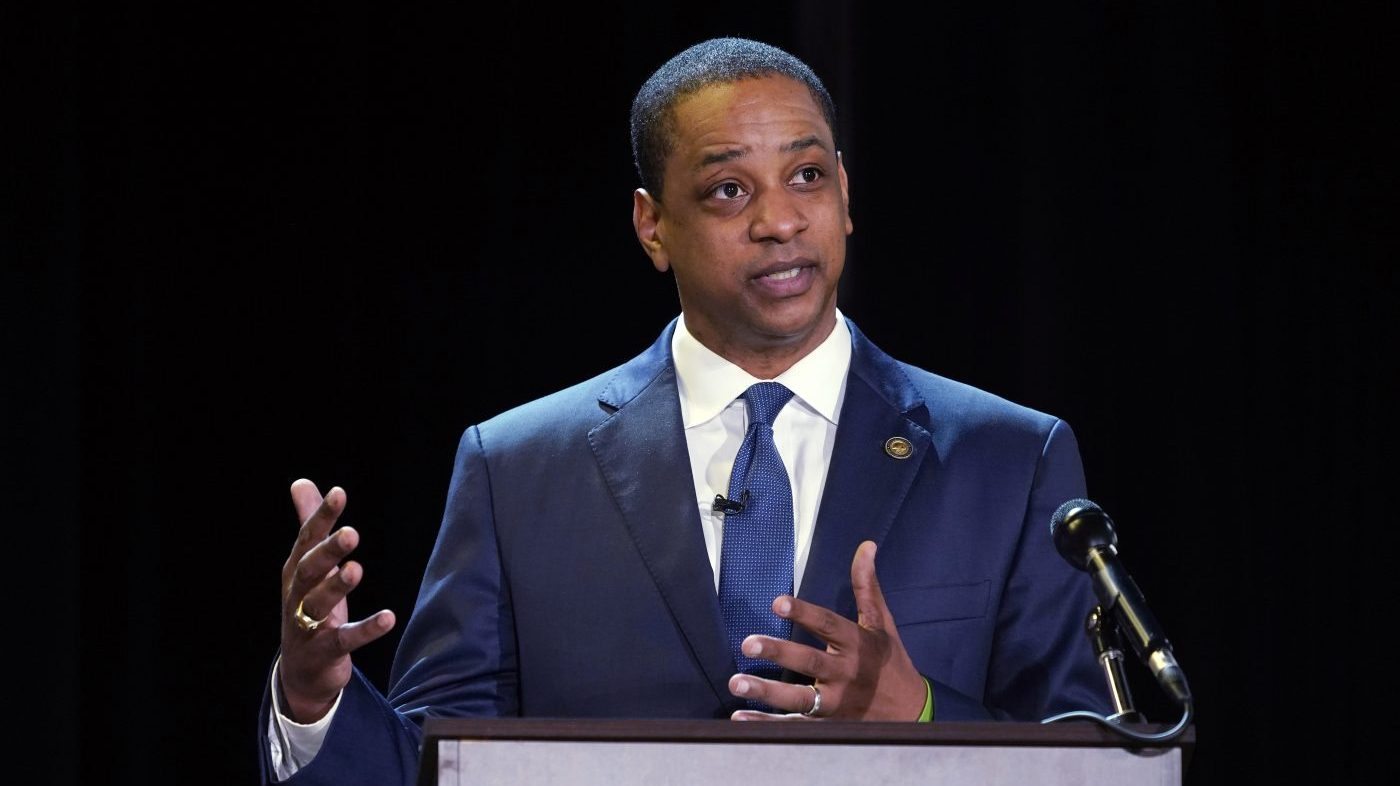
Justin Fairfax, the former Democratic lieutenant governor of Virginia, shot and killed his wife before turning the gun on himself in an overnight incident at their family home, authorities confirmed Thursday. The murder-suicide in Annandale marks a tragic end for a once-rising political figure whose career was previously marred by sexual assault allegations.
Fairfax County Police Chief Kevin Davis told reporters that officers responded to a 911 call from the residence early Thursday morning. Upon arrival, they discovered the bodies of Fairfax, 47, and his wife, Cerina Fairfax. Chief Davis stated the preliminary investigation indicates Fairfax fatally shot his wife before taking his own life.
Domestic Dispute Preceded Violence
"This has been an ongoing domestic dispute surrounding what seems to be a complicated or messy divorce," Davis said during a press briefing. The couple, who met while students at Duke University and married in 2006, were in the process of divorcing, according to local reports.
The couple's two children were present in the home at the time of the shooting. One of the children placed the emergency call to police, officials confirmed. The children were unharmed and are now in the care of other family members.
A Political Career Overshadowed by Scandal
Fairfax served as Virginia's lieutenant governor from 2018 to 2022 under former Governor Ralph Northam, another Democrat. His tenure was dominated not by policy achievements but by scandal. In 2019, two women came forward with detailed allegations of sexual assault against Fairfax from years prior. He vehemently denied the accusations and resisted widespread calls from within his own party to resign from office.
The allegations created a profound political crisis for Virginia Democrats, who controlled the state government at the time. Fairfax's refusal to step down forced party leaders into an uncomfortable position, balancing the gravity of the accusations against the political and procedural complexities of removal. The controversy likely ended any prospects for higher office, including a potential gubernatorial run.
His time in office was also marked by other significant state events, including the period when Virginia moved to end property tax exemptions for Confederate heritage organizations, a symbolic shift in the state's political landscape.
Broader Context of Political and Personal Turmoil
The shocking nature of this incident underscores the intense pressures that can surround political figures, both in public and private life. While unique in its violence, it echoes other cases where the personal lives of politicians have unraveled with devastating consequences. For instance, the suspension of a congressional campaign amid sexual assault allegations shows how personal conduct can abruptly end political ambitions.
The tragedy also occurs against a national backdrop of heightened political tension and scrutiny of public figures' fitness. Recent months have seen renewed debate over the mental and emotional stability of prominent leaders, though there is no indication such concerns were raised about Fairfax prior to this event.
The Fairfax County Police Department's investigation remains active. Authorities are interviewing family members and examining evidence to fully understand the sequence of events that led to the deaths. The case has sent shockwaves through Virginia's political community, where Fairfax was once considered a potential future leader for the state Democratic Party.