Political Stance Allegedly Bars Singer from Pop Group Reunion
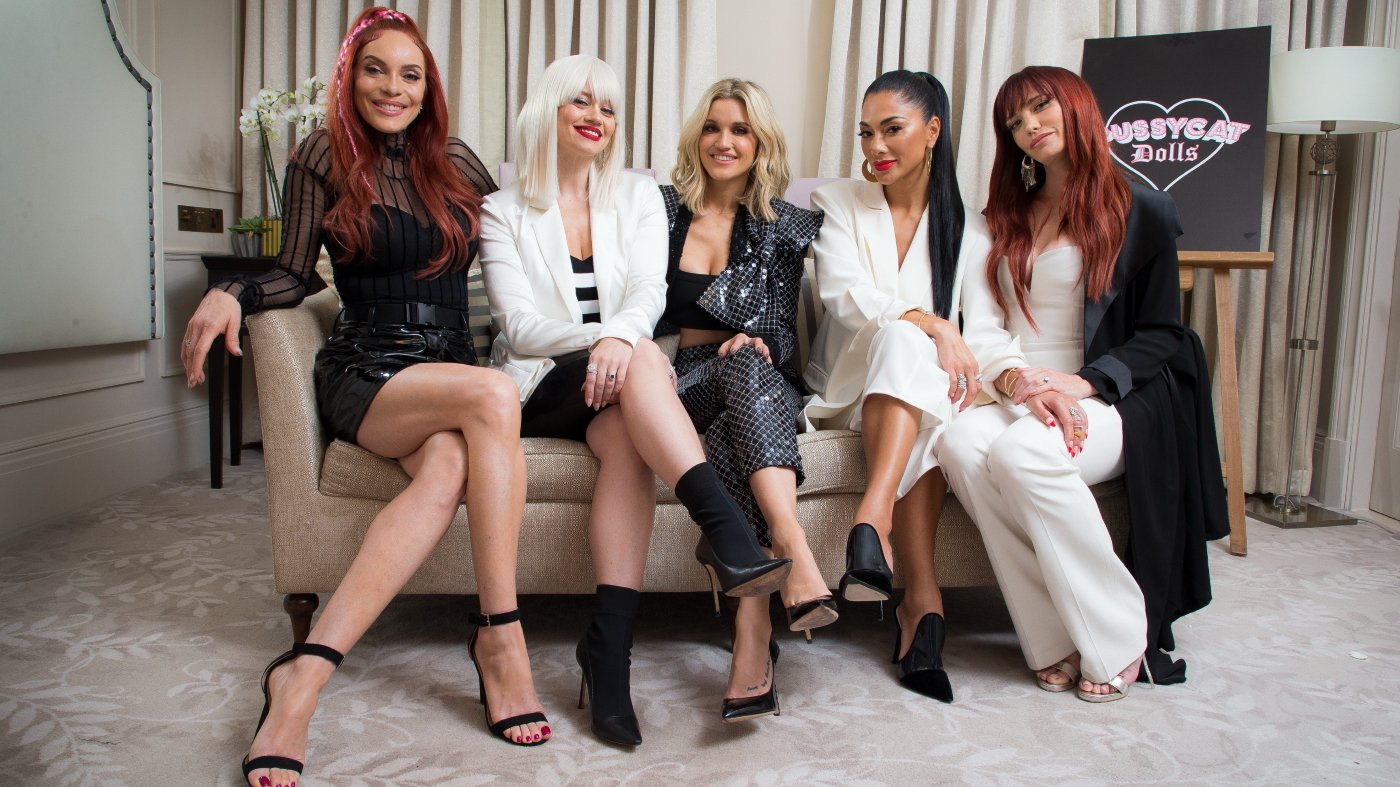
Jessica Sutta, a former member of the chart-topping group the Pussycat Dolls, has publicly stated that her political activism was the direct cause of her exclusion from the band's upcoming reunion tour. In a recent podcast interview, Sutta claimed her support for Health and Human Services Secretary Robert F. Kennedy Jr. and his "Make America Healthy Again" (MAHA) initiative rendered her a "liability" to the group's core members.
The Reunion Announcement and Immediate Fallout
Earlier this month, original Pussycat Dolls members Nicole Scherzinger, Kimberly Wyatt, and Ashley Roberts announced plans to resurrect the group as a trio for a summer concert series, reviving their early-2000s hits. The announcement conspicuously omitted Sutta and other former members. Sutta immediately pointed to politics as the deciding factor, telling the "Maverick Approach" podcast that her alignment with Kennedy—whom she described as aligning with the broader MAGA movement—was the root cause.
"I aligned with Bobby Kennedy, which is aligning with MAGA," Sutta stated, referencing supporters of former President Donald Trump's political brand. She was quick to distance herself from some of Trump's policies, saying, "Do I love what Trump is doing? Absolutely not. I do not believe in war." However, she defended her association, arguing that Kennedy's health-focused platform was crucial for people with vaccine-related injuries. "We didn’t have a chance in the injured community to get help without him," she claimed.
From Apolitical Performer to Vocal Activist
Sutta's political awakening, by her own account, was born from personal medical crisis. She has said she felt "on the brink of death" after receiving a COVID-19 vaccine in 2021, suffering from lasting physical effects that hampered her ability to dance. "I was never political, but I had to because my life depends on it," she explained. This journey led her to actively support Kennedy's 2024 independent presidential bid, which he later suspended while endorsing Trump. Her vocal stance has drawn significant criticism, which she now defiantly embraces. "People are screaming at me, 'You’re MAGA, you’re MAGA.' Yeah, I am. I triple down on it," she said.
The situation underscores how deeply political and cultural divisions now permeate industries far beyond government, influencing partnerships and professional opportunities in entertainment. Sutta's case mirrors other high-profile rifts where political loyalty has become a litmus test, such as the internal conservative revolt over foreign policy led by former Trump allies.
Group Leadership Cites 'Protecting Peace'
When questioned about the incomplete reunion lineup on "The Today Show," remaining members offered diplomatic but telling responses. Kimberly Wyatt described the current trio as "an ever-changing lineup" for 2026, emphasizing the need for cohesion. "I think ultimately we’ve got to protect our peace," Wyatt stated. "When something like the Pussycat Dolls has so much history, we have ruptured in the past, and right now we are repairing, and we’re sort of on the same page with that." Nicole Scherzinger expressed "love and respect for all of the women" involved in the group's legacy, adding, "once a doll, always a doll."
The controversy arrives amid a charged political climate where public figures face intensified scrutiny for their associations. The dynamics of loyalty and liability Sutta describes are not confined to pop music, echoing in national security circles where figures like the former Joint Chiefs Chairman have joined Trump-linked firms, and in electoral politics where new PACs form to support specific ideological camps.
At 43, Sutta labeled her exclusion "unfortunate," framing it as a consequence of choosing advocacy over silence. Her experience highlights a broader cultural moment where personal health narratives, political identity, and professional consequences are increasingly intertwined, affecting careers in unpredictable ways. As the reunion tour proceeds without her, the episode stands as a stark example of how the nation's political fissures can redefine even the most apolitical of brands.