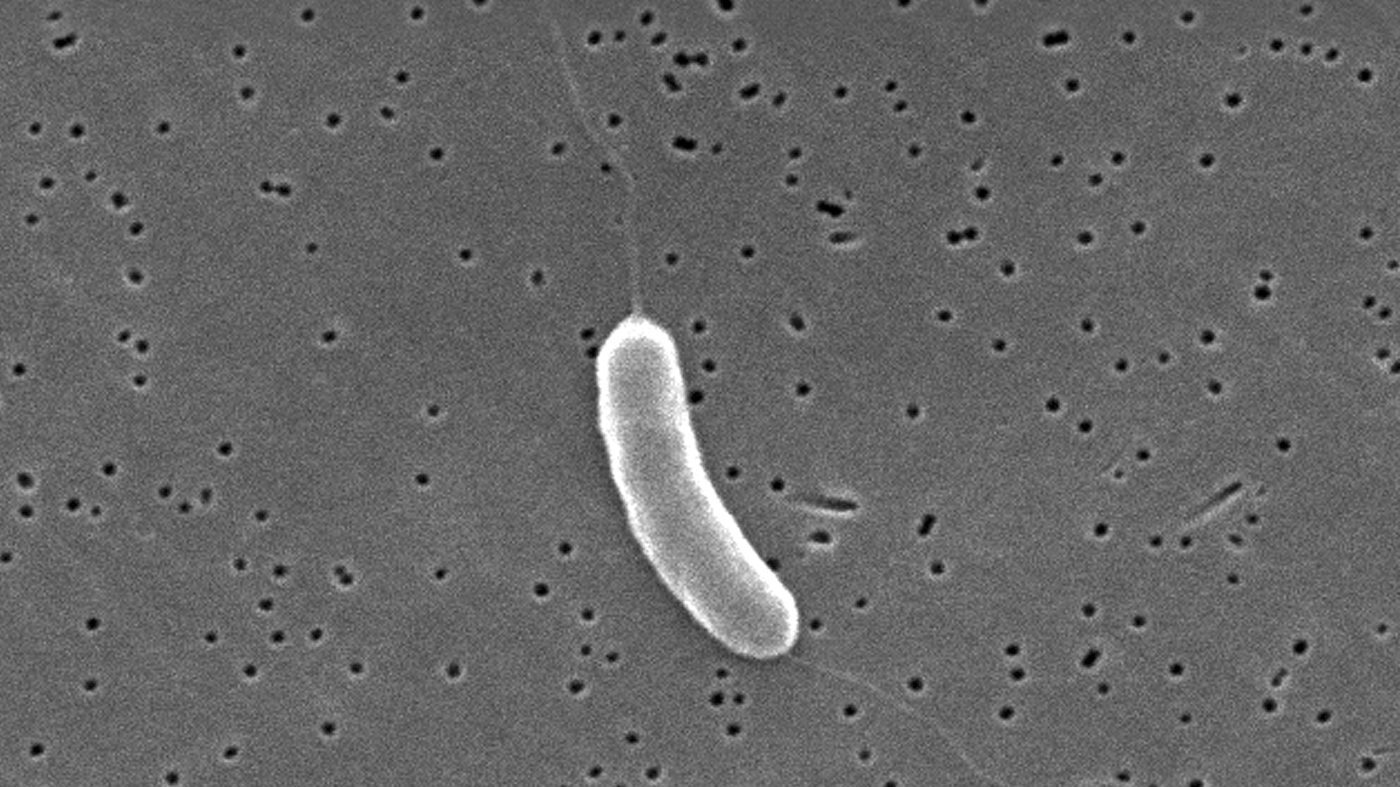
Florida's health authorities have confirmed a third fatality from the flesh-eating bacterium Vibrio vulnificus, marking an uptick in cases along the Gulf Coast that has drawn renewed attention to the state's vulnerability to the pathogen.
According to data updated on August 15 by the Florida Department of Health, there are now 17 confirmed infections spread across 12 counties: Bay, Brevard, Broward, Hillsborough, Lee, Marion, Miami-Dade, Okaloosa, Palm Beach, Polk, Santa Rosa, and St. Johns. The latest death occurred in Bay County, which has reported two diagnoses—one in a patient aged 35 to 39 and another aged 55 to 59. The department did not specify which individual succumbed, nor did it disclose whether either had underlying health conditions or compromised immune systems.

Vibrio vulnificus occurs naturally in warm, brackish seawater. Most infections arise from consuming raw or undercooked shellfish, but the bacteria can also enter the body through open wounds exposed to marine water. Health officials have long warned that the risk escalates after hurricanes and severe storms, which leave behind floodwaters that can harbor the pathogen.
The current case count remains well below the peaks seen in recent years. In 2024, Florida recorded 82 infections and 19 deaths, a surge widely attributed to Hurricanes Helene and Milton. By contrast, 2025 has so far seen 33 total cases and five deaths, according to state data.
Still, the recent cluster has raised concerns among public health experts. “We’re seeing a reminder that this bacteria is a persistent threat in Florida’s coastal environment,” said Dr. Elena Marsh, an infectious disease specialist at the University of South Florida. “Those with liver disease, diabetes, or weakened immune systems should be especially cautious.”
State records indicate that at least two deaths from Vibriosis have been reported every year since 2017, underscoring its recurring presence. The FDOH advises residents and visitors to avoid raw shellfish, especially during warmer months, and to cover any cuts or abrasions before entering seawater.
The timing of the latest cases has also intersected with political developments. As Florida’s GOP primary season heats up, some local officials have called for increased funding for coastal health monitoring. The shifting political landscape may influence how the state allocates resources to combat such public health risks.
Meanwhile, the state’s response to the outbreak has been relatively quiet, with no new emergency declarations. Critics argue that more proactive measures are needed, particularly in communities that rely on fishing and tourism. Some progressive leaders have seized on the issue to push for broader environmental protections.
For now, health officials urge vigilance. “Anyone who develops a skin infection after contact with seawater should seek medical attention immediately,” Dr. Marsh added. “Early treatment is critical.”
The FDOH continues to monitor the situation and will update its data as new information becomes available. Transparency in reporting remains a priority, especially as the state prepares for the upcoming hurricane season.