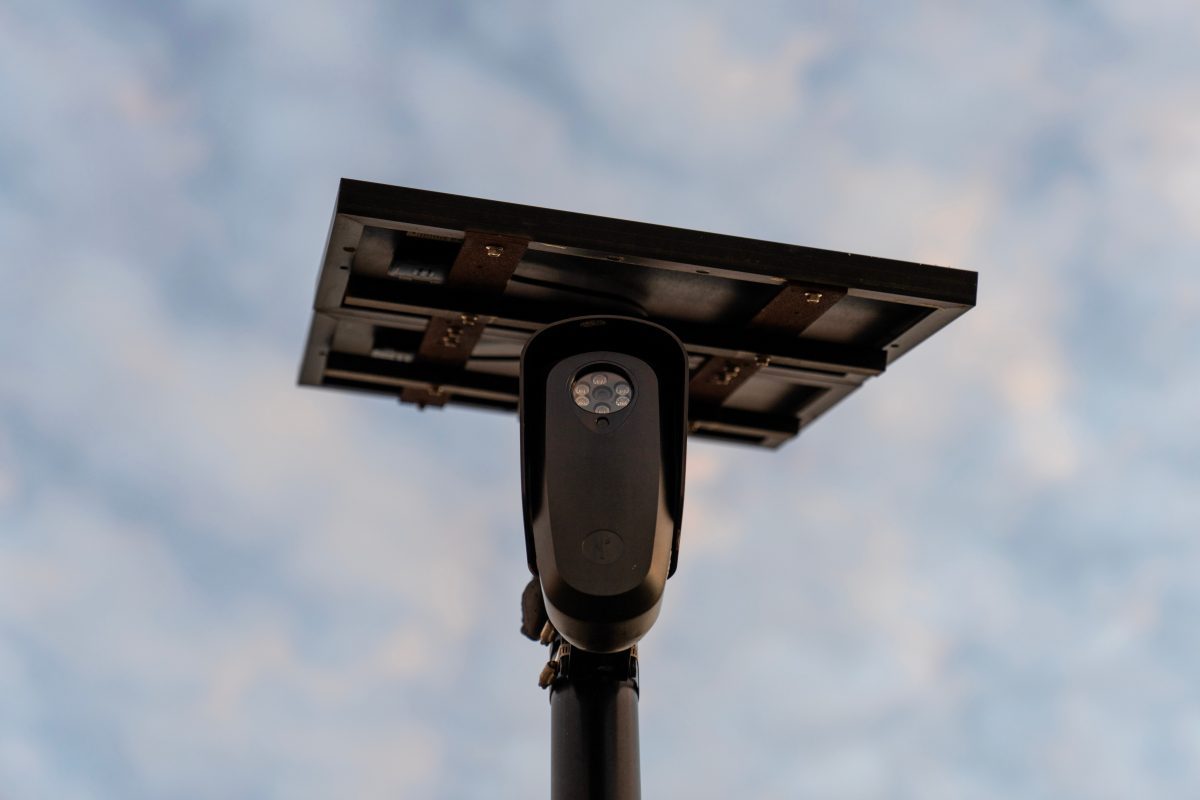
Automated license plate readers (ALPRs) have become a familiar sight on American roads, and their growing presence has ignited a fierce debate over surveillance and privacy. While Flock Safety may be the most recognizable brand, it is far from the only player in the market. Other companies, such as Genetec and Motorola Solutions, offer similar technologies, and all of them are designed to capture the same basic information: a vehicle's license plate, make, model, and color.
Flock claims its cameras can capture vehicles traveling up to 100 mph, day or night, from as far as 75 feet away. The system can also categorize vehicles as resident or non-resident, flag temporary or standard plates, and even note damage or alterations like a broken taillight. Genetec's ALPR system goes a step further, providing estimated travel speed. Motorola Solutions, which accounts for about 5 percent of the ALPR locations tracked by the crowdsourced project DeFlock, says its technology can identify "accessories and even unique vehicle features like damage or bumper stickers."
Despite these capabilities, Flock cameras only take a point-in-time image of the rear of vehicles on public roadways. They cannot track every vehicle or person in a jurisdiction—only those that pass in front of their lenses. If you want to know where cameras are located near you, DeFlock offers a crowdsourced map of ALPR locations across the U.S., compiled from volunteers and the OpenStreetMap community rather than a private company or government agency. Nexstar could not independently verify those locations.
ALPRs have been in use for more than two decades, according to the Department of Homeland Security. They can be mounted on poles, streetlights, and overpasses, and mobile versions exist as well. The technology scans license plates and compares them against databases, alerting law enforcement when a sought-after vehicle is detected. Police can also review past captures to search for vehicles and share information with other agencies.
But the expansion of ALPRs has not gone unchallenged. Communities in North Carolina, Indiana, Colorado, Wisconsin, and elsewhere have moved to discontinue the devices. The Florida Department of Transportation has begun removing cameras from state highways, and Texas has pulled state funding for its program, citing privacy concerns, misuse accusations, and what Florida officials called "surveillance schemes."
Even as some localities retreat, President Trump recently expressed support for the technology. Asked about Flock cameras on Air Force One earlier this month, Trump told reporters, "No, I sort of like them because of that, because of law enforcement. But some people don't. They think it's an infringement." He added later, "I like them."
The debate over ALPRs is far from settled. As more cameras appear, so too does scrutiny from lawmakers and activists. For now, the technology remains a powerful tool for law enforcement—and a flashpoint in the ongoing national conversation about the balance between safety and civil liberties.

