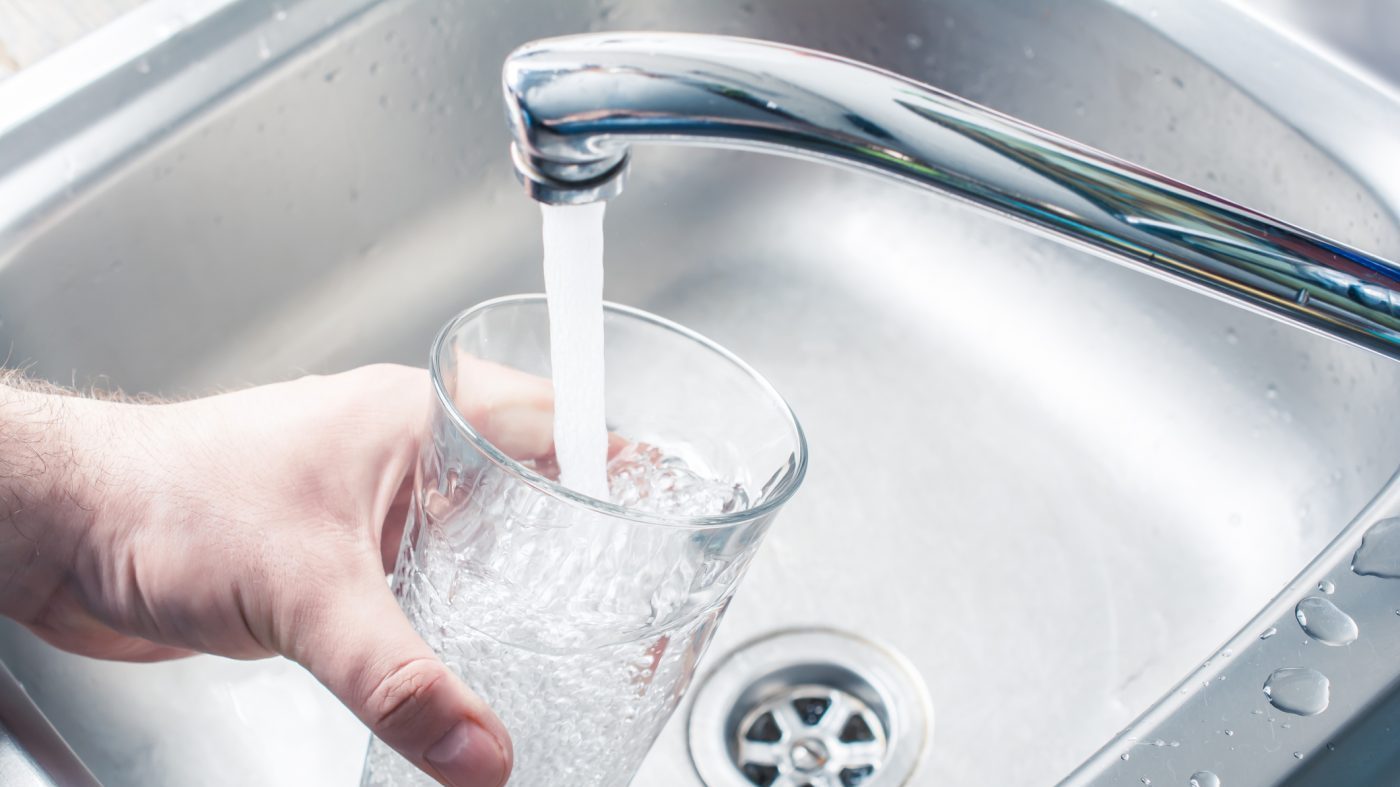
The U.S. Court of Appeals for the Fifth Circuit ruled that the Constitution does not guarantee clean drinking water, rejecting claims from Jackson, Mississippi residents over lead contamination.
In a 10-5 decision, the court held that the 14th Amendment does not protect against the city's failure to provide safe water, stating that the Constitution does not offer a remedy for every governmental shortcoming.
The lawsuit, filed in 2022 by Priscilla Sterling, Shawn Miller, and others, alleged that Jackson officials knowingly allowed residents to drink water with elevated lead levels between 2010 and 2013.
Judge Kurt Engelhardt, writing for the majority, noted that no historical precedent or Supreme Court ruling establishes a constitutional right to clean water, and that the plaintiffs' claims do not fall under the right to bodily integrity.
The court also rejected arguments that officials violated a constitutional duty to provide truthful information during a public health crisis.
This decision comes amid ongoing water quality issues in Jackson, which have been exacerbated by infrastructure failures and financial mismanagement.
Advocates argue that the ruling sets a dangerous precedent, leaving vulnerable communities without federal constitutional protection for basic necessities.
The city has faced multiple boil-water advisories and system failures, prompting state and federal intervention, but the legal avenue for residents seeking damages is now limited.
Legal experts suggest that the ruling could influence similar cases nationwide, as courts grapple with environmental justice and public health rights.
The plaintiffs may seek further review, potentially appealing to the Supreme Court, though the conservative-leaning bench may be reluctant to expand constitutional protections.