Friday, June 19, 2026, marks 161 years since Union troops arrived in Galveston, Texas, to enforce the Emancipation Proclamation, freeing the last enslaved African Americans. The day, known as Juneteenth, was designated a federal holiday in 2021 by then-President Joe Biden, cementing its place on the national calendar.
For those planning errands or government business, the holiday means closures across federal agencies, post offices, and many banks. The U.S. Postal Service will not deliver mail, and federal courts will be closed. Most government offices, including those handling passports and Social Security services, will shutter for the day. Stock markets, however, remain open, as the New York Stock Exchange and Nasdaq do not observe Juneteenth as a trading holiday.
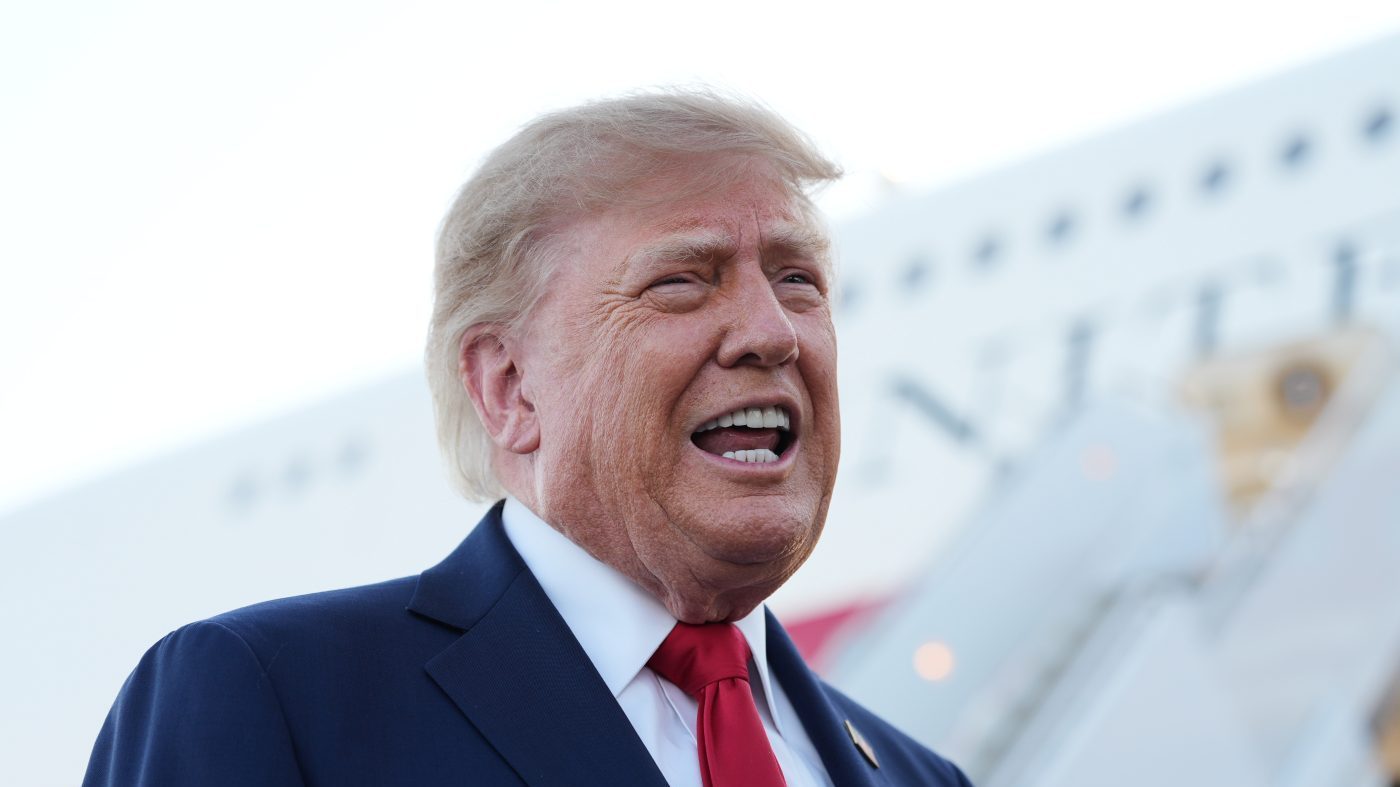
This year's observance arrives amid ongoing debate over the cost of federal holidays. Former President Donald Trump, in a statement last June, argued that the United States is losing money to "too many non-working holidays in America." His comments reignited a political discussion about balancing historical commemoration with economic productivity, a tension that has followed Juneteenth since it became a federal holiday.
The holiday's origins trace back to June 19, 1865, when Major General Gordon Granger read General Order No. 3 in Galveston, announcing that all slaves were free. That day came more than two years after President Abraham Lincoln signed the Emancipation Proclamation, which had been largely unenforceable in Confederate territory until the end of the Civil War. Juneteenth has long been celebrated in African American communities, but its elevation to a national holiday was a landmark moment for many advocates.
In recent years, Juneteenth has also intersected with broader political and international developments. For example, the Naval Blockade of Iran Remains Active Ahead of Friday Ceasefire Signing, a separate story that highlights how global tensions can affect holiday logistics. Meanwhile, in a more domestic but equally sensitive context, Epstein Survivor-Turned-Recruiter Names Three Abusers in Closed House Testimony underscores the ongoing reckoning with historical injustices that Juneteenth itself represents.
For those impacted by the closures, planning ahead is essential. Federal offices will resume normal operations on Monday, June 22. Many private employers, however, do not observe Juneteenth as a paid holiday, leaving workers to navigate a patchwork of state and corporate policies. As the nation reflects on the meaning of freedom, the practical realities of a federal holiday continue to shape the experience for millions of Americans.