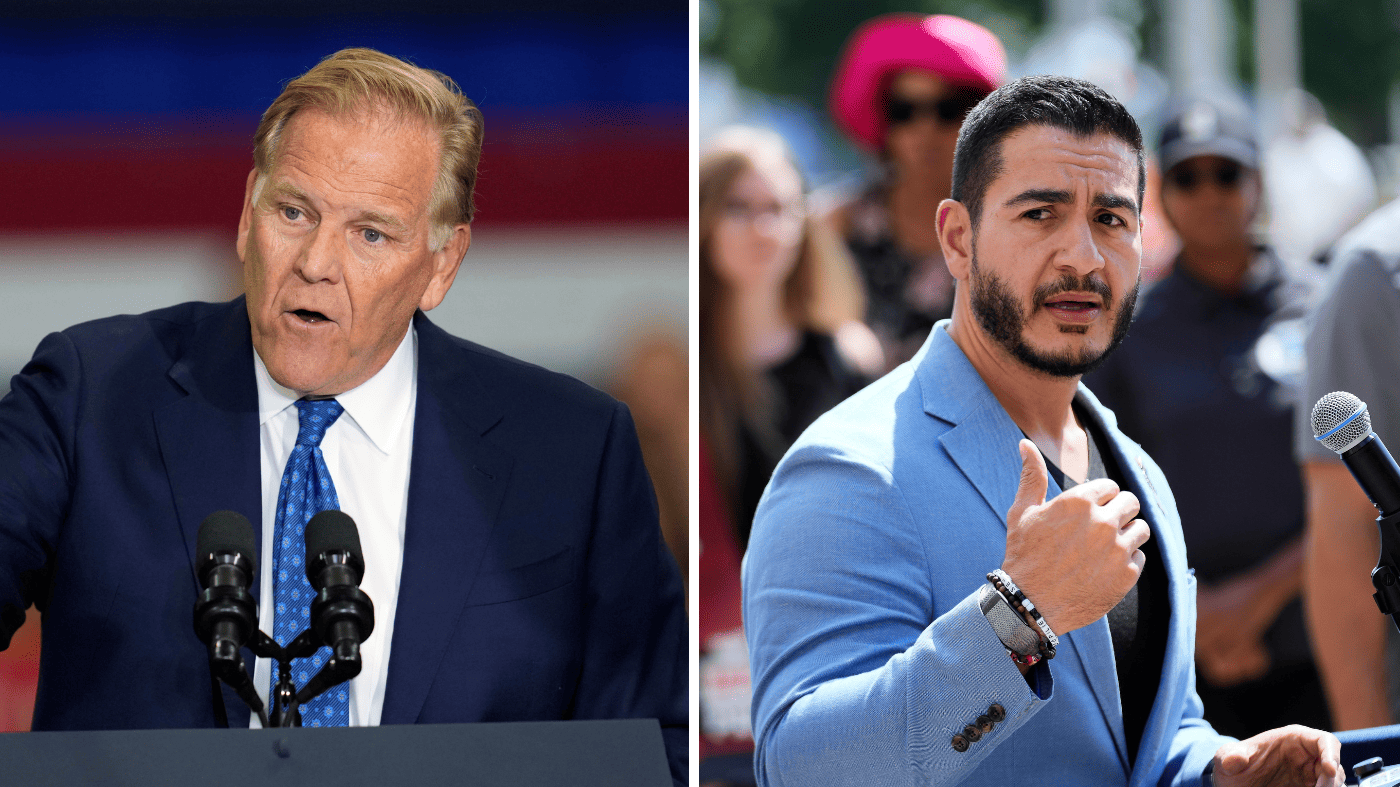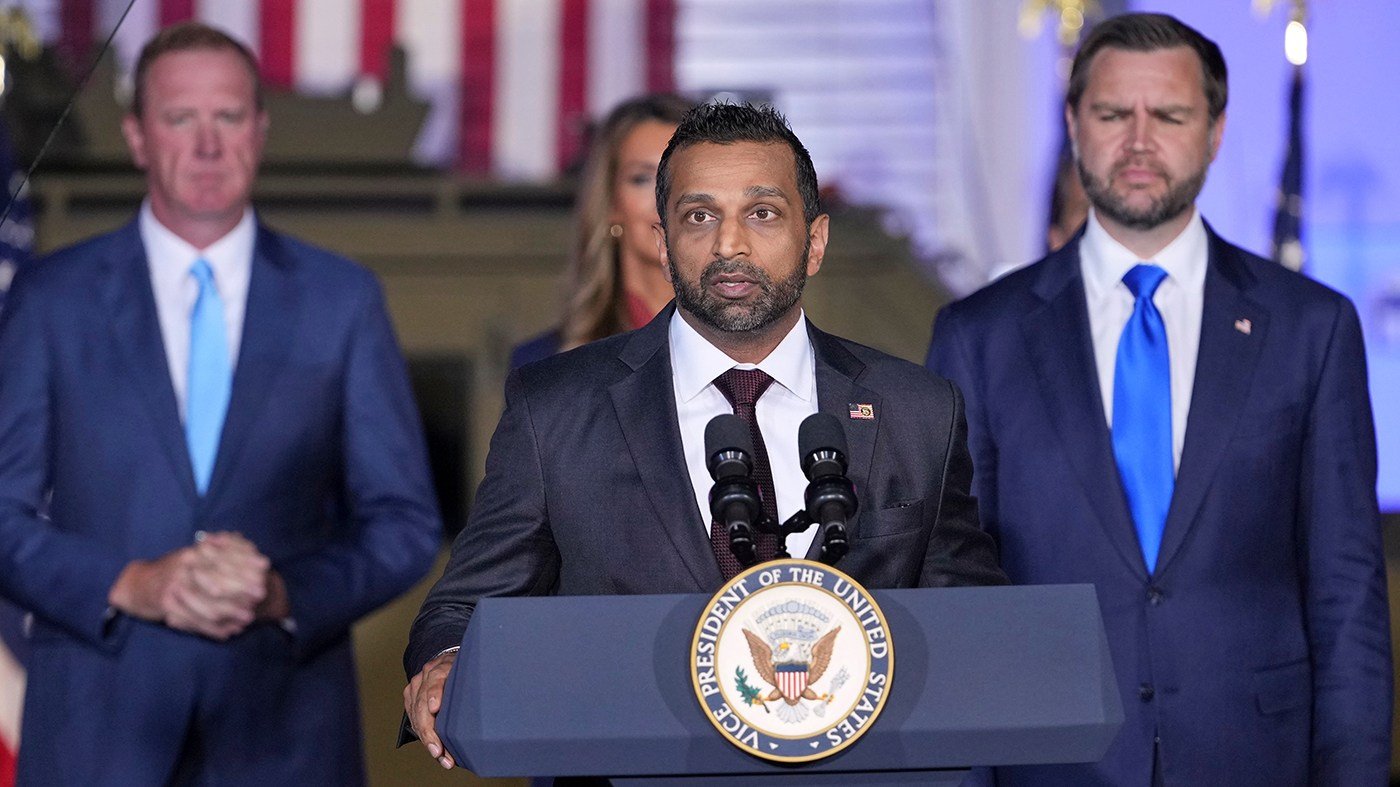
The FBI is facing fresh allegations that it violated the Hatch Act after releasing a video that labels prominent Democrats, including Michigan Senate candidate Abdul El-Sayed, as part of the "defund the police crowd." The video, posted Tuesday on the bureau's rapid response account on X, does not explicitly mention the upcoming election, but it credits FBI Director Kash Patel with arresting violent criminals and seizing fentanyl, and it features images of several Democratic figures.
Ethics experts and watchdog groups argue the video crosses a legal line by using official government channels to attack partisan candidates. Donald Sherman, president and CEO of Citizens for Responsibility and Ethics in Washington (CREW), wrote on X that while the video doesn't tell viewers how to vote, its message that the candidates' policies "failed" and left "Americans exposed" amounts to advocacy against their election, which is prohibited under the Hatch Act.
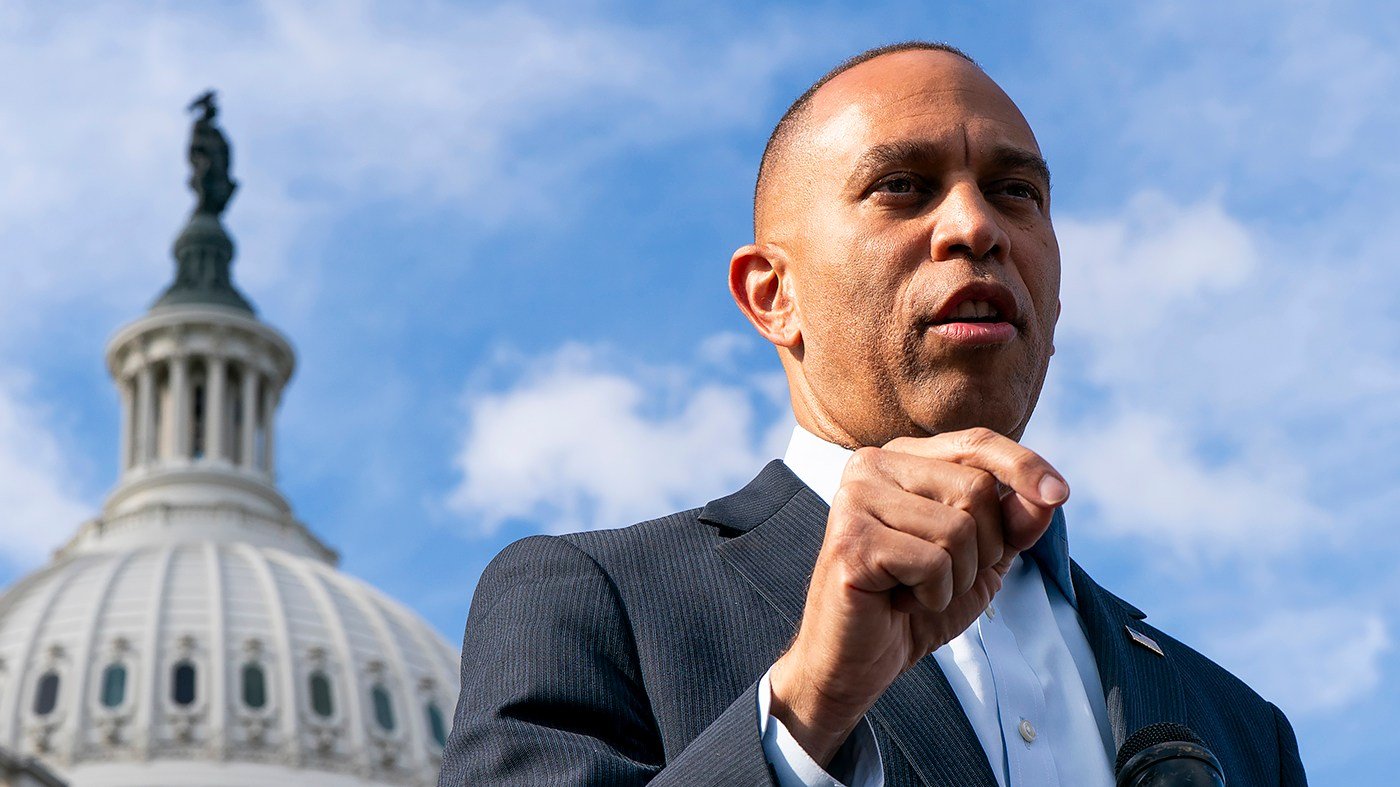
Sherman specifically pointed to the video's identification of El-Sayed as "Progressive Democrat, Senate Nominee," noting that El-Sayed is not a current government official and that his inclusion "has no other purpose than to advocate for the success or failure of a partisan candidate." The video, which runs over two minutes, also features former Vice President Kamala Harris, Reps. Alexandria Ocasio-Cortez (D-N.Y.) and Ilhan Omar (D-Minn.), and former Rep. Cori Bush (D-Mo.).
The accompanying tweet read: "The DEFUND THE POLICE crowd wanted America to 'reimagine safety.' Translation: Let criminals run wild while cops take a backseat. They sold slogans. We delivered handcuffs. CRIMINALS FEAR RESULTS, NOT HASHTAGS." The video is set to the beat of Michael Jackson's "Smooth Criminal" and includes clips of Patel alongside Attorney General Todd Blanche.
Delaney Marsco, director of ethics at the Campaign Legal Center, said that while discussing "defund the police" isn't inherently problematic, the video's use of partisan language and specific candidate references makes it a potential Hatch Act violation. "If you are referencing political parties in a gratuitous way, in an inflammatory way, if it's made close to an election, if it's framed as an attack on a political party, that's going to be political activity," she said.
The video follows a recent Fox News appearance by Patel in which he suggested how the public should vote in the midterms, saying they might want to support candidates who "back the blue" and fund law enforcement. The FBI did not respond to a request for comment.
CREW has filed a formal complaint with the Office of Special Counsel (OSC), which investigates Hatch Act violations. The complaint argues that the video's explicit identification of El-Sayed as a Senate nominee "is a clear invocation of the upcoming election" and that his inclusion "appears to have no other purpose than to advocate for the success or failure of a political candidate."
El-Sayed's campaign did not respond to a request for comment. His campaign platform does not advocate for defunding the police, but it does call for abolishing ICE. In a recent interview with Politico, El-Sayed dismissed the "defund the police" label as "a pretty dumb and unnuanced slogan," adding that he supports giving local police more funding to recruit quality candidates and favors reforms like cash bail changes and having mental health professionals respond to certain situations.
This incident is part of a broader pattern of politicized messaging from the Trump administration. The White House recently faced backlash over a government-funded ad featuring Trump, and the Democratic National Committee sued the administration for using Department of Homeland Security funds for that ad. The FBI video adds to concerns about the use of federal resources for partisan purposes, with experts warning that such actions erode public trust in law enforcement and government institutions.