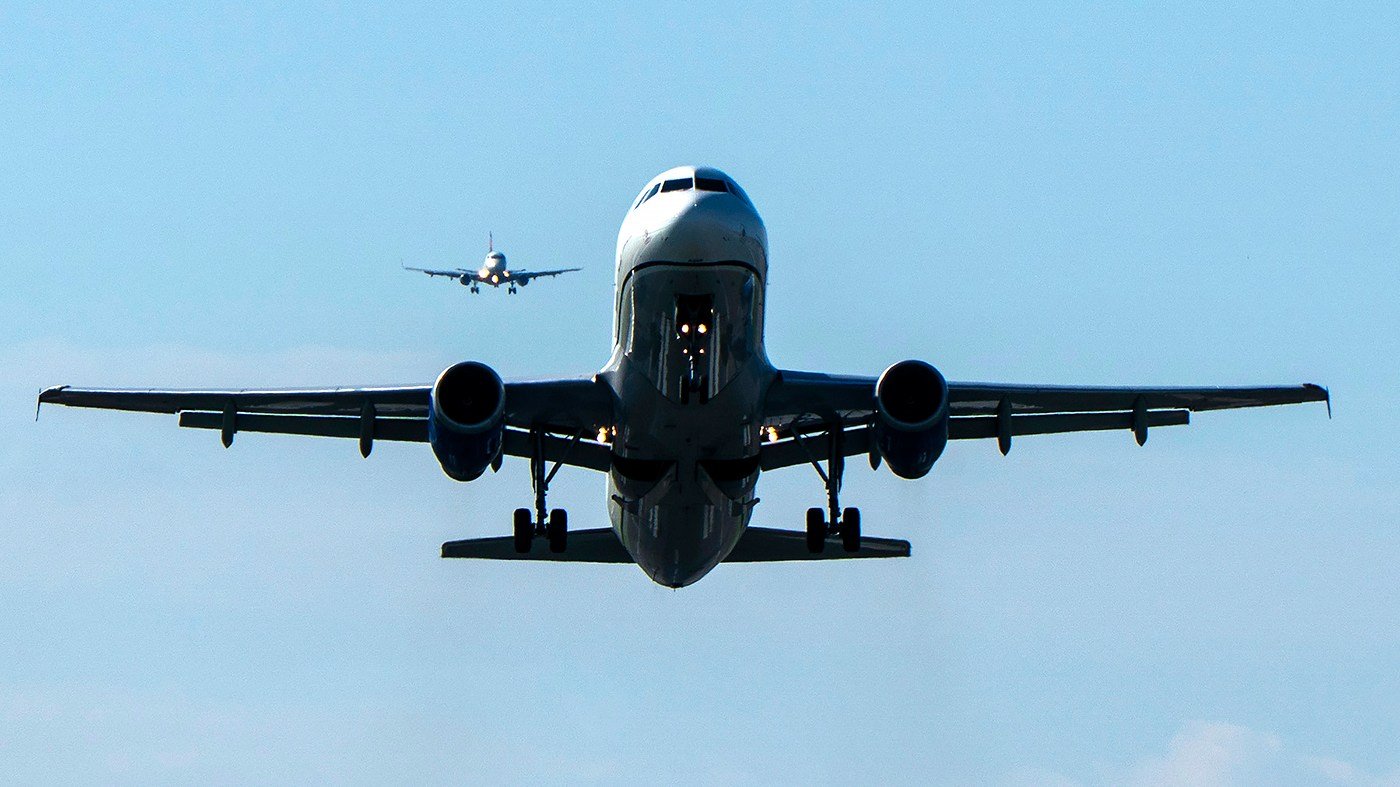
The fallout from Friday's unprecedented Federal Aviation Administration (FAA) ground stop continues to ripple across the nation's airports, with new security incidents and a runway collision adding to the chaos. The disruptions have renewed scrutiny on the agency's aging infrastructure and operational readiness.
Miami Tarmac Collision
At Miami International Airport, a Saturday evening collision between an arriving and a departing aircraft forced a temporary halt to some operations. The incident occurred at 9:15 p.m. EST at the intersection of two taxiways, according to an airport spokesperson. Two individuals were treated at the scene by Miami-Dade Fire Rescue for minor injuries but did not require hospital transport. Copa Airlines, one of the carriers involved, confirmed the collision involved a cargo aircraft and the left wing tip of its Boeing 737-800NG while both were taxiing. The airline stated that other flights were rerouted to keep airport operations moving.
Security Breaches in Denver and Dallas
Compounding the travel turmoil, a security breach at Denver International Airport on Saturday evening led to a temporary halt in boarding. NewsNation correspondent Nancy Loo, who was at the airport, reported that officials announced an "operational pause" and ordered all gate agents to stop boarding. "An audible gasp went through the terminal because everyone was like, 'No.' That, on top of everything that's going on," Loo told "NewsNation Prime." Denver police arrested a man near a security area for allegedly attempting to breach security. In a separate incident, Dallas Love Field faced a security scare involving a commercial aircraft, though police later determined the threat was unfounded.
Fallout from Friday's Ground Stop
The new incidents exacerbate the already massive disruption caused by Friday's nationwide ground stop, which stemmed from a communication failure affecting all Air Route Traffic Control Centers. Transportation Secretary Sean Duffy announced the ground stop on X, stating that FAA technicians were investigating the issue. By late Saturday morning, FlightAware reported nearly 4,000 delays and over 4,300 cancellations for flights within, into, or out of the U.S. Although systems came back online, residual delays continued Sunday at major hubs.
Political and Policy Implications
The cascading failures have intensified political pressure on the FAA and the Department of Transportation. Secretary Duffy has faced questions about the agency's preparedness, and lawmakers are demanding accountability. Some, like House Speaker Johnson, are resisting an immediate probe but backing a $50 billion modernization push for the air traffic system. Duffy has echoed that call, arguing that the aging infrastructure is long overdue for an overhaul. Meanwhile, the FAA's AI vendor has denied any role in the outage, with Duffy attributing the failure to router overload. The incident has also raised concerns about the broader implications for air travel reliability and the need for key takeaways from the disruption.
Recovery and Outlook
As airlines work to clear backlogs, travelers face continued uncertainty. The FAA has not yet provided a full timeline for normal operations, and the new security incidents could prolong disruptions. The situation underscores the fragility of the current air traffic control system and the urgent need for investment. For now, passengers are advised to check with airlines for updates and brace for possible delays as the system recovers from one of the most extensive ground stops in recent history.