Daniel Kimmage, who served as acting coordinator and deputy coordinator of the State Department's Global Engagement Center, is speaking out after being ousted from his post. In a detailed account, he describes the moment he learned that a senior administration official had publicly accused him of lying to Congress—an accusation he strongly denies.
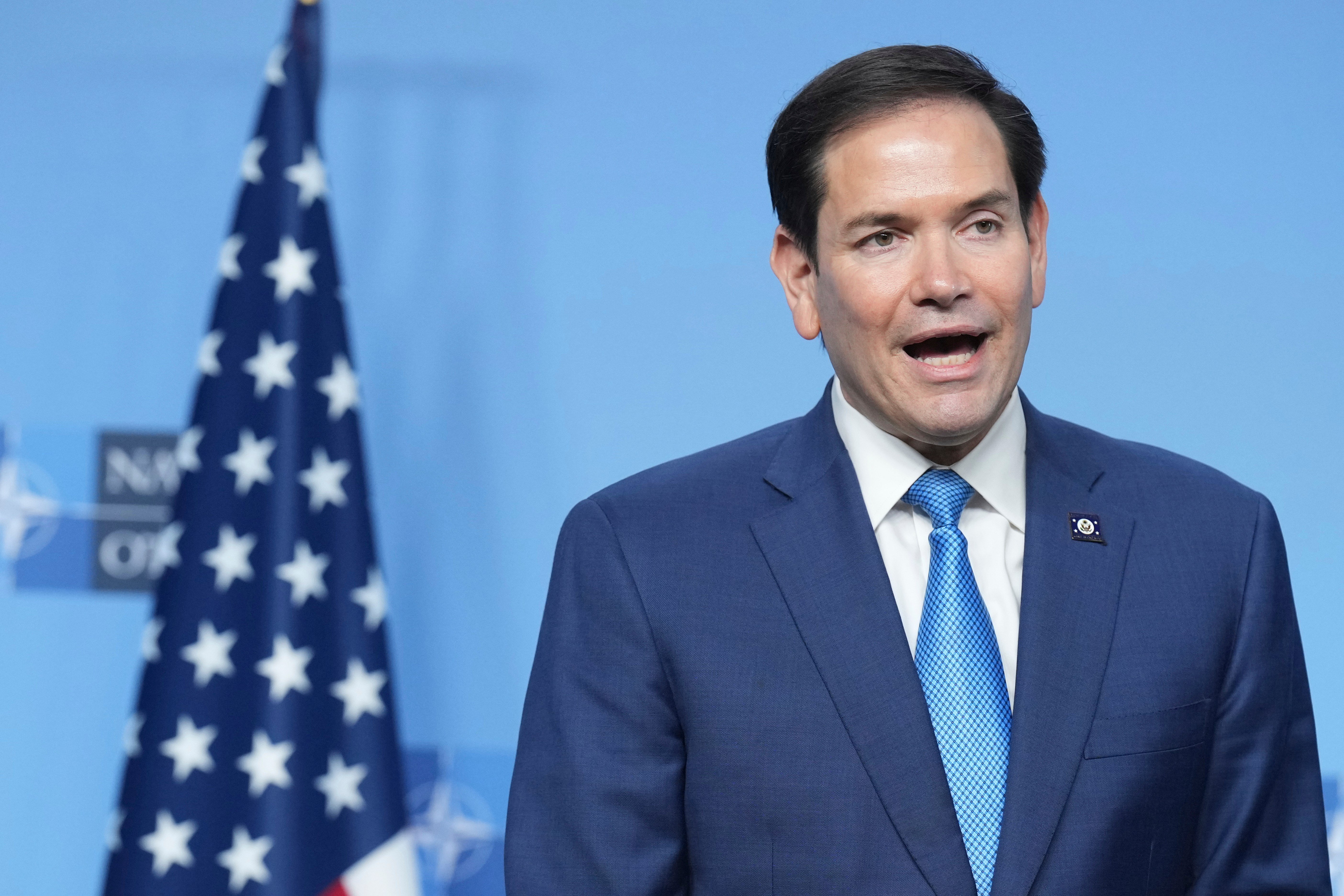
Kimmage's dismissal was part of a broader crackdown on federal employees who worked on countering foreign disinformation. The administration shuttered the Global Engagement Center in April 2025, with Secretary of State Marco Rubio alleging that the office had spent millions to "actively silence and censor the voices of Americans." Kimmage insists there is no evidence to support that claim, and notes that more than 30 civil servants lost their jobs as a result.
The purges extended beyond the State Department, hitting similar offices at the Department of Homeland Security, the FBI, and intelligence agencies. Kimmage argues that these actions have crippled U.S. efforts to combat Russian disinformation, Chinese propaganda, and Iranian cognitive warfare—just as global perceptions of the U.S. are declining and Beijing is expanding its influence through AI-driven messaging.
While the purge is not solely responsible for these shifts, Kimmage says it has been an undeniable factor. He points to the rise of AI-generated content, such as Iran's use of Lego videos to shape narratives, as evidence that adversaries are filling the vacuum left by the dismantled programs.
Kimmage draws a distinction between legitimate personnel decisions and what he calls "purges"—attempts to remove perceived political threats from within government. He acknowledges that not every decision by the administration qualifies as a purge, but argues that terminations justified by baseless conspiracy theories, like the so-called "censorship-industrial complex," clearly do.
Looking ahead, Kimmage calls for transparency and a careful accounting of the personnel actions and structural changes. He stresses the importance of assigning responsibility appropriately, noting that low-level HR employees who processed terminations should not be blamed, but senior executives who signed off on decisions made on false pretenses should be held accountable.
He also warns against a cycle of retaliation, urging that any future reforms avoid punishing career officials who cooperated with political appointees. "It will not be possible to make everyone whole," he writes, acknowledging the complexity of reversing the damage.
Kimmage maintains that he and his colleagues never lied to Congress and did not censor American citizens. Their mission was to expose foreign propaganda, disrupt jihadist recruitment, and counter adversarial narratives. He argues that the country is less safe and less free as a result of the administration's actions.
He concludes with a plea for bipartisanship, recalling that the Global Engagement Center was created in 2016 with bipartisan support. He hopes that as political dynamics shift, a rigorous effort to expose the falsehoods behind the purges can help repair the damage and prevent future abuses.