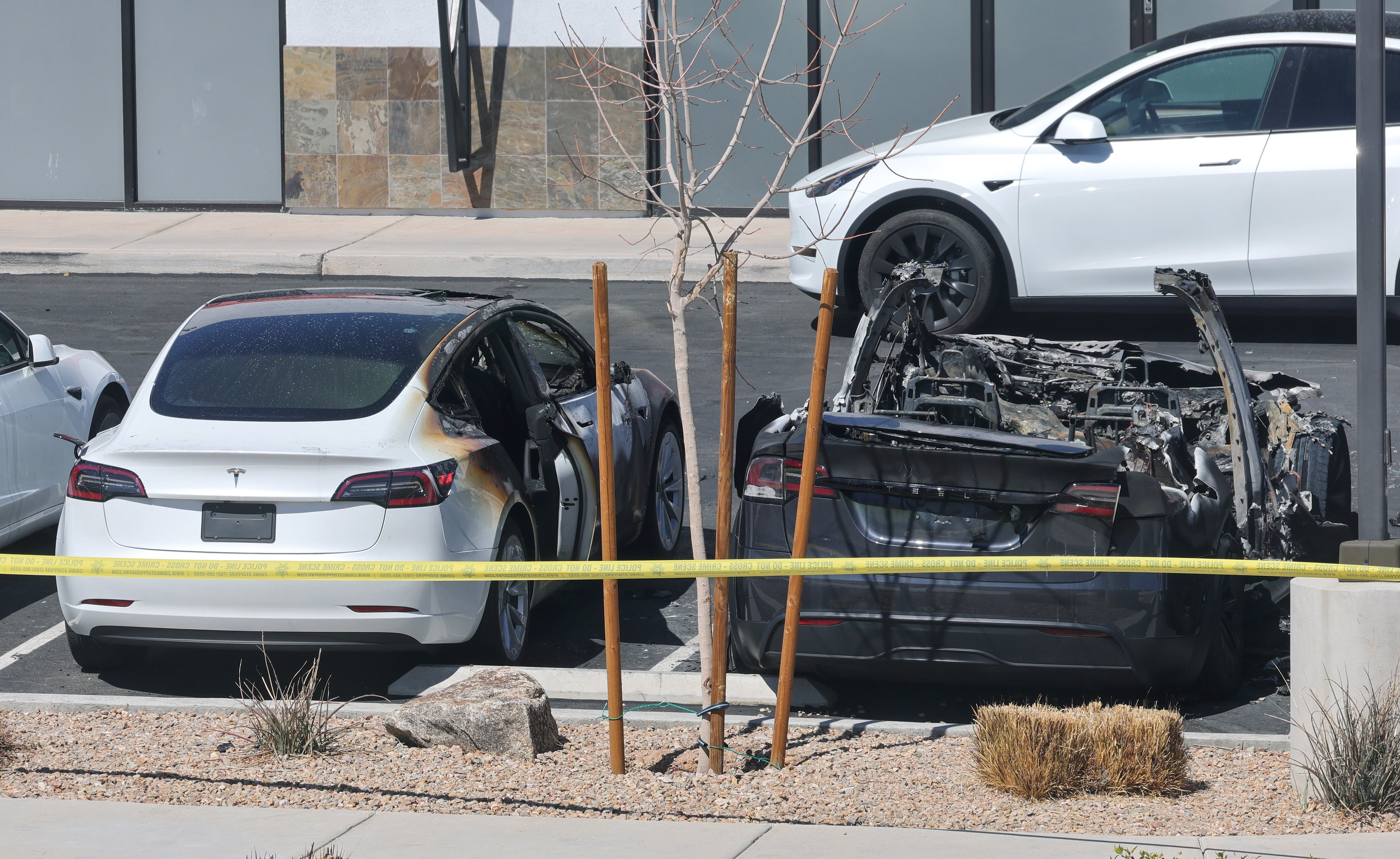
Supporters of electric vehicles often tout their environmental benefits, but a growing number of safety concerns are challenging that narrative. Recent reports highlight that EVs can catch fire even when parked and turned off, leading to widespread warnings and recalls. This has intensified political scrutiny of EV mandates and raised questions about the true costs of the green transition.
Safety Recalls and Fire Risks
The Washington Post recently reported that millions of vehicle owners have been advised to park outside due to fire risks, a problem that extends beyond EVs but is particularly acute for them. The subheadline noted that "modern vehicles don't need to be moving — or even turned on — to catch fire," underscoring the severity of the issue. Critics argue that this fire hazard, along with the toxic and hazardous nature of EV batteries when disposed of, undermines the environmental case for EVs.
Battery Weight and Environmental Costs
EV batteries are not only flammable but also extremely heavy, ranging from 600 to 3,000 pounds. This weight contributes to increased tire wear and road damage. Moreover, the production of EVs often relies on fossil fuels, and much of the battery supply chain is dominated by China, with upwards of 75% of components sourced from there. This dependency raises national security concerns, as forcing a rapid transition to EVs could cede economic and geopolitical leverage to Beijing.
Political Backlash and 'Kill Switch' Controversy
The Biden administration's efforts to tighten emissions standards and promote EVs have sparked political opposition. Critics point to proposed regulations that would require vehicles to monitor drivers and potentially shut down if they are deemed impaired. Republican figures like Rep. Thomas Massie and Gov. Ron DeSantis have decried this as a "kill switch," drawing comparisons to Orwellian control. They question who would control such a mechanism and worry about potential government overreach, echoing concerns from the COVID-19 pandemic.
The Case for Internal Combustion Engines
Many conservatives argue that the internal combustion engine remains a reliable and proven technology, and that the rush to EVs is driven more by ideology than practical benefits. They point to the higher costs, fire risks, and environmental trade-offs as reasons to pause or reconsider mandates. As the debate intensifies, the future of transportation policy hangs in the balance, with implications for consumers, national security, and the environment.
Related concerns about energy policy and trade are also surfacing, as energy price promises face challenges amid rising costs. The push for EVs is part of a broader energy transition that has sparked political divisions and debates over government intervention. As the 2024 election approaches, these issues are likely to remain central to the political discourse.