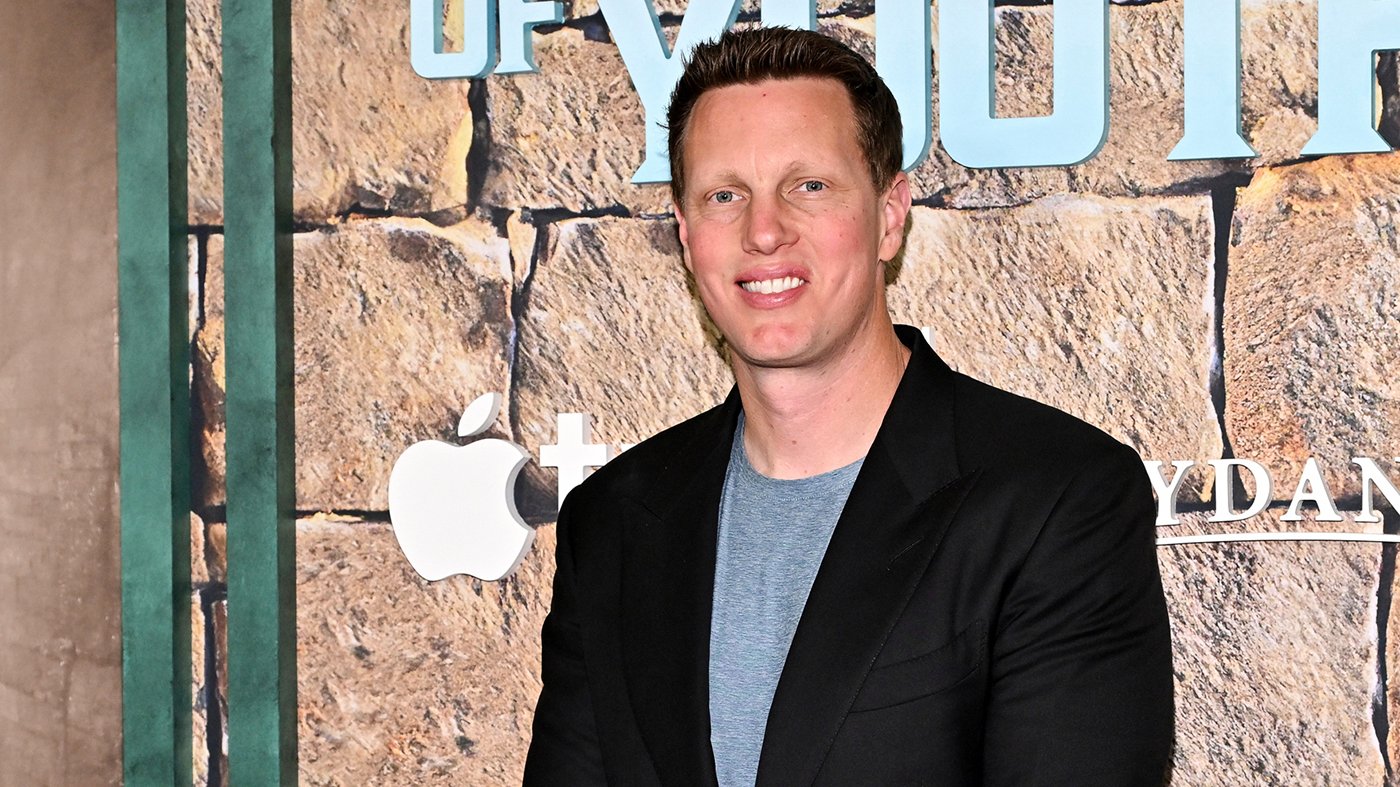
Media executive David Ellison is publicly defending Paramount's proposed acquisition of Warner Bros. Discovery and pushing back against allegations that he would inject political bias into the combined company's news operations, including CNN.
In an op-ed published Tuesday in the New York Times, Ellison wrote that he "shouldn't put a finger on the scale, especially on matters involving his own company." The statement comes as a group of nearly a dozen state attorneys general has sued to block the merger on antitrust grounds, and as critics question whether Ellison would use CNN to advance a partisan agenda.
Ellison acknowledged that he initially stayed silent when the legal challenge was filed earlier this summer, but said he "quickly learned such restraint has costs. While I was silent, others were happy to write my story for me. No more." He argued that the lawsuit is not fundamentally about market share, but about fears over news coverage. "I believe a plainer worry sits beneath the briefs and the news releases: the news," he wrote. "The issue is whether I can be trusted as a steward of Warner's CNN. There has been speculation about my politics, my loyalties, my intentions."
To counter those concerns, Ellison revealed that he has "regularly" voted for candidates from both major parties and holds a mix of views that "would be called conservative and others that would be called liberal, just like most Americans." He insisted that he does not intend to direct editorial coverage at the properties he controls. "I do not aspire to lead these companies to bend their newsrooms to my views," he stated.
The op-ed also framed the merger as a necessary response to the competitive threat posed by tech giants such as Netflix and Amazon. Ellison argued that "Hollywood's story can have a happy ending only when we connect with our audience." He emphasized that audiences ultimately decide the fate of movies and news organizations. "It's the audience — the American people — who have the final say in whether a movie succeeds or fails, whether a news organization thrives or withers and therefore whether our industry succeeds or fails," he wrote. "I want to build a company with the strength and resources to deliver for those audiences who turn to us, for the storytellers who rely on us and for the country that dreamed this all up."
The merger has drawn scrutiny not only from state attorneys general but also from international regulators, with some UK actors and cultural figures warning about its potential impact. The deal is currently on hold amid the antitrust challenge, and Ellison's op-ed appears aimed at swaying public opinion and reassuring lawmakers that the combined entity would maintain editorial independence.
Political observers note that media companies are increasingly facing legal and political pressure over perceived bias, with some outlets mounting legal defenses against lawsuits from political figures. Ellison's pledge to keep newsrooms independent may be a strategic attempt to preempt further criticism, but skeptics remain unconvinced.
The future of the merger now rests in the courts, but Ellison's public relations offensive signals that he is prepared to fight both legally and rhetorically to see the deal through.