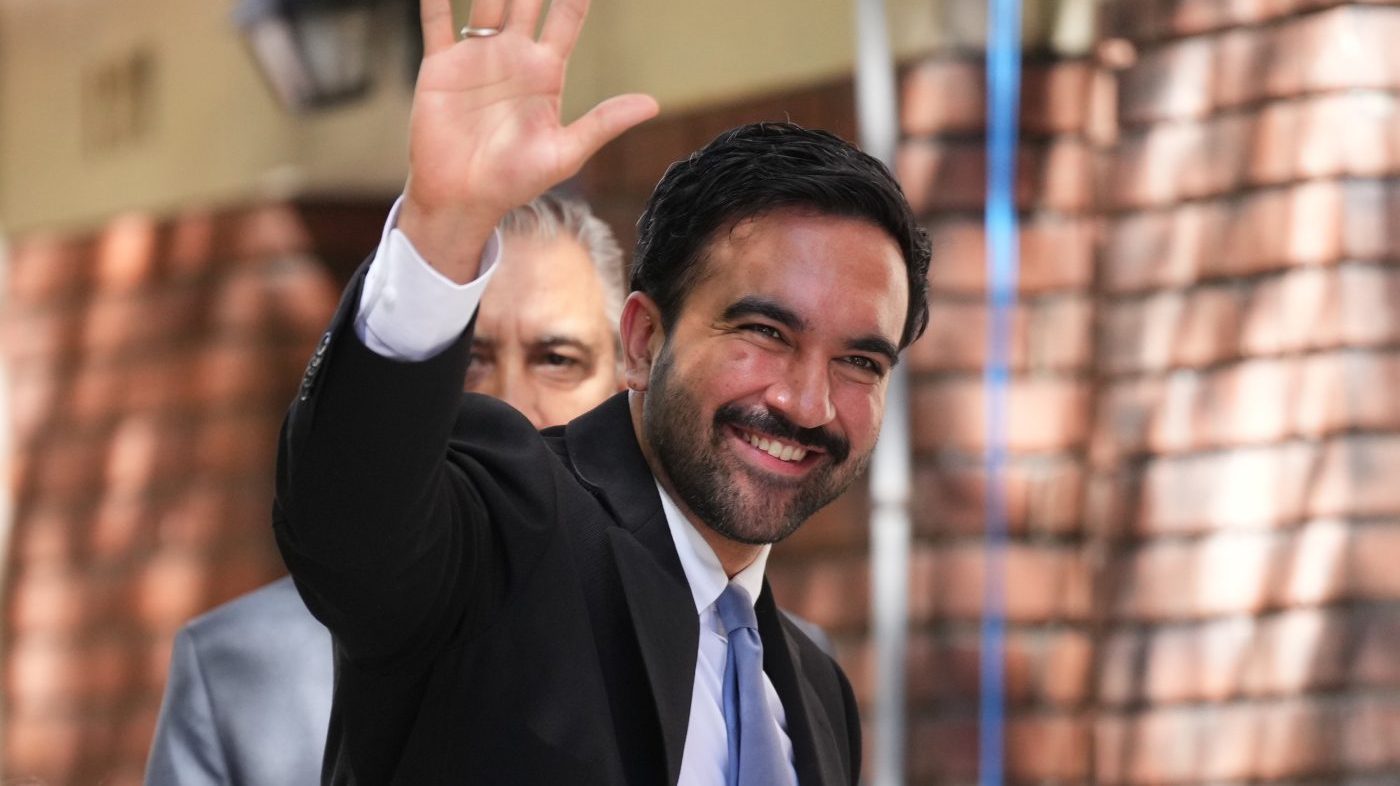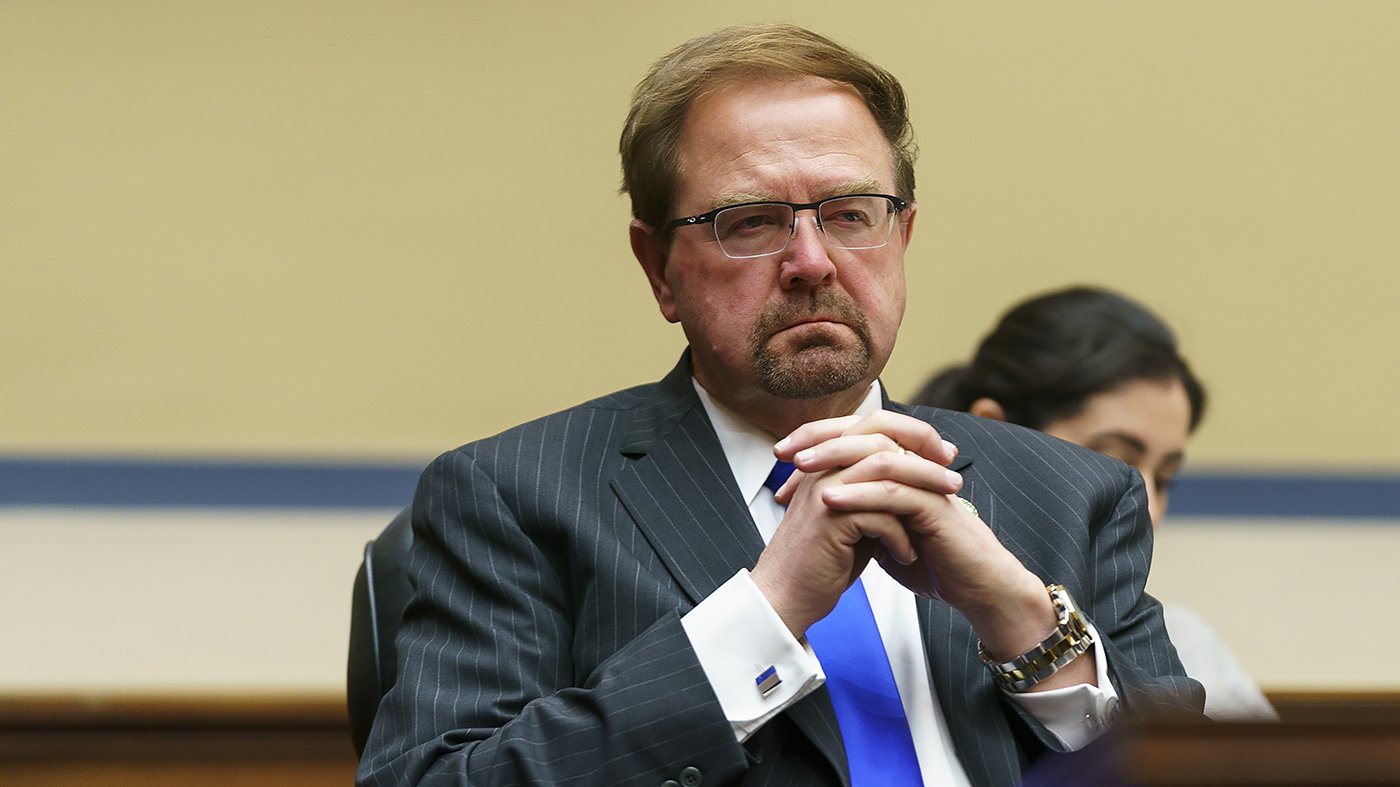
Paul Shumaker, the chief spokesman for Rep. Chuck Edwards (R-N.C.), sharply criticized the House Ethics Committee's recommendation to censure the congressman, arguing the process was tainted by political considerations rather than a fair review of the facts. Speaking on PBS's "State Lines," Shumaker questioned the legitimacy of the panel's findings, which were released Monday and led Edwards to abruptly end his reelection campaign.
Shumaker emphasized that no formal complaint was ever filed against Edwards, noting that the committee instead relied on "anonymous news sources and news stories" to initiate its investigation. "There was never a forward complaint lodged against Congressman Edwards. It was taken off. The committee chose to do the work based upon anonymous news sources and news stories that had been generated," he said.
The Ethics Committee's report accused Edwards of violating the "spirit" of House rules against sexual harassment and unwanted advances, citing his conduct with "two young staffers, repeatedly over a sustained period, was beyond inappropriate." The panel recommended that the full House formally censure Edwards, a rare and severe rebuke.
Shumaker disputed the committee's characterization, asserting that Edwards's legal team was not given sufficient time to respond to the allegations. "The committee gave less than an adequate amount of time," he said, adding that the process was "driven totally by politics, not driven by due process."
Edwards's attorney did submit a formal response over the weekend, arguing that the censure recommendation was based on "vague standards requiring credible behavior and adherence to the spirit of the Rules of the House" rather than any specific violation of sexual misconduct rules. The lawyer's statement suggested the committee was applying subjective criteria rather than clear, enforceable standards.
Shumaker also revealed that Republican leadership had asked Edwards to step down by Tuesday, following the allegations. Edwards announced early Wednesday on social platform X that he would withdraw from his reelection bid but would complete his current term in the House. "After much prayer and reflection, I've decided to withdraw from my re-election campaign," he wrote.
North Carolina Republicans have yet to name a replacement candidate for the 11th Congressional District, which is considered a safe Republican seat. The primary election has already occurred, and party officials are now tasked with selecting a nominee to appear on the November ballot.
The controversy has drawn attention to the broader issue of congressional ethics enforcement, with critics arguing that the committee's reliance on anonymous sources could undermine confidence in its proceedings. Supporters of the committee's action, however, insist that the evidence warranted serious consequences.
As Edwards prepares to serve out the remainder of his term, the fallout from the ethics report continues to reverberate in North Carolina political circles. The congressman's decision to retire, coupled with the committee's findings, has opened a competitive race to succeed him, with several candidates already expressing interest in the GOP nomination.
In related developments, the House Ethics Committee's handling of this case has drawn comparisons to other recent investigations, including the Senate's contempt proceedings against Dr. Anthony Fauci, where partisan divisions have also been on display. Meanwhile, lawmakers continue to grapple with how to balance accountability and due process in ethics cases, a debate that is unlikely to be resolved soon.