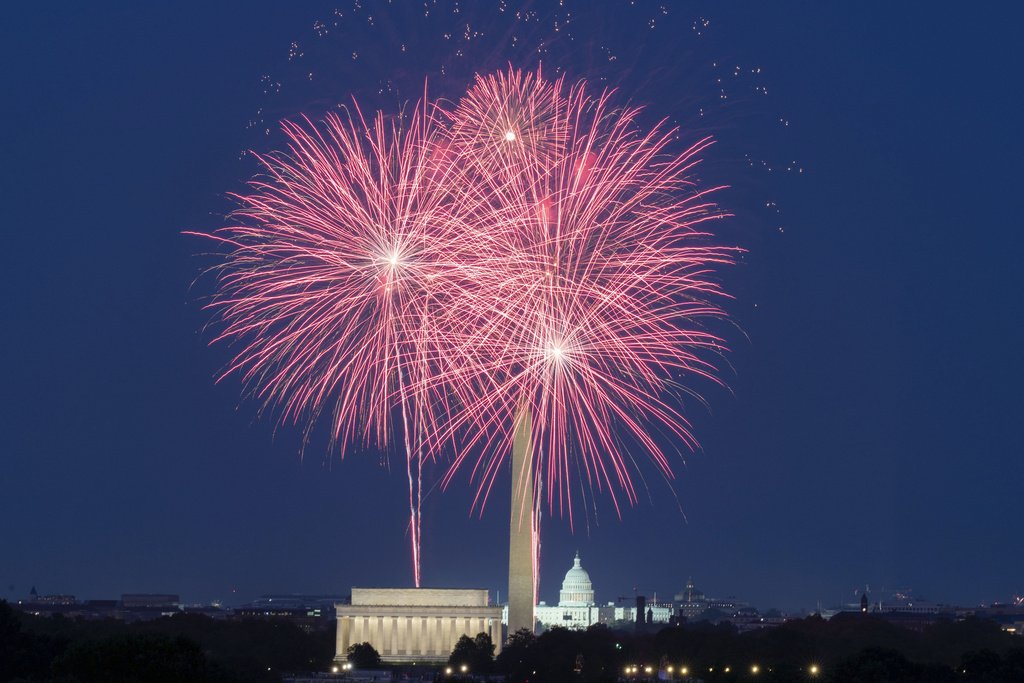
As the United States approaches the 250th anniversary of its independence, the nation finds itself grappling with the same tensions Frederick Douglass laid bare in 1852: the gap between the Declaration's promise of equality and the reality of racial injustice. While there is much to celebrate, the holiday also demands a clear-eyed reckoning with a history that includes slavery, systemic racism, and ongoing disparities.
In a 2025 executive order, former President Donald Trump pushed to whitewash American history, forbidding federal agencies from highlighting the nation's flaws. But such efforts, critics argue, prevent Americans from learning from the past and building a better future. The order, part of a broader conservative push, has drawn sharp rebukes from historians and civil rights advocates.
Douglass' speech to the Rochester Ladies' Anti-Slavery Society remains one of the most powerful indictments of American hypocrisy. “This Fourth July is yours, not mine,” he declared. “You may rejoice, I must mourn… What, to the American slave, is your 4th of July? I answer: a day that reveals to him, more than all other days in the year, the gross injustice and cruelty to which he is the constant victim.” He called the celebration “a sham” and “a thin veil to cover up crimes which would disgrace a nation of savages.”
Today, the statistics underscore that the legacy of that injustice endures. In 2024, the median household income for Black Americans was $56,020, compared to $92,530 for whites. The Black poverty rate stood at 18 percent—more than double the white rate of 8 percent. And a March study found Black people are three times more likely than whites to be fatally shot by police.
Political headwinds have made the path to equality even steeper. The Supreme Court, in recent years, ended race-conscious affirmative action in higher education and weakened the Voting Rights Act of 1965, which had opened the ballot box to millions of Black Southerners. Trump, meanwhile, has turned the GOP into what many call the anti-Black party, issuing executive orders that dismantle diversity, equity, and inclusion programs, slashing funding for social safety nets, and supporting gerrymandered districts that dilute Black voting power.
Yet despite these setbacks, there are reasons for cautious optimism. African Americans have reached the highest echelons of power, including the presidency and vice presidency. The battle for racial justice continues through grassroots organizing, legal challenges, and political engagement. As one commentator noted, “Black people and our allies will ultimately defeat efforts to reverse our progress, and will transform the beautiful rhetoric in the Declaration of Independence about equality into an even more beautiful and equitable reality.”
The Fourth of July remains a day to honor not just the past but the ongoing struggle to live up to the nation's founding ideals. As Douglass knew, the work of making America truly just is never finished. The holiday, for many, is a reminder of both the distance traveled and the road ahead.
Meanwhile, as millions prepare for celebrations, a record-breaking heat dome is expected to scorch the Eastern US, adding a literal layer of pressure to the holiday weekend. And as politicians debate the nation's direction, a new analysis suggests some are exploiting health scares to push political agendas—a dynamic that echoes the very hypocrisy Douglass condemned.