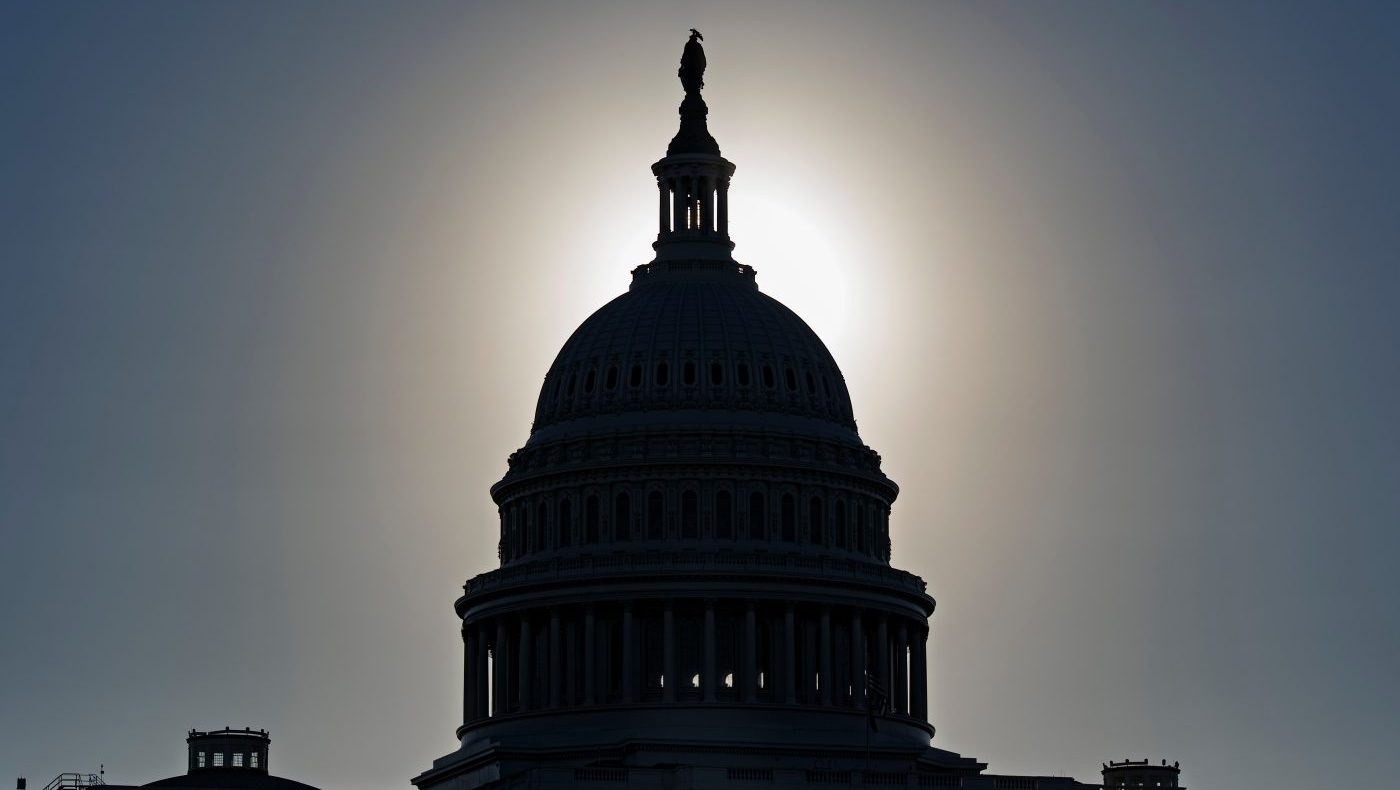
A massive heat dome is poised to smother much of the eastern United States this Fourth of July weekend, threatening the health of millions as they mark the nation's 250th birthday. Meteorologists warn that the weather pattern, which traps hot air under a high-pressure system, will push temperatures into dangerous territory from the East Coast to the Midwest, affecting over two dozen states, according to AccuWeather.
What Is a Heat Dome?
The National Integrated Heat Health Information System defines a heat dome as a mass of exceptionally hot air that forms when a high-pressure system stalls over an area, preventing heat from escaping. This phenomenon can lead to prolonged, extreme heat events. A notable example struck the Pacific Northwest in 2021, causing more than 1,000 heat-related emergency room visits. Portland, Oregon, hit 116 degrees—42 degrees above its average June maximum, according to the Centers for Disease Control and Prevention.
This year's heat dome is expected to bring similar risks. Cities along the Eastern Seaboard, including Washington, D.C., New York, and Philadelphia, are forecast to reach 100 degrees, with high humidity pushing heat indices even higher. The National Weather Service has issued extreme heat warnings for the capital, with heat index values peaking at 112 degrees on Friday and 110 on Saturday. Washington's high is predicted to hit 103 degrees, with humidity hovering near 48 percent on Saturday morning before climbing to 70 percent overnight.
New York City and Philadelphia could also touch 100 degrees, while Newark, New Jersey, is likely to exceed that mark. Boston may see a high near 97 degrees, but heat indices could surpass 100 across New England through the weekend, AccuWeather reports. Relief is expected to arrive on Sunday as a jet stream pushes the heat dome westward toward the Plains, easing conditions for New England and the interior Northeast. The mid-Atlantic should see further relief by Monday and Tuesday.
Political and Public Health Implications
The extreme heat has already forced some eastern cities to scale back or cancel Fourth of July events, but Washington, D.C., is pressing ahead with its 250th anniversary celebration on the National Mall. President Trump is scheduled to speak there Saturday night, having pledged to deliver a lengthy address before the fireworks. The event underscores the tension between public health warnings and political spectacle, as a recent poll shows a majority of Americans now doubt anyone can achieve the American dream, a sentiment that may color the holiday mood.
AccuWeather advises those who venture outdoors to limit heat exposure and watch for symptoms like intense thirst, dizziness, nausea, and rapid heartbeat. Light-colored, loose-fitting clothing and scheduling activities for early morning or evening are recommended. The heat dome's dangers are compounded by broader economic strains—Gallup reports that 67% of Americans are financially hurt by surging gas prices amid the Iran conflict, which could affect travel and celebration plans.
The event also highlights political divides over climate and health policy. Critics argue that politicians exploit false health crises while Americans actually get healthier, but the reality of extreme weather events like this heat dome demands serious attention. As the nation celebrates, the heat serves as a stark reminder of the challenges ahead.